
 Business License
Inside Difei Button's Quality System: From First-Piece Approval to Batch Traceability
A button quality system is judged at the sewing line rather than in the sales office. By the time a carton reaches a garment factory, the questions that matter are whether the closures set cleanly, match the sealed sample and hold their pull figure through the wash. Difei Button (Guangzhou) Co Ltd builds its inspection work around that single moment.
The company was established in the early 2020s, with a core team that has spent more than a decade in the button industry. That experience shaped a workflow built on three checkpoints: material verification before production, first piece approval at the start of every batch, and traceability that connects a carton back to the run it came from. This article explains how each stage works and what a buyer can ask for at each one.
1. Why a Button Quality System Starts Before Production
Most closure defects are decided before the press runs. Material substitution, a colour that drifts between lots, an eyelet punched to the wrong inner diameter: these problems are created at the material stage and discovered at the garment stage, where correction costs the most.
Difei Button applies an incoming check against the process sheet before anything is released to the line. Item name, specification, colour, quantity and hole diameter are verified item by item rather than sampled, because a wrong component that reaches the press produces a whole batch of wrong closures. The check runs on every order regardless of size.
It costs a short delay at the start and removes the far longer delay that follows a rejected shipment. That trade explains why a button quality system built on verification tends to hold its delivery dates, while one built on inspection at the end rarely does.
2. First Piece Approval: The Gate Every Batch Passes
First piece approval means that no batch proceeds to bulk production before pieces from that specific run have been examined and accepted. At Difei Button, at least 3 pieces per style from each run go to the quality team before the batch is allowed to continue. The check covers five points.
| Check | Method | What it catches |
|---|---|---|
| Model consistency | Visual and gauge against the drawing | Wrong size, wrong post length |
| Attachment strength | Hand pull on the set piece | Under-flared post, weak closure |
| Appearance | Comparison with the sealed sample | Plating scratch, offset logo |
| Colour | Fixed light source against the master | Batch-to-batch colour drift |
| Function | Repeated open and close by hand | Socket and stud mismatch |
First piece approval works as a gate rather than a report. A batch that fails any of the five points stops until the cause is corrected and the corrected pieces pass the same checks again.
Buyers can ask for the first piece record with the shipment. Our team files those records against the batch number, so a question raised months later can still be answered from paper rather than from memory.
3. How a Button Inspection Standard Is Written and Applied
A button inspection standard holds up when it is measurable. Vague requirements such as good finish or strong closure cannot be applied consistently by two inspectors on two different shifts, and they cannot be argued from a document when a buyer raises a claim.
The standard used across the company's production lines defines each requirement with a method and an acceptance limit. The table below shows the shape of that document.
| Requirement | Method | Acceptance limit |
|---|---|---|
| Cap diameter | Digital caliper | Inside the drawing tolerance |
| Post flare | Visual and pull | Full flare, no cracking |
| Pull strength | Pull gauge | Order target, tested to 90 N on standard garment closures |
| Plating adhesion | Tape and rub test | No lifting of the coating |
| Needle contamination | Needle detector | Zero metal fragments |
| Plating colour | Fixed light against the master | Inside the agreed colour window |
Two habits keep that document alive in daily work. Every inspector follows the same written method, and every measurement is recorded rather than remembered. When a figure starts to trend, the record shows it before a customer does.
Difei Button (Guangzhou) also tests against the requirements of Oeko-Tex Standard 100, needle detection and a 90 N pull target where an order calls for it. Results are reported with the test method beside them, so a buyer can compare the figure with their own laboratory rather than accepting a number in isolation.
4. Incoming Material Control in a Button Quality System
Material control is where a button quality system either holds or leaks. Brass, stainless steel, zinc alloy and POM arrive in different forms, and each carries its own risk: an alloy outside specification, a plating chemistry that fails a nickel-free requirement, a pigment that shifts between lots.
Two practices address most of that risk. Materials are held against a specification rather than against a price, and each incoming lot is logged with its supplier, date and test status so it can be traced if a problem appears further down the line.
Nickel-free finishing sits in the same category. It is offered as a selectable specification rather than an afterthought, which means the finish is chosen at quotation stage when it can still be priced into the order instead of absorbed as a surprise.
5. Testing Behind a Button Quality System: Pull, Needle and Compliance
Testing is the part of the process buyers ask about most, and the part most often misunderstood. A single pull figure means little without the fabric, the setting force and the test method recorded beside it.
Pull strength sits at the centre of the schedule. Standard garment closures are tested to a 90 N target, while heavier bag and denim work uses a higher figure agreed per order. The result is reported with its method, because a laboratory running a different jaw speed will produce a different number from the same closure.
Not long ago a European buyer compared two suppliers using pull figures alone and found a gap of nearly 20 N between them. Re-testing both sets on identical fabric, with the same press and the same jaw speed, closed most of that gap within a single afternoon. What remained came down to the setting rather than the component, and it disappeared once the press force was matched. The exercise ended with a shared test method written into the order, which is what made the two figures comparable in the first place.
Needle detection runs as a separate control. Every garment accessory passes a needle detector before packing, and the machine is verified with a test card at the start and end of each shift. Metal contamination that reaches a cutting room arrives as a broken needle in a garment, which is the kind of claim no inspection report can repair afterwards.
Compliance testing follows the destination market. Oeko-Tex Standard 100 requirements, nickel release limits and heavy metal restrictions apply differently by region, so the specification is confirmed before production rather than after a failed test has already cost a shipment.
6. First Piece Approval Records and What They Capture
Records turn first piece approval from a habit into a system. Each record carries the style number, the batch number, the date, the measurements taken, the pull figure and the name of the inspector who signed it off.
| Field | Why it is recorded |
|---|---|
| Style and batch number | Links the record to a physical carton |
| Measurements | Shows whether a drift is one batch or a trend |
| Pull figure | Documents performance at the start of the run |
| Colour reference | Settles questions about shade later in the season |
| Inspector signature | Makes the check an accountable step |
Two conditions make those records useful. They are written at the time of inspection rather than reconstructed afterwards, and they are stored so that a batch number alone is enough to retrieve one.
The company keeps first piece approval records for the life of the order and beyond, which is the reason a query from an earlier season can usually be answered the same day it arrives.
7. Batch Traceability Within a Button Quality System
Batch traceability is the ability to follow a closure from the carton in front of a buyer back to the material lot and the run that produced it. In practice it means batch numbers on the packing list, matching records on file, and retained samples covering the same run.
Two habits close most of the gaps. Cartons are packed from a single batch rather than mixed across runs, and a retained sample from each batch is kept until the order is closed. That second habit matters because a comparison against the actual part is far more useful than a comparison against a photograph.
The structure also works in the buyer's favour. A factory that can answer a batch question quickly tends to keep its customers, which is a large part of why so much of Difei Button's export volume comes from buyers placing successive orders rather than one-off trials.
8. What Buyers Receive With a Button Inspection Standard in Place
The visible output of a button inspection standard is the shipment itself, and the invisible part is the paperwork behind it. The table below lists what travels with an order from Difei Button (Guangzhou) when the quality route is followed in full.
| Item | What it covers |
|---|---|
| First piece record | The run that actually shipped |
| Pull test figure and method | Performance with test conditions stated |
| Retained sample | A physical reference from the same batch |
| Packing list with batch numbers | The link between carton and record |
| Needle detection log | The control applied before packing |
These items cost very little to prepare and they shorten every conversation that follows a shipment. A query arriving 6 months later can be answered from the file, which is often the difference between a settled question and an open dispute.
For buyers assembling a new range, the practical advice is to ask for the first piece record and the retained sample on the first order. Both become routine afterwards, and both make every later order easier to verify.
9. Frequently Asked Questions
9.1 What does a button quality system actually control?
A button quality system controls three things: what enters production, what leaves the line, and what links the two together. Material verification decides that the correct alloy, colour and size are released to the press, and first piece approval stops a faulty run before it becomes a faulty shipment. Records and retained samples then connect a delivered carton back to its batch, which is what makes a later question answerable. A system missing any one of the three tends to fail at the point where it matters most, which is after the goods have shipped.
9.2 How does first piece approval work on a repeat order?
On a repeat order, first piece approval is run again rather than assumed from the previous shipment. A new batch of material, a fresh plating lot and a press that has been reset for a different item all create the chance of drift, so the same five checks are applied at the start of the run. The sealed sample from the original order becomes the reference, which is why keeping one on file matters. Buyers who order the same closure twice a year usually find the second shipment matches the first more closely than they expected.
9.3 Can a buyer set their own button inspection standard?
Yes, and it is often worth doing. A buyer can supply their own acceptance limits, their own pull target or a required test method, and those requirements replace the defaults once they are written into the order. The practical condition is measurability: a limit expressed as a number with a stated method can be applied by any inspector on any shift, while a requirement expressed as a description cannot. Send the standard with the inquiry rather than after the sample, so tooling and finishing can be chosen against it.
9.4 How long are inspection records kept?
Records from first piece approval are kept for the life of the order and beyond, so a batch number remains enough to retrieve the measurements, the pull figure and the inspector's signature months or years later. Retained samples follow the same logic and are held until the order is closed, which gives any later comparison a physical reference rather than a description. If your own button inspection standard requires records for a fixed period, state that period in the purchase order and the file will be held to it.
Recently Posted
-
Buttons for Denim and Jeanswear: Wear and Wash Performance
September 21, 2026A jeans button leads a harder life than any other closure on a garment. It is pulled with one hand while the fabric resists, it pa Read More
 -
Snap Button MOQ, Sampling and Lead Time: What Buyers Should Expect
September 21, 2026A snap button MOQ is the quantity a factory can run without losing money on setup, and it is the first figure most buyers ask for. Read More
 -
Plastic Snap Buttons vs Metal Snap Buttons: A Selection Framework
September 21, 2026A buyer comparing a plastic vs metal snap button is usually trying to settle one question: which closure keeps the garment working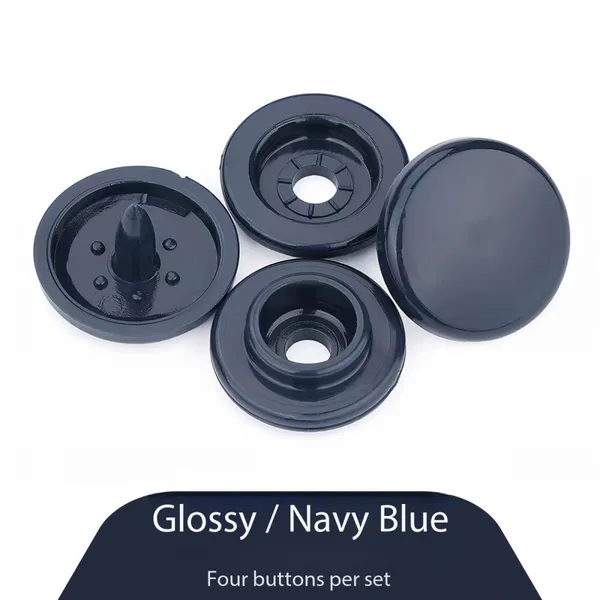 Read More
 -
Spring Snap Buttons Explained: How Metal Snap Fasteners Work
September 21, 2026A spring snap button is the closure behind the short, sharp click on a denim jacket, a work shirt placket or the flap of a canvas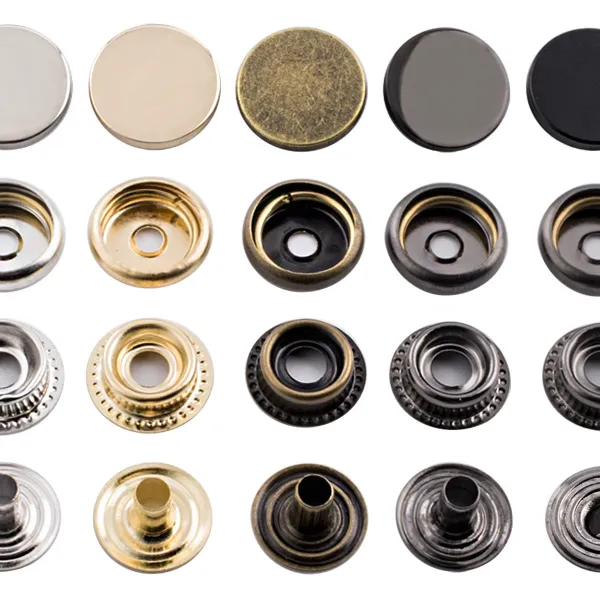 Read More

Contact Us
Recommended Products
-
 Clothing Accessories Lead Free Brass Metal Ring Prong Snap Button With 4 Parts for Infant Baby Clothes Baby BibsUS$ 0.01 - 0.03MOQ: 5000 Sets
 -
Brass Metal Stainless Steel Material Ring Prong Snap Button With 4 Parts Lead Free & Nickel Free for Infant Baby Clothes Baby Bibs Baby SuitsUS$ 0.01 - 0.03MOQ: 5000 Sets
-
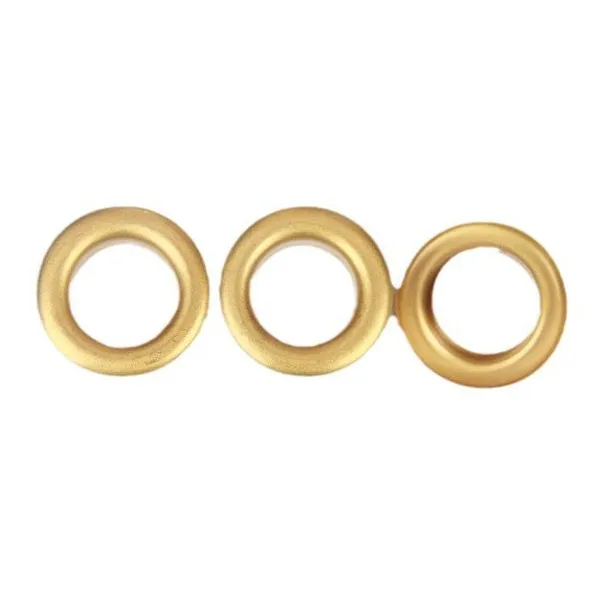
Metal Grommets Eyelets Gold Eyelet for Bag Shoes and Garment AccessoriesUS$ 0.01 - 0.03MOQ: 5000 Sets
-
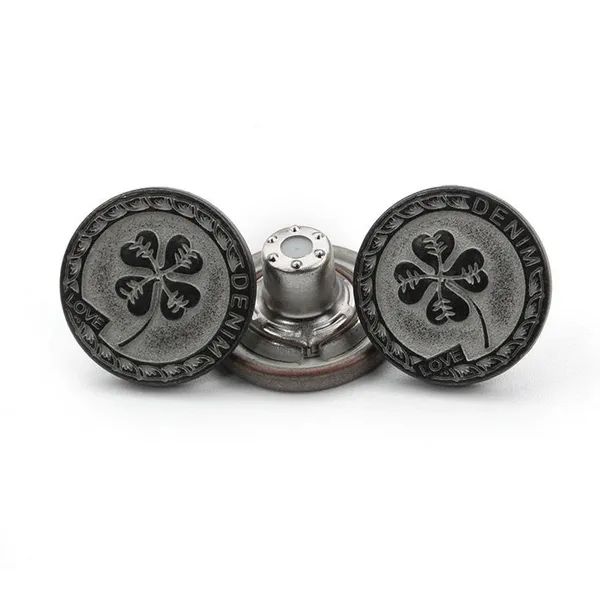
Cheap Price Custom Jeans Button Metal Custom Logo Metal Button for JeansUS$ 0.01 - 0.03MOQ: 5000 Sets
-
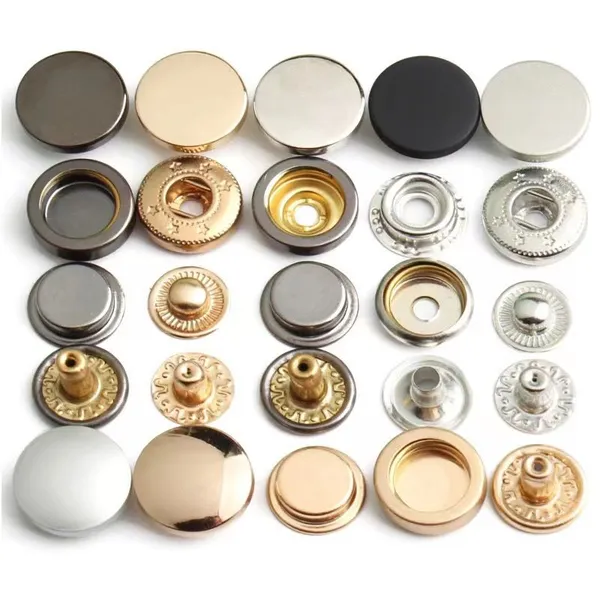
Factory Wholesale Hat Bag Clothing Press Snap Button Spring Snap Button Metal Snap ButtonsUS$ 0.03 - 0.06MOQ: 5000 Sets
-
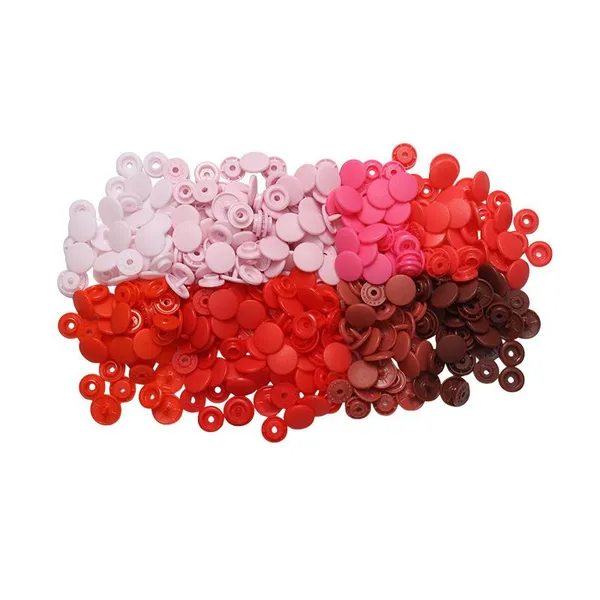
Wholesale Plastic Round Coloured Snaps Button Press Fasteners for Baby Bibs/ Baby GarmentsUS$ 0.01 - 0.03MOQ: 50000 Sets
-
Custom EngravedCopper I Brass Metal Jeans Button Denim Clothes Jacket for Jeans DenimUS$ 0.01 - 0.03MOQ: 5000 Sets
-
17mm Open Hole Shank Button With Aluminum Nail With Logo for Jeans Jacket PantsUS$ 0.01 - 0.03MOQ: 5000 Sets
-
Eco-friendly Custom Size Plastic Snaps Plastic Snap Button for Baby Clothes, Baby BibsUS$ 0.01 - 0.03MOQ: 50000 Sets
-
12mm 15mm 17mm 20mm Four Parts Metal Brass Fastener Press Snap Button for Clothes JacketUS$ 0.03 - 0.06MOQ: 5000 Sets
-
Custom Logo Personalized High Quality Metal Press Snap Fastener Snap Buttons for Clothing Garments JacketUS$ 0.03 - 0.06MOQ: 5000 Sets
-
Custom Printing Round Press Spring Four Part Snap Button for Clothing Leather 405#17mmUS$ 0.03 - 0.06MOQ: 5000 Sets
-
OEM Garment Accessories Custom Baby Snap Button Press Metal Prong Pearl Ring Snap ButtonUS$ 0.01 - 0.03MOQ: 5000 Sets
-
Factory Stock Buttons Stainless Steel or Brass Material Colors Pearl Snap Button Prong Pearl Snap Button for Shirts ClothingUS$ 0.01 - 0.03MOQ: 5000 Sets
-
Durable 9mm POM Four Part Plastic Snap Buttons Lead Nickel Free Safe Fasteners for Baby Bibs and Children ApparelNegotiableMOQ: 50000 Sets
-
Plastic Snap Fasteners 9mm POM Lead Nickel Free Hardware for Baby Bibs Children Apparel Sewing ProjectsNegotiableMOQ: 50000 Sets
-
Four Part Plastic Snap Buttons 9mm POM, Custom Color OEM ODM for Apparel and Bed SheetsNegotiableMOQ: 50000 Sets
-
Automatic Feeding Compatible Four Part Plastic Snap Buttons for High-speed AssemblyNegotiableMOQ: 50000 Sets
-
Resin Snap Buttons 9mm POM Eco Friendly Garment Closures for Bed Sheets Outerwear Infant TextilesNegotiableMOQ: 50000 Sets
-
Eco‑friendly POM Made Four Part Plastic Snap Buttons 9mm Garment Snaps for Infant Textile ManufacturingNegotiableMOQ: 50000 Sets