
 Business License
Blog Categories
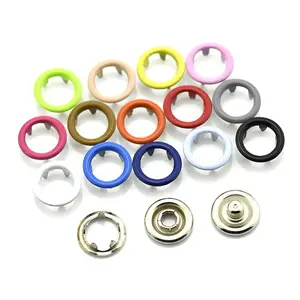
Nylon Zipper Production: Coil Winding, Dyeing and Stitch Attachment
Nylon zipper production begins with a spool of monofilament and ends with a finished chain that will be stitched into a bag or a garment. Three stages sit between those two points, and each one sets a property that a buyer will eventually notice. The winding sets the spiral, the dyeing sets the colour, and the stitch attachment decides how the coil behaves at the needle.
This article follows the chain through the three stages. It explains how a coil winding zipper is formed and why pitch matters, what the zipper dyeing process controls across a long run, and how the coil is attached to the tape. It closes with the checks that hold the three stages together on a production line.
1. Nylon Zipper Production from Filament to Tape
Nylon zipper production starts with a monofilament that is drawn from a polymer and wound onto a spool. The filament is the raw material for the coil, and its diameter sets the size of the chain. A common coil filament runs between 0.4 mm and 0.9 mm, and that figure maps to the size number of the finished part.
The filament is then wound into a spiral on a winding machine. The spiral is formed hot so it holds its shape when it cools, and the pitch of the spiral is set at this stage. A pitch of about 3.5 mm is typical for a standard coil.
The formed coil is then fed to a loom, where a warp knit stitches it to the tape. The loom attaches the spiral along one edge of the tape, and the tape itself is woven or knitted to a fixed width. At this point the chain is a single strip with a coil on one side, ready for the next stage.
A spool holds a set length of formed coil, and the length is recorded before the spool leaves the winding room. A common spool runs to 5,000 metres, which is enough for several hundred finished chains. The figure is kept so a short spool can be traced rather than assumed.
2. Coil Winding Zipper: Forming the Spiral
A coil winding zipper depends on a spiral that is even along its whole length. The winding machine draws the filament through a forming head, and the head sets both the diameter of the spiral and the pitch between the loops.
The pitch is the distance from one loop to the next, and it has to match the teeth on the other side. Where the pitch drifts, the two halves will not interlock cleanly, and the slider will work against a mismatch. That fault shows as a stiff chain rather than a broken one.
Heat is the second control. The filament is softened before it is formed so the spiral takes a set, and the temperature is held within a narrow band. A spiral formed too cool will spring back, while one formed too hot will lose the sharp edge that the slider needs.
3. The Zipper Dyeing Process and Colour Control
The zipper dyeing process turns a natural coil and tape into a finished colour, and it works from a physical standard rather than from a screen image. A colour is approved as a dyed sample under a fixed lamp, and that sample is filed with the lot number for the life of the programme.
Two routes are used, and the lot size decides which one. Solution dyeing colours the polymer before the filament is drawn, so the colour runs through the material and does not fade with abrasion. Bath dyeing colours the finished tape and coil in a bath, which suits a small lot without a long set-up.
Colour is then measured rather than judged by eye. A difference between two lots is read on a spectrophotometer and reported as a numeric value, which turns a colour question into a decision instead of an argument.
4. Nylon Zipper Production: Attaching the Stitch
The final stage of nylon zipper production attaches the coil to the tape with a knit or a stitched chain. The stitch has to hold the coil firmly while allowing it to flex, because the coil bends every time the chain is curved.
The stitch tension is the control at this stage. A tension that is set too tight will cut into the filament over time, and the coil will break at the knit under load. A tension that is set too loose lets the coil shift sideways, and the teeth will then miss each other at the slider.
The stitch density is the second setting. A denser stitch holds the coil more firmly but concentrates the stress, while a longer stitch gives more movement but a looser hold. A density between 8 and 12 stitches per centimetre is the usual working range for a coil tape.
The tape itself is prepared before the coil reaches it. The tape is woven to a fixed width of about 12 mm to 14 mm, and it is washed so it will not shrink when the finished chain is dyed. An unwashed tape will pull the seam after a hot wash.
5. Coil Winding Zipper Tension and Pitch
A coil winding zipper is judged on two figures that come straight off the winding machine. The pitch sets how the loops line up, and the tension sets whether the spiral stays true along the tape.
| Setting | Working range | Effect if wrong |
|---|---|---|
| Filament diameter | 0.4 mm to 0.9 mm | Wrong size number |
| Spiral pitch | About 3.5 mm | Halves will not interlock |
| Winding tension | Constant along the spool | Drift in loop spacing |
| Forming temperature | Narrow band, held | Spring-back or soft edge |
The tension has to be constant along the whole spool, because a spool that is wound tight at one end and loose at the other will produce a chain with a variable pitch. That variable pitch is hard to see on a loose coil, but it shows at the needle when the tape will not lie flat.
The two figures are checked at the start and the end of a spool. A pitch that drifts across a spool points at the forming head rather than at the filament, and the head is the part that is adjusted first. A pitch measured inside 0.1 mm of the approved figure is held, while a larger drift is sent back to the head.
6. Zipper Dyeing Process Variables
The zipper dyeing process is controlled by temperature, time and the chemistry of the bath. Each variable moves the colour and the hand of the tape, and all three are recorded against the lot.
Temperature sets how fast the dye strikes the material. A bath held at about 95 degrees to 100 degrees gives an even strike on a nylon tape, while a cooler bath strikes slowly and leaves the colour weak at the core.
Time is the second control, and it decides how deep the colour goes. A short cycle colours the surface, while a longer cycle lets the dye penetrate the filament so the colour survives abrasion. A cycle of about 30 minutes to 45 minutes is a common range for a coil tape.
The bath chemistry is the third variable. A pH that drifts will shift the shade between lots even when the temperature and the time are held, so the pH is measured at the start of every cycle.
A dye bath is run from a written recipe rather than from an operator's judgement. The recipe lists the dye, the auxiliaries, the temperature and the time, and it is filed with the lot number. When a shade is repeated, the same recipe is used so the second run starts from a known point. Difei files that recipe with the lot so a later question can be answered from the record.
7. Nylon Zipper Production Checks on the Line
Checks in nylon zipper production are run at each stage rather than at the end, so a fault is caught while the lot is small. The winding is checked for pitch, the dyeing for shade, and the stitch attachment for tension.
The winding check looks at the loop spacing at three points on the spool and at the diameter of the spiral. A drift outside the working range stops the spool before it is sent to the loom.
The dyeing check compares the lot against the approved sample under a fixed lamp and records the numeric difference. The stitch check runs the finished chain end to end and pulls the tape by hand at the slider.
8. Quality Control Across Nylon Zipper Production
Quality control across nylon zipper production rests on a retained sample for each stage. The winding sample holds the pitch and the diameter, the dyeing sample holds the shade, and the finished chain holds the stitch and the hand.
Those three samples travel with the lot. When a question is raised months later, the samples allow the answer to be read from the record rather than guessed from a fresh part. Difei Button (Guangzhou) Co Ltd files them with the lot number so a comparison is always possible.
Difei reviews the three samples before every repeat, and a change of filament supplier or a new dye bath is enough to justify a fresh reference. Difei also keeps the winding tension and the dye cycle time on file, because those two figures explain most of the differences between two lots of the same part.
9. Frequently Asked Questions
9.1 What are the main stages of nylon zipper production?
Nylon zipper production runs through four stages after the filament is drawn. The filament is wound into a spiral on a winding machine, with the pitch and the diameter set by the forming head. The spiral is then fed to a loom, where a knit stitches it to the tape along one edge. The finished tape is dyed to the approved colour, and the coil is attached with a controlled stitch tension, while each stage leaves a retained sample so a later question can be compared with the value at the time of the run.
9.2 Why does pitch matter in a coil winding zipper?
Pitch matters in a coil winding zipper because it sets the distance between the loops, and the loops have to line up with the teeth on the other side of the chain. Where the pitch drifts, the two halves no longer interlock cleanly and the slider works against a mismatch, which reads as a stiff chain rather than a broken one. A standard coil runs at a pitch of about 3.5 mm. The pitch is checked at the start and the end of every spool, because a drift across a spool points at the forming head.
9.3 How is colour controlled in the zipper dyeing process?
Colour in the zipper dyeing process is controlled from a physical standard rather than from a screen image. A colour is approved as a dyed sample under a fixed lamp, and that sample is filed with the lot number. Solution dyeing colours the polymer before the filament is drawn, so the colour runs through the material, while bath dyeing colours the finished tape in a bath and suits a small lot. A difference between two lots is read on a spectrophotometer and reported as a number, so a colour question becomes a decision rather than an argument.
9.4 What stitch tension is used to attach the coil?
The stitch tension used to attach the coil is set to hold the spiral firmly while still letting it flex as the chain curves. A tension that is too tight cuts into the filament over time, and the coil then breaks at the knit under load. A tension that is too loose lets the coil shift sideways, and the teeth miss each other at the slider. A density between 8 and 12 stitches per centimetre is the usual working range, and both the tension and the density are recorded against the lot.
Recently Posted
-
Inspecting a Zipper Shipment: Checks Before Loading
November 5, 2026Inspecting a zipper shipment is the last point at which a fault can be caught while the goods are still in the factory. Once the c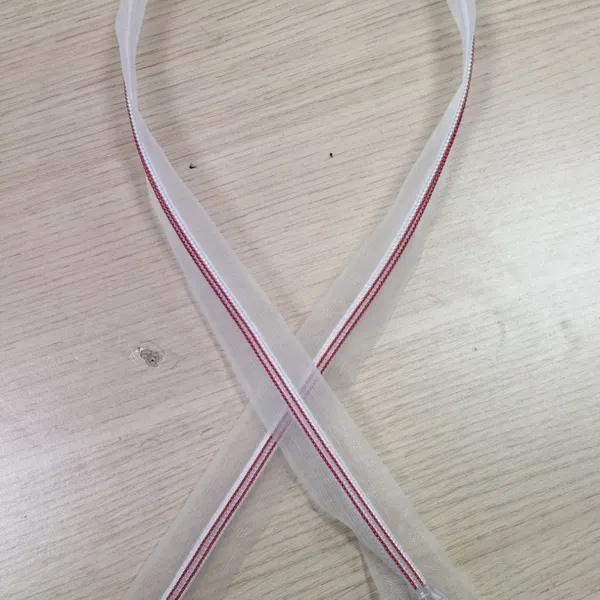 Read More
-
Injection Molded Zipper Teeth: Tooling, Cycle Time and Colour
November 4, 2026Injection molded zipper teeth are formed one row at a time on a strip of tape, and the process is closer to plastics moulding than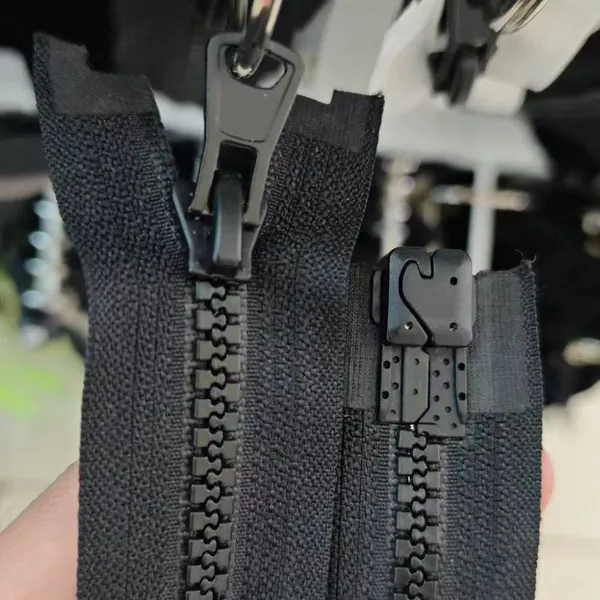 Read More
-
Nylon Zipper Chain Breakage and Stitching Faults
November 4, 2026A nylon zipper breakage rarely starts at the point where the chain finally parts. The break is usually the last event in a chain o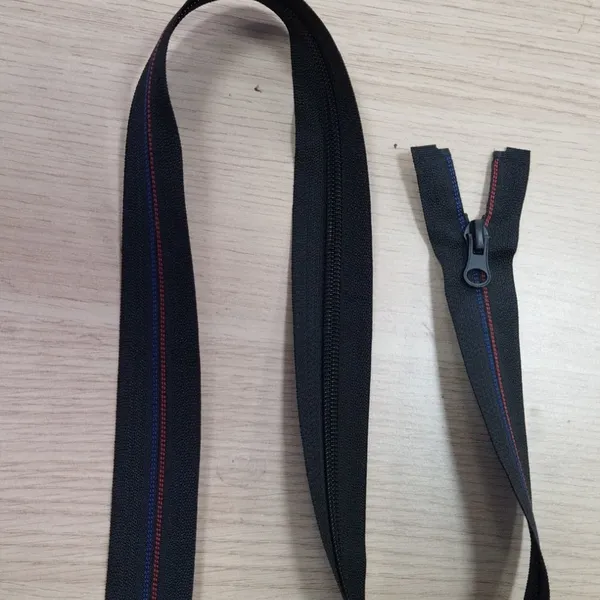 Read More
-
Zippers for Footwear and Boots: Sizes, Sliders and Corrosion
November 3, 2026A zipper for boots works under conditions that a garment zip never meets. It is loaded every time the foot is forced down the shaf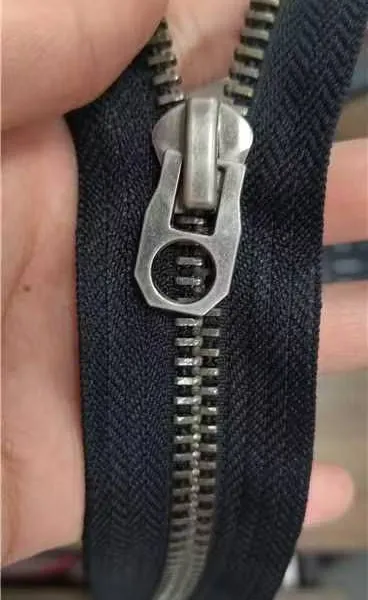 Read More

Contact Us
Recommended Products
-
 Clothing Accessories Lead Free Brass Metal Ring Prong Snap Button With 4 Parts for Infant Baby Clothes Baby BibsUS$ 0.01 - 0.03MOQ: 5000 Sets
-
Brass Metal Stainless Steel Material Ring Prong Snap Button With 4 Parts Lead Free & Nickel Free for Infant Baby Clothes Baby Bibs Baby SuitsUS$ 0.01 - 0.03MOQ: 5000 Sets
-
Metal Grommets Eyelets Gold Eyelet for Bag Shoes and Garment AccessoriesUS$ 0.01 - 0.03MOQ: 5000 Sets
-
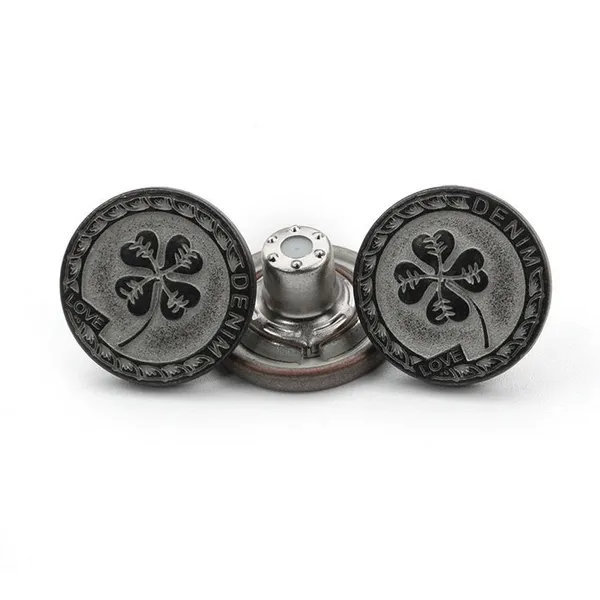
Cheap Price Custom Jeans Button Metal Custom Logo Metal Button for JeansUS$ 0.01 - 0.03MOQ: 5000 Sets
-
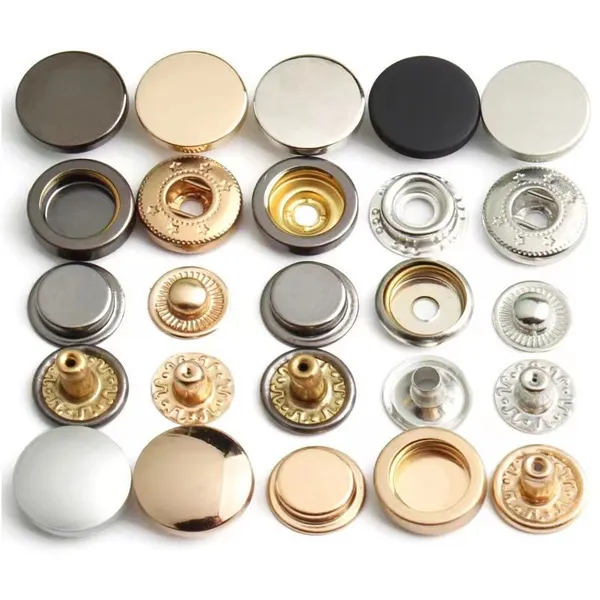
Factory Wholesale Hat Bag Clothing Press Snap Button Spring Snap Button Metal Snap ButtonsUS$ 0.03 - 0.06MOQ: 5000 Sets
-
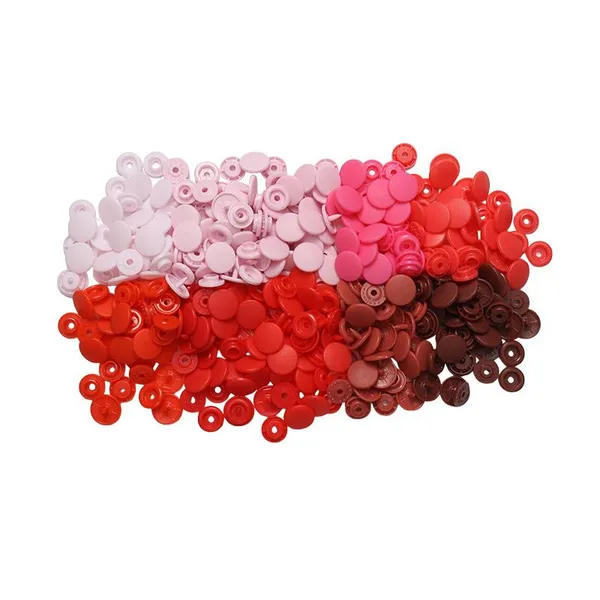
Wholesale Plastic Round Coloured Snaps Button Press Fasteners for Baby Bibs/ Baby GarmentsUS$ 0.01 - 0.03MOQ: 50000 Sets
-
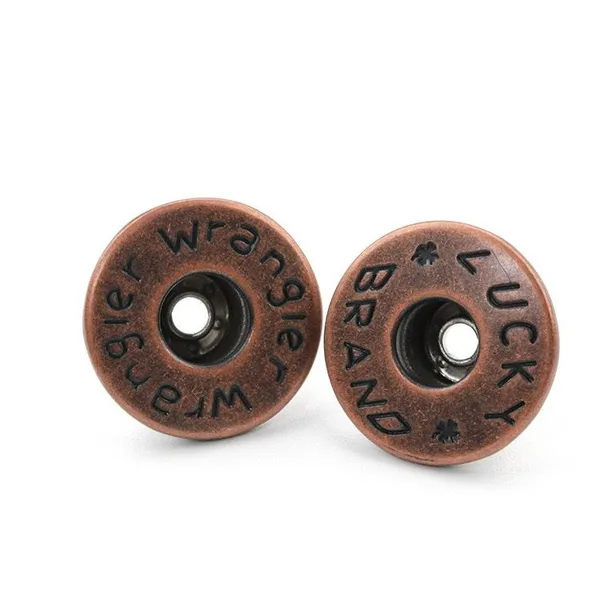
Custom EngravedCopper I Brass Metal Jeans Button Denim Clothes Jacket for Jeans DenimUS$ 0.01 - 0.03MOQ: 5000 Sets
-
17mm Open Hole Shank Button With Aluminum Nail With Logo for Jeans Jacket PantsUS$ 0.01 - 0.03MOQ: 5000 Sets
-
Eco-friendly Custom Size Plastic Snaps Plastic Snap Button for Baby Clothes, Baby BibsUS$ 0.01 - 0.03MOQ: 50000 Sets
-
12mm 15mm 17mm 20mm Four Parts Metal Brass Fastener Press Snap Button for Clothes JacketUS$ 0.03 - 0.06MOQ: 5000 Sets
-
Custom Logo Personalized High Quality Metal Press Snap Fastener Snap Buttons for Clothing Garments JacketUS$ 0.03 - 0.06MOQ: 5000 Sets
-
Custom Printing Round Press Spring Four Part Snap Button for Clothing Leather 405#17mmUS$ 0.03 - 0.06MOQ: 5000 Sets
-
OEM Garment Accessories Custom Baby Snap Button Press Metal Prong Pearl Ring Snap ButtonUS$ 0.01 - 0.03MOQ: 5000 Sets
-
Factory Stock Buttons Stainless Steel or Brass Material Colors Pearl Snap Button Prong Pearl Snap Button for Shirts ClothingUS$ 0.01 - 0.03MOQ: 5000 Sets
-
Factory Direct Easy Press 0910 T09F3 Plastic Snap Button 9mm for Baby Hats and BootiesNegotiableMOQ: 50000 Pieces
-
Bulk Supply OEM Custom 0910 T90 POM Snap Button 9mm for DIY Crafts and Baby GiftsNegotiableMOQ: 50000 Pieces
-
Factory Direct Colorfast T3 POM Snap Fastener 10.5mm for Kids Tees and PlaywearNegotiableMOQ: 50000 Pieces
-
Custom Color OEM Supply 1515 T15 POM Snap Button 15mm for Parkas and Down JacketsNegotiableMOQ: 50000 Pieces
-
Soft Touch Washable 1010 Plastic Snap Button 10mm POM for Toddler Clothing and PlaysuitsNegotiableMOQ: 50000 Pieces
-
Eco Friendly Non Toxic 0910 T90 Plastic Snap Button 9mm for Infant Bodysuits and RompersNegotiableMOQ: 50000 Pieces