
 Business License
Blog Categories
Zipper Claims and Rework at Difei Button: How Issues Are Closed
A zipper quality claim is not settled by an argument about what the buyer saw. It is settled by a case number, a reference part and a measured figure, so that both sides are looking at the same evidence. That method is what keeps a claim short.
This article sets out the route a case takes at Difei Button, from the first report to the closing note. It covers how a zipper quality claim is sorted by type, how zipper rework handling decides between repairing and remaking, and how the zipper after sales record feeds the next season rather than sitting in a drawer.
1. Logging a Zipper Quality Claim
Logging a zipper quality claim starts with a case number rather than with a judgement. The report is entered against the order and the lot, and the buyer is given the case number apart from any view on the merits.
The entry captures four fields. The article and the lot, the quantity affected, the point in the process where the fault appeared, and a photograph or a returned piece. A case that arrives with all four is answered quickly, while one that arrives with a description alone has to wait for the missing parts.
The lot field is the one that does the work. Difei Button (Guangzhou) Co Ltd keeps a production record per lot, covering the chain, the shade, the tool and the inspection figures, so the case can be checked against the values taken when the goods were made rather than against a fresh opinion.
2. Sorting a Zipper Quality Claim by Type
A zipper quality claim is sorted into one of three types before it is investigated, because the three are handled differently. The types are a function fault, a visual fault and a quantity fault.
A function fault covers anything that stops the chain from doing its job. A slider that will not hold, a chain that skips at one point, or a tape that tears at the seam belongs here, and this type is treated as the most urgent of the three.
A visual fault covers shade, print and surface, while a quantity fault covers a short count or a wrong article in a carton. A case that carries two types at once is split into two case numbers, so a shade question does not delay a short count.
| Type | Examples | First action | Target answer |
|---|---|---|---|
| Function | Skip, jam, failed lock, torn seam | Hold the balance | 48 hours |
| Visual | Shade drift, print position, mark | Compare with the reference | 3 working days |
| Quantity | Short count, wrong article | Recheck the packing list | 24 hours |
The type also sets who answers. A quantity case is closed by a warehouse check, while a function case goes to the line that made the part. Sending every case down the same path is the reason a small question can take a week.
3. Zipper Rework Handling on a Confirmed Fault
Zipper rework handling begins once the fault is confirmed rather than suspected. The affected quantity is held, and the same part is opened at a second point on the chain to see whether the fault is local or general.
The check is a comparison rather than a repetition. The part in question is set beside the reference kept on file, and the two are read against the same gauge and the same standard. Where the difference is inside the agreed tolerance, the buyer receives the figure and the case closes without a rework.
A confirmed fault is then sized before it is repaired. The proportion of the lot affected decides whether the answer is a sort, a repair or a remake, and that decision is recorded with the case number so the next case of the same type is handled the same way.
4. Zipper After Sales Response Times
Zipper after sales works to a stated clock rather than to an available moment. A report is acknowledged within one working day, a first view is given within two, and a conclusion is issued within five for a case that needs a line check.
The clock starts when the four fields are complete rather than when the first message arrives. A case that is waiting for a photograph is not treated as open, and the buyer is told what is missing rather than left waiting.
A case that needs a returned piece gets a longer window, and the window is stated at the start rather than extended later. A sample sent by courier takes days to arrive, so the plan sets a date for the result rather than a date for the next call.
5. Zipper Rework Handling: Repair, Sort or Remake
Zipper rework handling comes down to one of three answers, and the choice is made on the proportion of the lot that fails rather than on the size of the order.
A local fault that affects a small share of the pieces is repaired. A slider is replaced, or a section of chain is renewed and a fresh stop is set, and the repaired pieces are re checked before they are packed with the rest.
A visual fault that runs across the lot is handled by a sort. Every carton is opened and the pieces are graded against the reference, and the accepted pieces ship while the rest are held. A function fault that affects the whole lot justifies a remake, because a fault in the chain cannot be inspected out of a shipment piece by piece.
The rule is written down so that the answer does not depend on who reads the case. Difei records which of the three was chosen and why, and the reason is checked at the annual review rather than at the next case.
6. A Zipper Quality Claim on a Visual Fault
A zipper quality claim on a visual fault is the hardest of the three to settle, because shade is a judgement rather than a measurement until it is turned into one. The answer is to compare the part with the reference tab held on file and report the difference as a figure.
The comparison is done in a fixed place with a fixed light, so that two inspectors reach the same view. A shade that reads as a match on one bench and a mismatch on another is a lighting fault rather than a production fault, and the fixed condition removes it.
A print fault is checked the other way, by position rather than by tone. The distance from the tape edge to the print is measured against the drawing, and a shift beyond the stated tolerance is a fault whether or not it catches the eye.
A visual fault is also the type that most often turns out to be a handling fault rather than a production one. A mark that appears on the outer carton and on the first two pieces is usually made after packing, while a mark on every piece points at the line. The position of the fault on the lot tells the two apart before any measurement is taken.
7. Zipper After Sales Records and the Annual Review
Zipper after sales records are reviewed once a year rather than just when a case is open. Every case is grouped by type, and the group that repeats is the one that earns a change of specification.
The review looks for a pattern rather than a single event. Three shade cases on one article in a year point at a reference that is too tight or a process that drifts, and the answer is to widen the tolerance or to change the process rather than to handle three cases separately.
A change that comes out of the review is written into the specification and dated. Difei keeps the earlier specification beside the new one, so a buyer can see what moved and when. Difei treats that pair of documents as part of the service rather than as an internal note.
The review is also where a supplier is judged. Where a case traces to a bought in part such as a tape or a spring, the finding is passed back to the supplier with the evidence, and the same fault is not discovered again in the next season.
8. Closing a Zipper Quality Claim
Closing a zipper quality claim means writing down what changed rather than stating that the matter is settled. The closing note carries the case number, the cause, the action taken and the date.
The note also records the check that proves the action worked. Where a slider spring was changed, the note carries the pull force measured after the change; where a shade was adjusted, it carries the new reading against the reference. A note without a figure is a promise rather than a closure.
The buyer receives the note as part of the case, and the file is read before the next order on the same article. That habit is why a correction is made once at Difei Button rather than found again each season, and it is supported by a repeat purchase rate above 98 percent across a customer base of more than a thousand buyers.
9. Frequently Asked Questions
9.1 How does Difei Button handle a zipper quality claim?
A zipper quality claim at Difei Button is logged with a case number against the order and the lot before any view is given on the merits. The entry captures the article and lot, the quantity affected, the point in the process where the fault appeared, and a photograph or a returned piece. The case is then sorted into a function, visual or quantity type, because the three are answered on different clocks and by different teams. Acknowledgement is within one working day, a first view within two, and a conclusion within five for a case that needs a line check.
9.2 What is included in zipper rework handling?
Zipper rework handling covers three answers rather than one, and the choice is made on the share of the lot that fails. A local fault affecting a small proportion is repaired, with a slider replaced or a section of chain renewed and a fresh stop set, and the repaired pieces are re checked before packing. A visual fault that runs across the lot is handled by a sort, where every carton is opened and the pieces are graded against the reference. A function fault affecting the whole lot justifies a remake, because a chain fault cannot be inspected out piece by piece.
9.3 How long does zipper after sales take to respond?
Zipper after sales works to a stated clock rather than to an available moment. A report is acknowledged within one working day, a first view is given within two, and a conclusion is issued within five for a case that needs a line check. The clock starts when the four entry fields are complete rather than when the first message arrives, so a case waiting for a photograph is not treated as open. A case that needs a returned piece is given a longer window, and the window is stated at the start rather than extended later.
9.4 What happens after a confirmed zipper fault is found?
Once a zipper fault is confirmed, the affected quantity is held and the same part is opened at a second point on the chain to see whether the fault is local or general. The part is read against the reference kept on file and against the same gauge, and where the difference is inside the agreed tolerance the buyer receives the figure and the case closes without a rework. Where the fault is confirmed, the answer is a repair, a sort or a remake, and the closing note records the cause, the action and a measured figure that proves the action worked.
Recently Posted
-
Zipper Slider Die Casting and Surface Finishing
November 6, 2026A zipper slider begins as a shot of molten alloy injected into a steel mould, and it ends as a plated part that runs on a chain. T Read More
-
Zipper Lead Time and Production Scheduling: Cutting to Dispatch
November 6, 2026A zipper lead time is not a single figure held in a database. It is the sum of several stages that run in sequence, and each one m Read More
-
Inspecting a Zipper Shipment: Checks Before Loading
November 5, 2026Inspecting a zipper shipment is the last point at which a fault can be caught while the goods are still in the factory. Once the c Read More
-
Zipper Selection for Tents, Sleeping Bags and Camping Gear
November 5, 2026A tent zipper is asked to work in the dark, with cold hands, on a panel that is under tension from the poles. A sleeping bag zippe Read More

Contact Us
Recommended Products
-
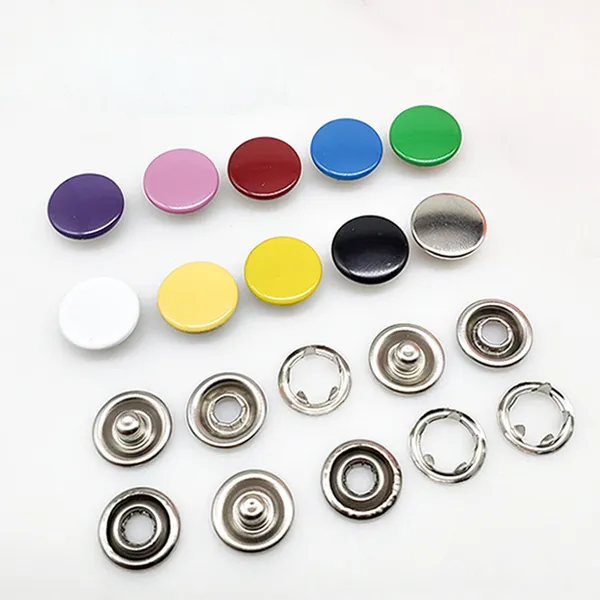
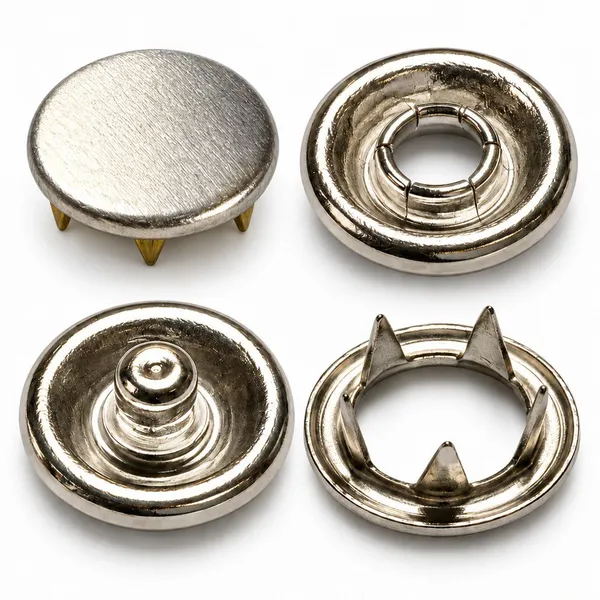
 Clothing Accessories Lead Free Brass Metal Ring Prong Snap Button With 4 Parts for Infant Baby Clothes Baby BibsUS$ 0.01 - 0.03MOQ: 5000 Sets
-
Brass Metal Stainless Steel Material Ring Prong Snap Button With 4 Parts Lead Free & Nickel Free for Infant Baby Clothes Baby Bibs Baby SuitsUS$ 0.01 - 0.03MOQ: 5000 Sets
-
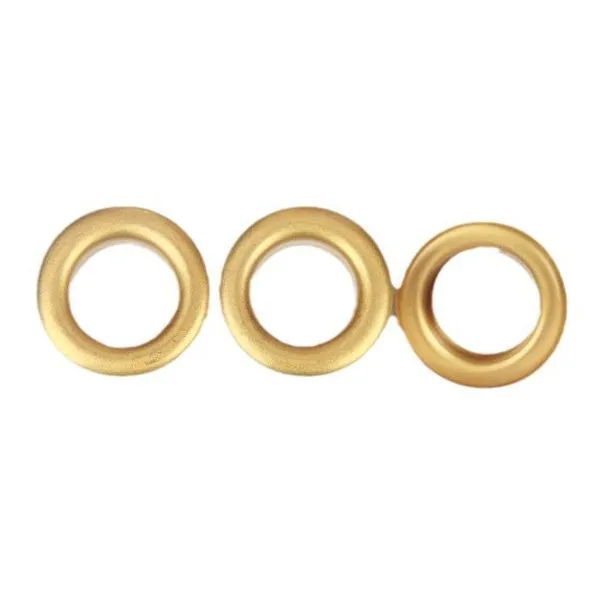
Metal Grommets Eyelets Gold Eyelet for Bag Shoes and Garment AccessoriesUS$ 0.01 - 0.03MOQ: 5000 Sets
-
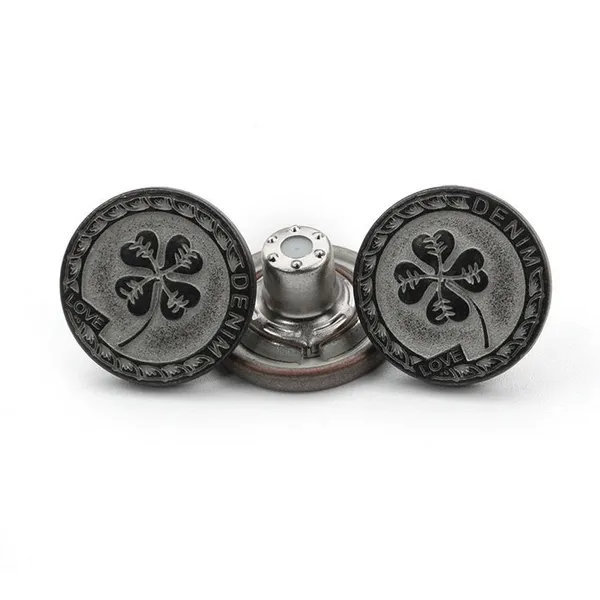
Cheap Price Custom Jeans Button Metal Custom Logo Metal Button for JeansUS$ 0.01 - 0.03MOQ: 5000 Sets
-
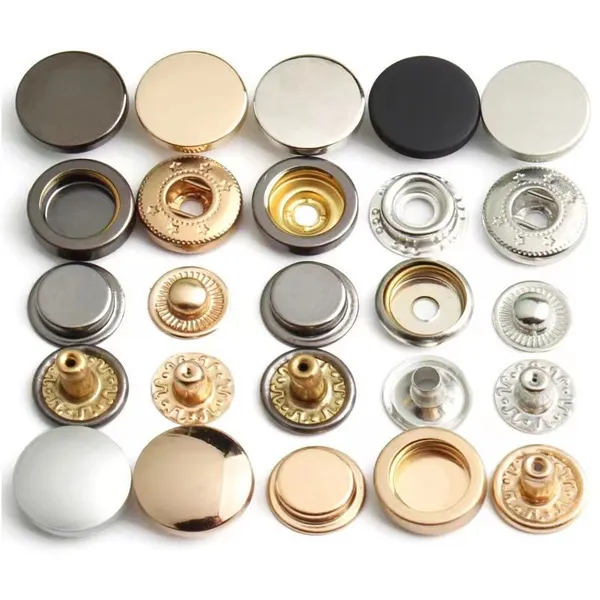
Factory Wholesale Hat Bag Clothing Press Snap Button Spring Snap Button Metal Snap ButtonsUS$ 0.03 - 0.06MOQ: 5000 Sets
-
Wholesale Plastic Round Coloured Snaps Button Press Fasteners for Baby Bibs/ Baby GarmentsUS$ 0.01 - 0.03MOQ: 50000 Sets
-
Custom EngravedCopper I Brass Metal Jeans Button Denim Clothes Jacket for Jeans DenimUS$ 0.01 - 0.03MOQ: 5000 Sets
-
17mm Open Hole Shank Button With Aluminum Nail With Logo for Jeans Jacket PantsUS$ 0.01 - 0.03MOQ: 5000 Sets
-
Eco-friendly Custom Size Plastic Snaps Plastic Snap Button for Baby Clothes, Baby BibsUS$ 0.01 - 0.03MOQ: 50000 Sets
-
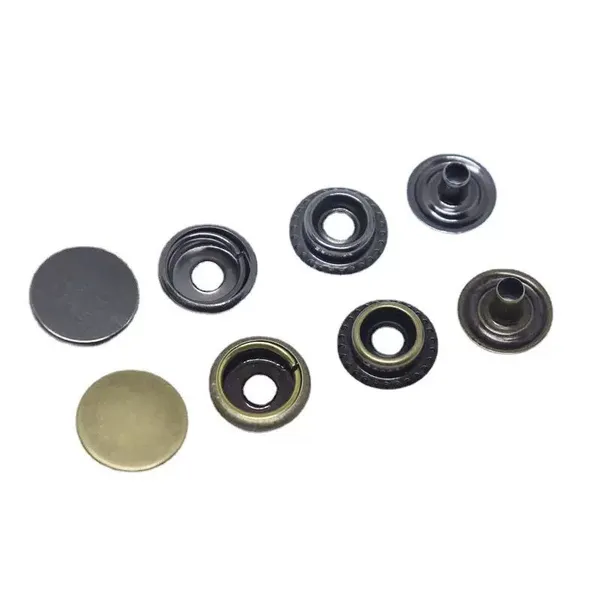
12mm 15mm 17mm 20mm Four Parts Metal Brass Fastener Press Snap Button for Clothes JacketUS$ 0.03 - 0.06MOQ: 5000 Sets
-
Custom Logo Personalized High Quality Metal Press Snap Fastener Snap Buttons for Clothing Garments JacketUS$ 0.03 - 0.06MOQ: 5000 Sets
-
Custom Printing Round Press Spring Four Part Snap Button for Clothing Leather 405#17mmUS$ 0.03 - 0.06MOQ: 5000 Sets
-
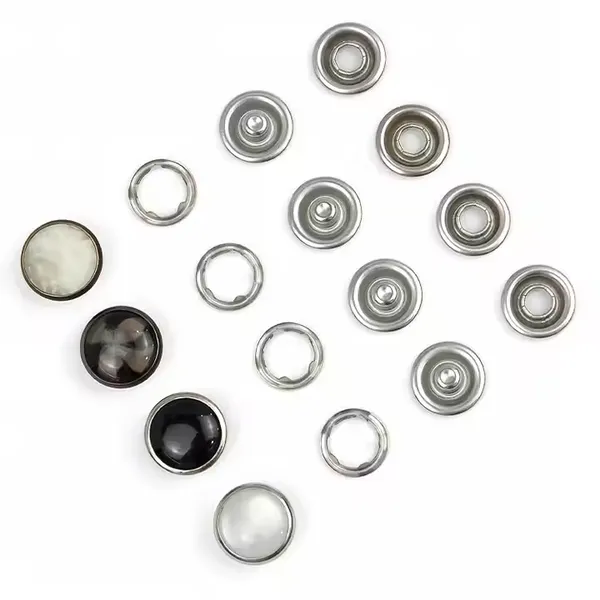
OEM Garment Accessories Custom Baby Snap Button Press Metal Prong Pearl Ring Snap ButtonUS$ 0.01 - 0.03MOQ: 5000 Sets
-
Factory Stock Buttons Stainless Steel or Brass Material Colors Pearl Snap Button Prong Pearl Snap Button for Shirts ClothingUS$ 0.01 - 0.03MOQ: 5000 Sets
-
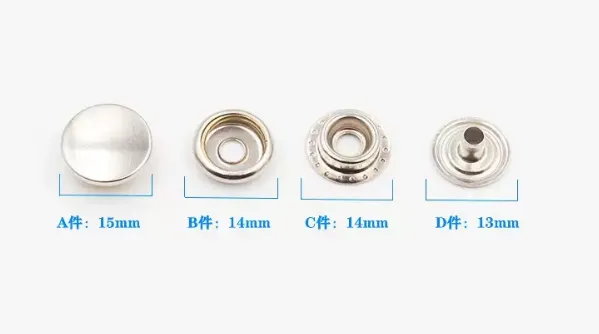
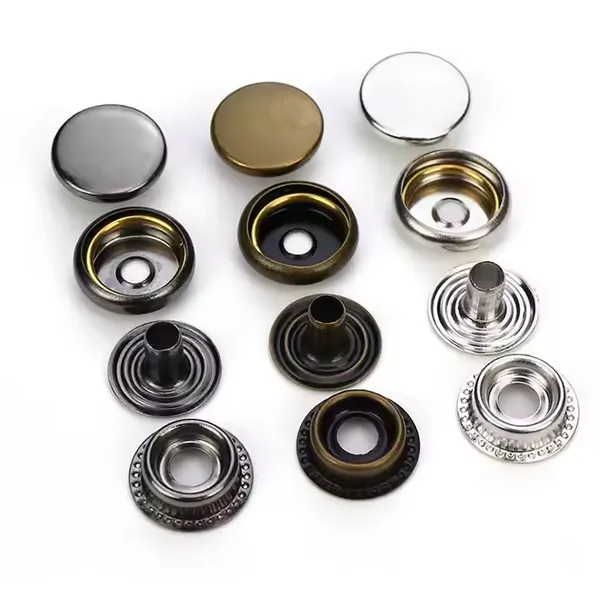
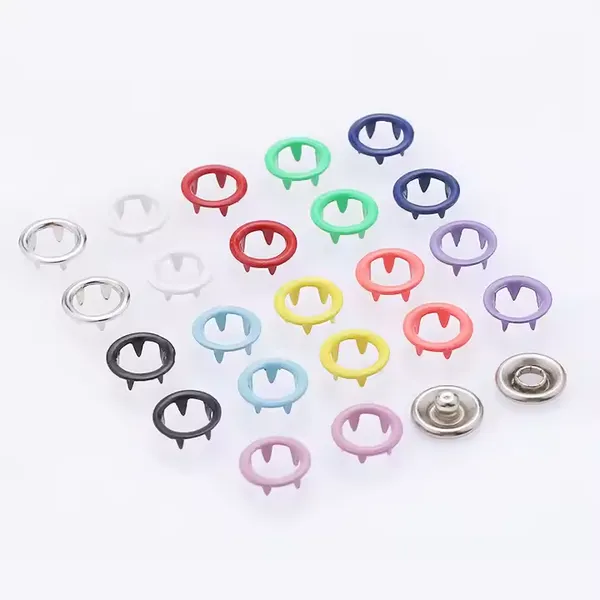
333# 11.5mm Cap Prong Ring Snap Button Metal Snap Closure for Leather Jackets and BagsNegotiableMOQ: 5000 Pieces
-
222# 9mm Open Hole Ring Snap Button Brass Fastener for Denim Jackets and Trucker CoatsNegotiableMOQ: 5000 Pieces
-
222# 10mm Cap Prong Ring Snap Button Metal Press Fastener for Workwear and Chef ApronsNegotiableMOQ: 5000 Pieces
-
333# 11.7mm Pearl Prong Ring Snap Button Round Snap for Quilted Coats and GiletsNegotiableMOQ: 5000 Pieces
-
333# 10mm Open Hole Ring Snap Button Solid Brass Snap for Denim Jeans and Bib OverallsNegotiableMOQ: 5000 Pieces
-
222# 10mm Pearl Prong Ring Snap Button Round Fastener for Wool Coats and CapesNegotiableMOQ: 5000 Pieces