
 Business License
What Is a Plastic Snap Button? Structure, Sizes and Everyday Uses
A jacket that closes with a soft click instead of a metal clack almost always owes that quiet closure to a plastic snap button. It is one of the most widely used fasteners in modern garment production, yet many buyers have never looked closely at how it is built. Understanding the structure behind the click makes size selection, quality checks and supplier conversations far easier.
Buyers often arrive with a sample in hand and a vague idea of what to ask for. That gap leads to mismatched sizes, weak holding force and rework on the sewing line. This guide walks through the anatomy, materials and sizing of a plastic snap fastener for clothing, then explains how to install a plastic snap button correctly so the closure lasts as long as the garment.
1. What a Plastic Snap Button Is
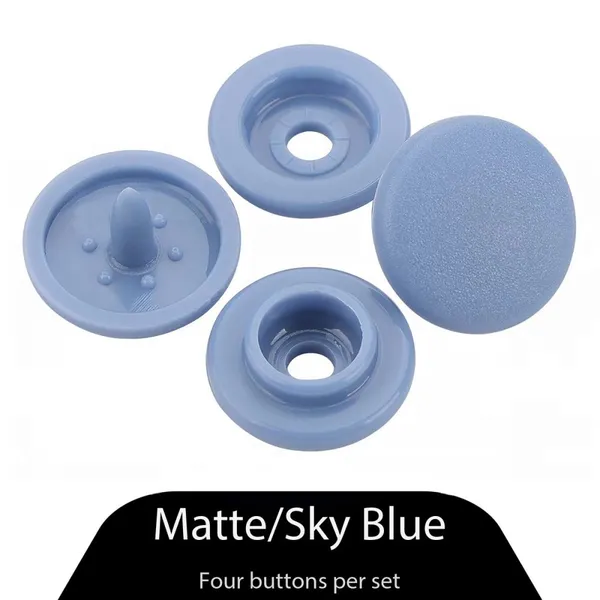
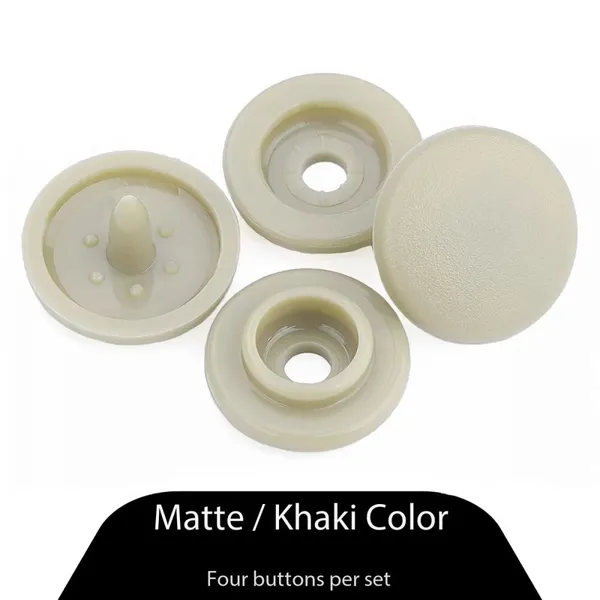
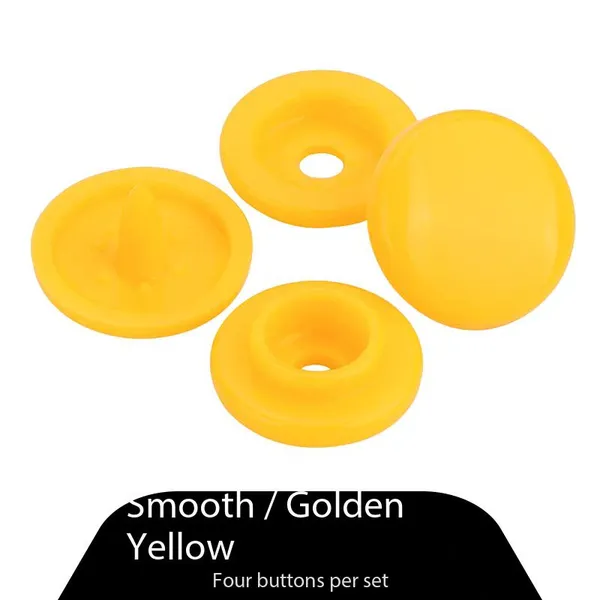
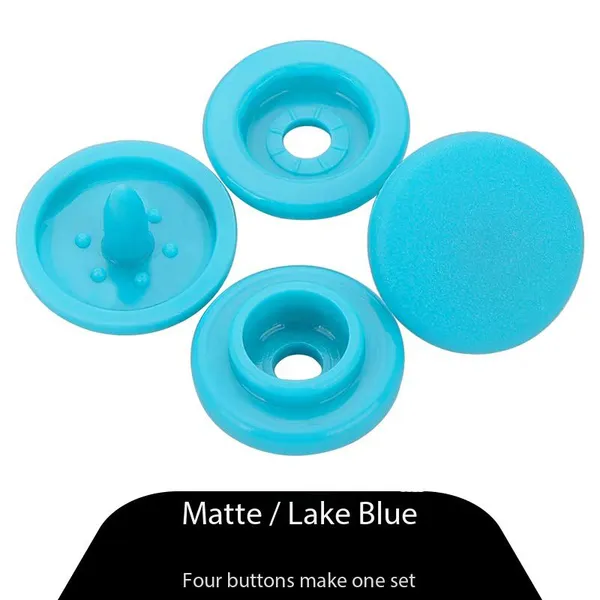
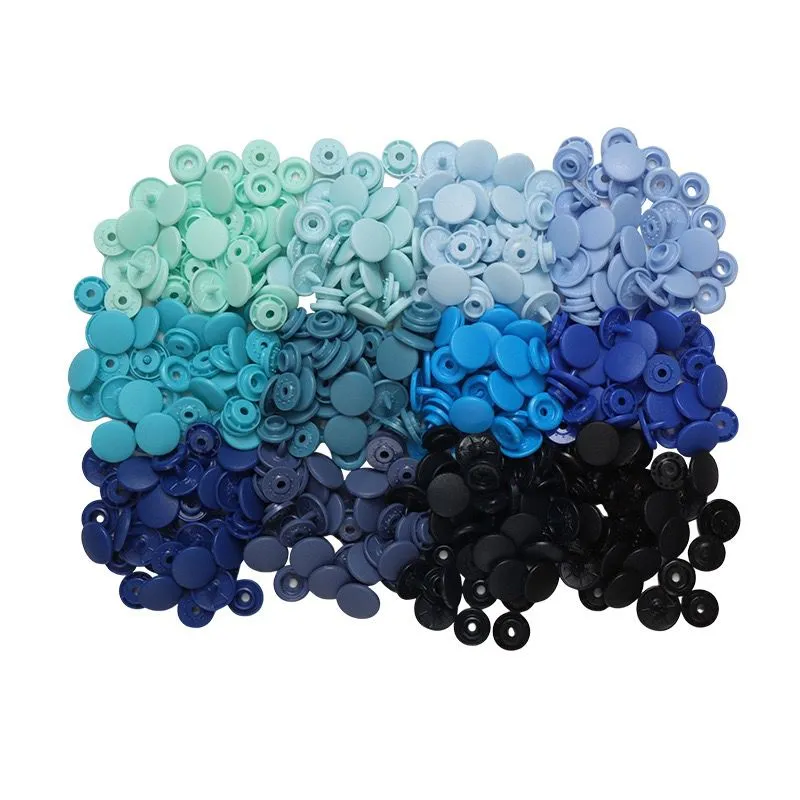
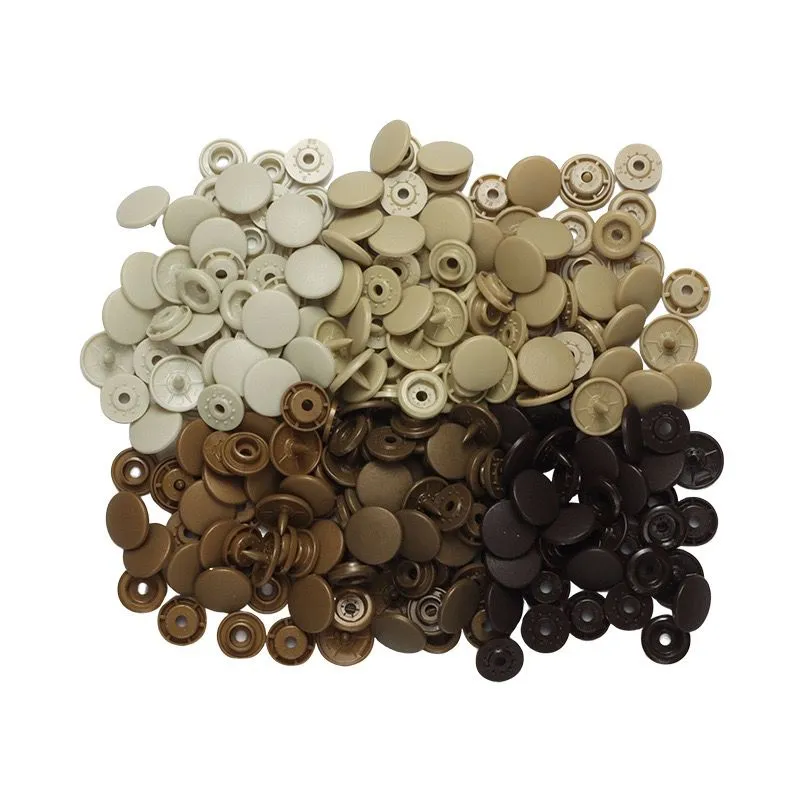
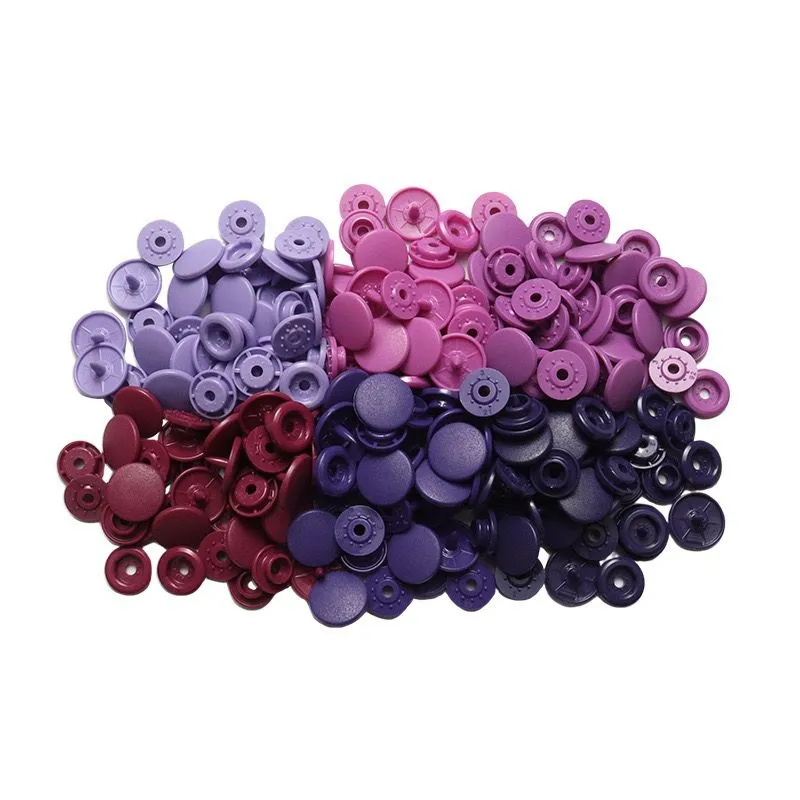
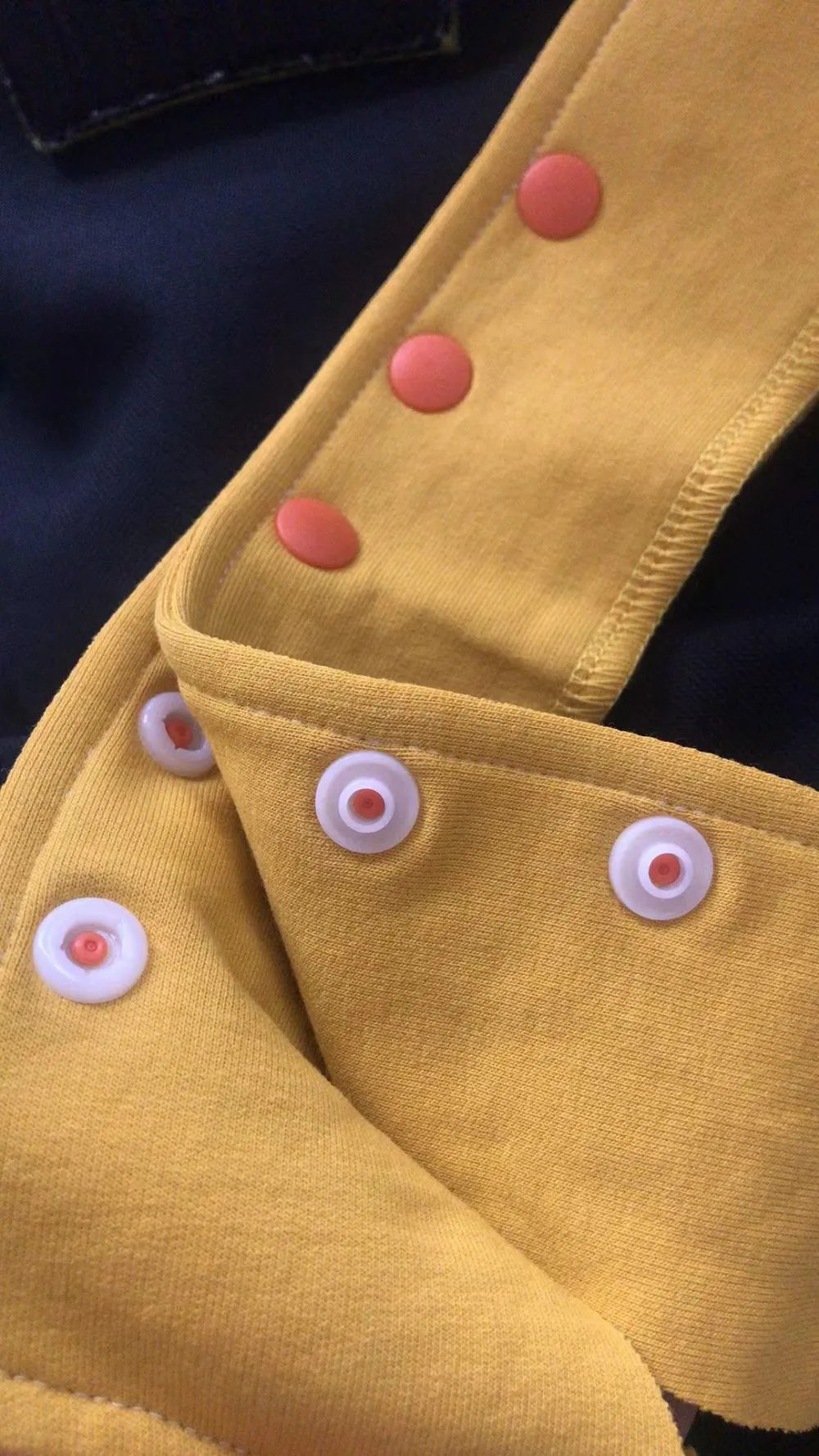
A plastic snap button is a four-part press fastener that closes when its two halves click together and opens when they are pulled apart with a firm tug. Unlike a sew-through button, it needs no needle and thread. The fastener is set directly into the fabric, which keeps production fast and the closure reliable.
The closure works one-handed, lies flat against the fabric and adds almost no stiffness to the garment. That combination explains why the plastic snap button has become the default choice for babywear, sportswear and rainwear. For a buyer, the practical starting point is to treat it as two matching halves: one half grips the fabric and carries the visible face, and the other half locks onto it from the opposite side.
Because the halves are punched and pressed rather than sewn, consistency comes from tooling and setting force rather than operator skill. That is good news for repeat orders, since the same mold and the same press settings reproduce the same result across thousands of garments.
2. The Four Parts That Make the Click Work
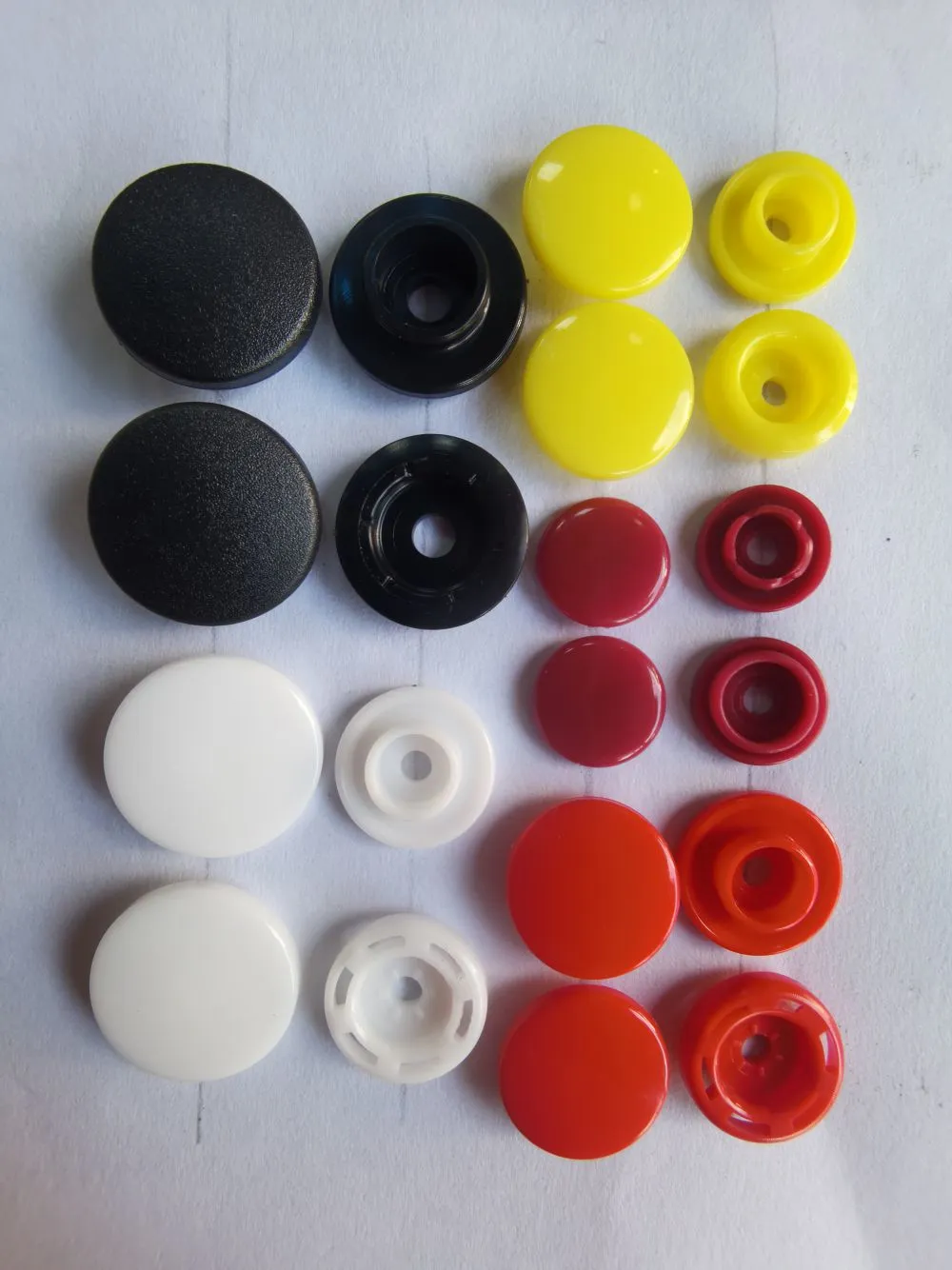
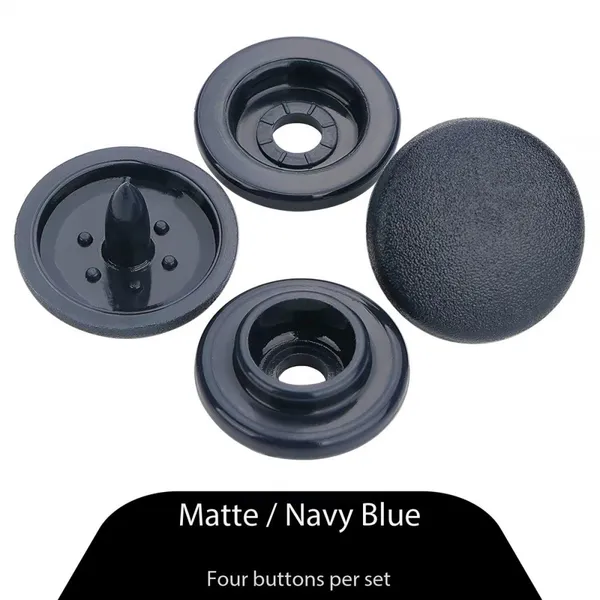
Every plastic snap button, whatever the brand, is built from the same four components. Each part has a distinct job, and a failure in any one of them shows up as a snap that will not close or pulls free under load. The table below sets out the four parts and what each one contributes.
| Part | Position | Job in the closure |
|---|---|---|
| Cap | Outer face of the top half | Carries the visible surface, color and any logo detail |
| Socket | Under the cap | Holds the stud inside its rim and clicks closed |
| Stud | Face of the bottom half | Domes into the socket to form the lock |
| Post | Back of each half | Spread or flared through the fabric to anchor the halves |
The cap and socket travel together as the top half, while the stud and post form the bottom half. When the two halves are pressed together, the stud deforms slightly and locks inside the socket rim. That interference fit is what produces the holding force, so dimensional tolerance between socket and stud matters more than almost any other detail.
A tolerance drift of roughly 0.1 mm between socket and stud is enough to change how the closure feels and how long it holds. This is why a serious supplier measures snap components by batch rather than trusting the mold alone.
3. Which Plastics Are Used, and Why
Most plastic snap buttons are molded from POM, also called acetal, or from nylon. POM is dense and rigid, with a density of roughly 1.41 g per cubic centimeter, and it keeps its shape across a working range of roughly minus 40 to 90 degrees Celsius. Nylon is tougher and slightly more flexible, which helps it survive repeated opening cycles without cracking.
The choice between the two comes down to the garment. POM gives a crisper click and holds dimensional stability through hot washing, while nylon absorbs a little moisture and flexes under stress instead of resisting it. Recycled and bio-based compounds are entering the market as well, driven mainly by brands with sustainability targets.
Difei Button (Guangzhou) Co Ltd molds both POM and nylon snap components in house, which keeps the material choice with the factory rather than the trader. That matters when a garment spec calls for a specific compound, because switching material mid-order changes both the click feel and the holding force.
4. Plastic Snap Button Sizes and What They Fit
Snap sizes are usually given as the cap diameter in millimeters, sometimes with a T-number label borrowed from metal snap sizing. Choosing a size is mostly a question of fabric weight and the load the closure carries. The table below maps the common plastic snap button sizes to their typical uses.
| Cap diameter | Typical label | Common fabrics | Typical garments |
|---|---|---|---|
| 10 - 12 mm | T3 - T5 | Single jersey, interlock, fleece | Babywear bodysuits, bibs, t-shirts |
| 12 - 15 mm | T5 | Jersey, lightweight canvas | Kids sets, pajamas, soft jackets |
| 15 - 18 mm | T8 | Canvas, denim light weights | Work shirts, casual jackets, caps |
| 18 - 20 mm | T8 and above | Heavy canvas, coated fabrics | Outerwear, bags, heavy coats |
Two sizing habits prevent most problems. First, match the post length to the fabric thickness rather than defaulting to one length, because a post set through thick fabric without enough grip will work loose. Second, keep size consistent within one garment zone, since mixed sizes on a single placket look uneven and confuse the production line.
5. How to Install a Plastic Snap Button, Step by Step
Installation is a punching and pressing operation, and doing it in the right order prevents both fabric damage and loose snaps. The sequence below describes how to install a plastic snap button with a standard hand press or setting tool.
Mark the position on both fabric layers and confirm the spacing against the pattern, keeping at least 10 mm from any seam.
Punch or pierce the hole for the post, matching the hole diameter to the post spec rather than guessing.
Seat the cap-and-socket half on the face side and the stud-and-post half on the reverse, checking that the halves face each other correctly.
Press with steady, even force until the post flares fully; a partial flare is the most common cause of a loose snap.
Test one snap per roll by pulling the closed halves apart; if the joint separates below spec, stop and adjust the press before continuing.
Anyone who has wondered how to install a plastic snap button on stretch fabric should add one more habit: use an interlining or a small backing disc behind knit fabrics. The backing spreads the setting load and stops the post from tearing through the loop over time. Done this way, the same installation method holds across jerseys, fleeces and coated shells alike.
6. Where a Plastic Snap Fastener for Clothing Earns Its Place
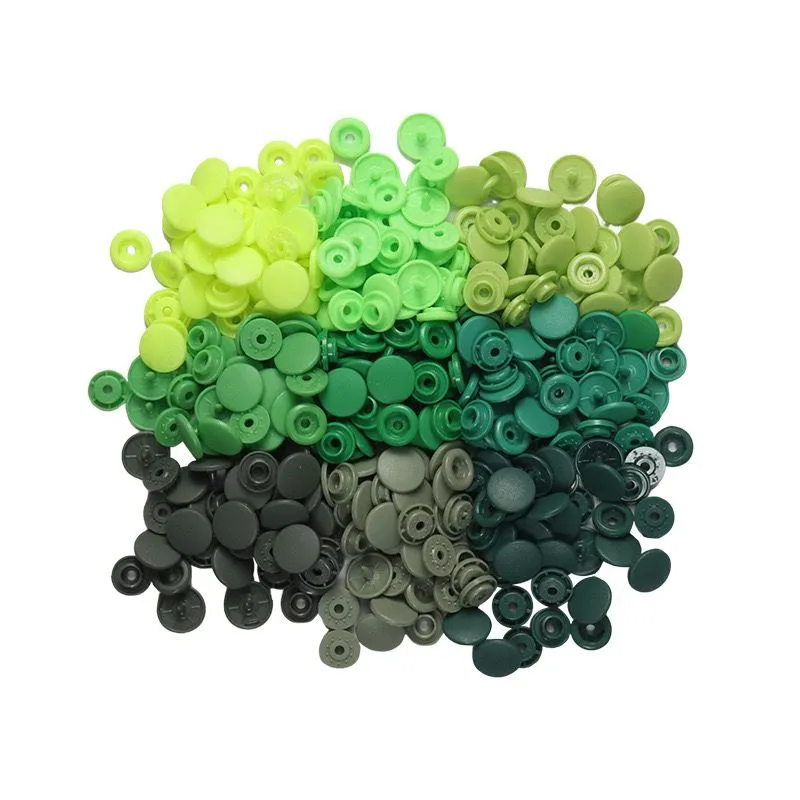
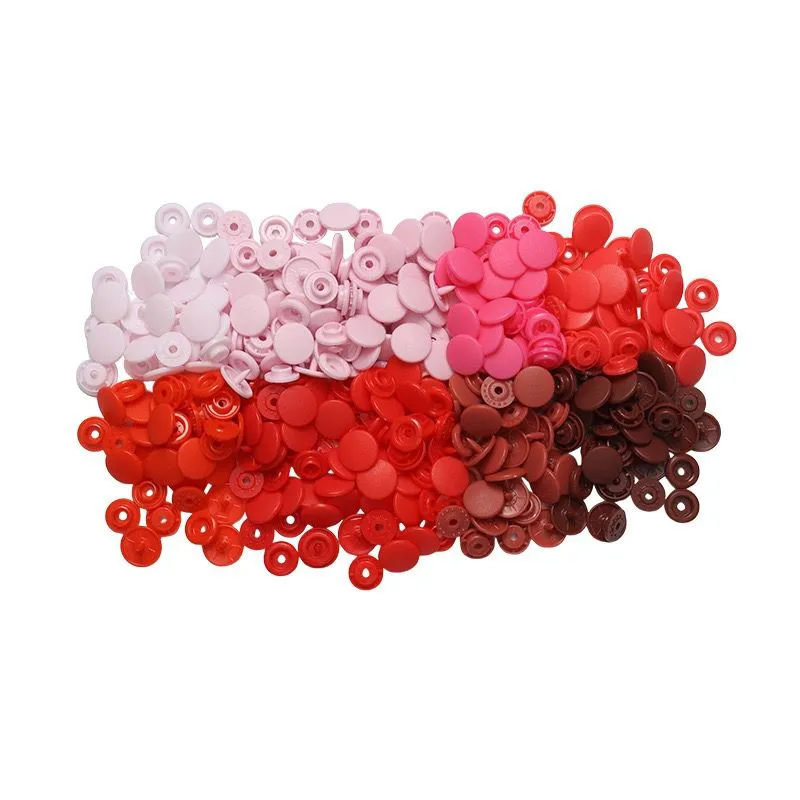
The everyday case for a plastic snap fastener for clothing rests on three strengths: light weight, corrosion-free behavior and a closure that opens quickly without stressing the fabric. Babywear uses it for crotch plackets that parents open dozens of times a day. Rainwear uses it because plastic never rusts or stains the shell. Sportswear uses it where a rigid metal edge would feel harsh against skin.
Not long ago, a babywear label in South China moved its entire bodysuit line from metal snaps to plastic ones after snag complaints kept appearing on the sewing line. The switch cut needle-detection rejects by roughly 40 percent, because plastic components carry no ferrous contamination, and every closure passed the 90 N pull test on first inspection. The label has kept the spec ever since.
The same logic applies to bibs, sleep sacks and stroller liners, where a soft face and a quiet click matter as much as holding force. Difei Button supplies these categories from standard molds, so sampling usually takes days rather than weeks.
7. Plastic or Metal: Choosing the Right Base
Metal snaps still win where the garment is washed hot every day or where a decorative metal face is part of the design. Plastic wins where skin contact, rust risk and weight are the deciding factors. In practice the two bases coexist inside one product range, and most garment brands specify both.
A useful rule is to let the fabric decide. Knits and fleeces sit better with plastic, because the setting load is gentler and the face stays flexible. Denim and heavy canvas usually carry metal better, since the dense weave grips the post firmly. A while back, a raincoat maker asked for metal snaps on a coated shell and saw staining at the setting points within a few washes; switching to POM solved it immediately.
Cost rarely separates the two bases at garment level. The per-piece difference is small, while the consequences of a wrong choice show up as returns and rework.
8. Washing, Wear and Service Life
A properly set plastic snap button should outlast the garment it closes. POM components typically survive 50 or more domestic wash cycles at 60 degrees Celsius without dimensional change, and nylon holds up similarly with slightly more flex. The failure modes worth watching are mechanical rather than chemical: an under-flared post, a socket cracked by excess press force, or fabric fatigue around the hole.
How to install a plastic snap button correctly is therefore the main variable in service life, not the plastic itself. A setting audit on the sewing line, checking a handful of snaps per shift with a pull gauge, keeps the whole run inside spec. Our team at Difei Button recommends recording the pull values so that any drift shows up as a trend rather than a surprise.
Buyers planning compliance checks should also confirm that the closure passes a 90 N pull test after washing, not just before. A snap that holds when new but loosens after 10 washes fails the garment, so test the wash cycle and the pull together.
9. Frequently Asked Questions
9.1 What is the difference between a plastic snap button and a metal snap button?
A plastic snap button is lighter, quieter and immune to rust, which makes it the default for babywear, rainwear and anything worn against skin. A metal snap carries a harder face, tolerates hot industrial laundering and suits denim and heavy canvas. Holding force depends on the setting quality in both cases, so the choice is driven by fabric weight, skin contact and wash conditions rather than by strength alone. Most ranges end up specifying both bases, and our team at Difei Button quotes the two side by side so the comparison is explicit.
9.2 How to install a plastic snap button without a factory press?
A hand tool covers small runs: pierce the hole, seat both halves, then apply steady force until the post flares fully. The discipline that matters is testing every closure rather than trusting the strike. Expect hand setting to vary from piece to piece, so pull each snap before the garment moves on. Once volumes pass a few hundred pieces, a bench press with a matched die pays for itself in consistency, keeping the flare identical from the first piece to the last.
9.3 When should a plastic snap fastener for clothing replace a sew-through button?
Choose a plastic snap fastener for clothing whenever the closure must open quickly, close one-handed or sit flat against the fabric. Sew-through buttons need a buttonhole and two hands, which is why they dominate on shirts but lose out on plackets, bibs and baby crotches. The snap also removes thread from the equation, so there is nothing to unravel in the wash. Where a decorative, traditional look matters more than speed, the sew-through button still holds its ground.
9.4 Can a plastic snap fastener for clothing survive industrial laundering?
Yes, provided the material and the setting are both specified for it. POM keeps its dimensions through repeated hot washes, and a full post flare holds the fabric grip. The practical check is to run the closure through the wash cycle first and then apply the 90 N pull test, since loosening shows up after laundering rather than before. Suppliers such as Difei Button (Guangzhou) Co Ltd test exactly this combination, so ask for post-wash pull data when the garment will face industrial cleaning.
Recently Posted
-
Inside Difei Button's Quality System: From First-Piece Approval to Batch Traceability
September 21, 2026A button quality system is judged at the sewing line rather than in the sales office. By the time a carton reaches a garment facto Read More
 -
Buttons for Denim and Jeanswear: Wear and Wash Performance
September 21, 2026A jeans button leads a harder life than any other closure on a garment. It is pulled with one hand while the fabric resists, it pa Read More
 -
Snap Button MOQ, Sampling and Lead Time: What Buyers Should Expect
September 21, 2026A snap button MOQ is the quantity a factory can run without losing money on setup, and it is the first figure most buyers ask for. Read More
 -
Plastic Snap Buttons vs Metal Snap Buttons: A Selection Framework
September 21, 2026A buyer comparing a plastic vs metal snap button is usually trying to settle one question: which closure keeps the garment working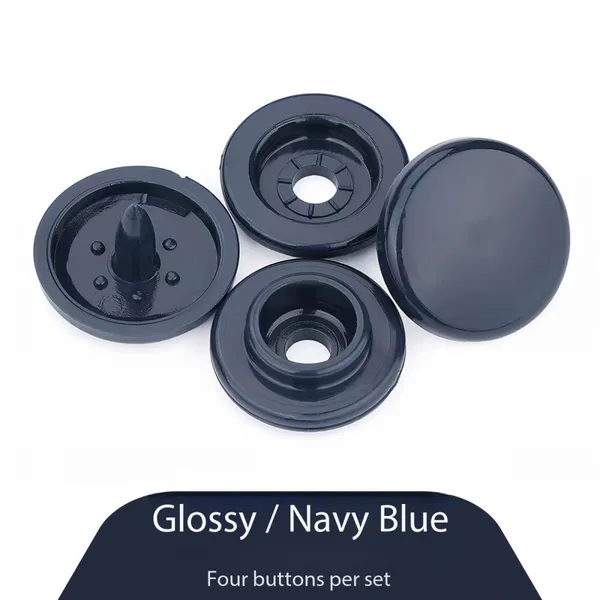 Read More

Contact Us
Recommended Products
-
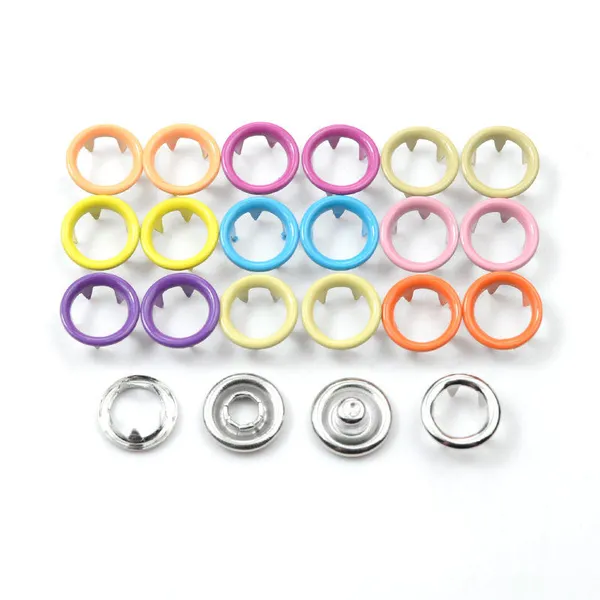
 Clothing Accessories Lead Free Brass Metal Ring Prong Snap Button With 4 Parts for Infant Baby Clothes Baby BibsUS$ 0.01 - 0.03MOQ: 5000 Sets
 -
Brass Metal Stainless Steel Material Ring Prong Snap Button With 4 Parts Lead Free & Nickel Free for Infant Baby Clothes Baby Bibs Baby SuitsUS$ 0.01 - 0.03MOQ: 5000 Sets
-
Metal Grommets Eyelets Gold Eyelet for Bag Shoes and Garment AccessoriesUS$ 0.01 - 0.03MOQ: 5000 Sets
-
Cheap Price Custom Jeans Button Metal Custom Logo Metal Button for JeansUS$ 0.01 - 0.03MOQ: 5000 Sets
-
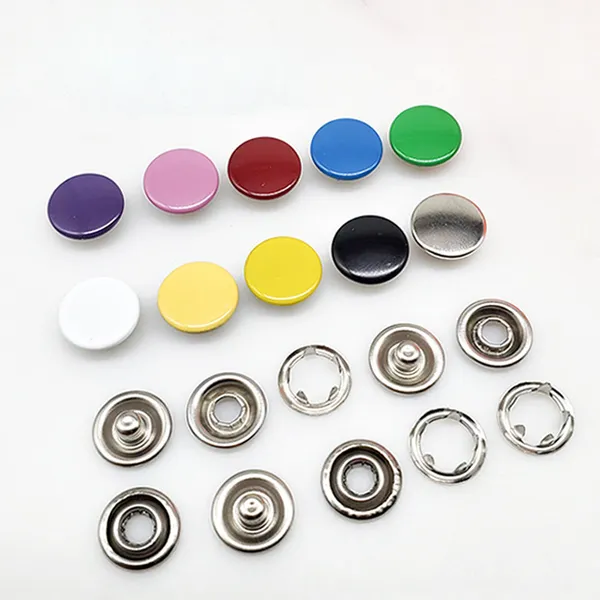
Factory Wholesale Hat Bag Clothing Press Snap Button Spring Snap Button Metal Snap ButtonsUS$ 0.03 - 0.06MOQ: 5000 Sets
-
Wholesale Plastic Round Coloured Snaps Button Press Fasteners for Baby Bibs/ Baby GarmentsUS$ 0.01 - 0.03MOQ: 50000 Sets
-
Custom EngravedCopper I Brass Metal Jeans Button Denim Clothes Jacket for Jeans DenimUS$ 0.01 - 0.03MOQ: 5000 Sets
-
17mm Open Hole Shank Button With Aluminum Nail With Logo for Jeans Jacket PantsUS$ 0.01 - 0.03MOQ: 5000 Sets
-
Eco-friendly Custom Size Plastic Snaps Plastic Snap Button for Baby Clothes, Baby BibsUS$ 0.01 - 0.03MOQ: 50000 Sets
-
12mm 15mm 17mm 20mm Four Parts Metal Brass Fastener Press Snap Button for Clothes JacketUS$ 0.03 - 0.06MOQ: 5000 Sets
-
Custom Logo Personalized High Quality Metal Press Snap Fastener Snap Buttons for Clothing Garments JacketUS$ 0.03 - 0.06MOQ: 5000 Sets
-
Custom Printing Round Press Spring Four Part Snap Button for Clothing Leather 405#17mmUS$ 0.03 - 0.06MOQ: 5000 Sets
-
OEM Garment Accessories Custom Baby Snap Button Press Metal Prong Pearl Ring Snap ButtonUS$ 0.01 - 0.03MOQ: 5000 Sets
-
Factory Stock Buttons Stainless Steel or Brass Material Colors Pearl Snap Button Prong Pearl Snap Button for Shirts ClothingUS$ 0.01 - 0.03MOQ: 5000 Sets
-
Durable 9mm POM Four Part Plastic Snap Buttons Lead Nickel Free Safe Fasteners for Baby Bibs and Children ApparelNegotiableMOQ: 50000 Sets
-
Plastic Snap Fasteners 9mm POM Lead Nickel Free Hardware for Baby Bibs Children Apparel Sewing ProjectsNegotiableMOQ: 50000 Sets
-
Four Part Plastic Snap Buttons 9mm POM, Custom Color OEM ODM for Apparel and Bed SheetsNegotiableMOQ: 50000 Sets
-
Automatic Feeding Compatible Four Part Plastic Snap Buttons for High-speed AssemblyNegotiableMOQ: 50000 Sets
-
Resin Snap Buttons 9mm POM Eco Friendly Garment Closures for Bed Sheets Outerwear Infant TextilesNegotiableMOQ: 50000 Sets
-
Eco‑friendly POM Made Four Part Plastic Snap Buttons 9mm Garment Snaps for Infant Textile ManufacturingNegotiableMOQ: 50000 Sets