
 Business License
Blog Categories
Zipper Strength Testing: Pull Apart, Holding and Slider Lock Tests
A zipper strength test measures how much load a chain can take before it separates, and how well a slider holds that chain closed. A size 5 coil chain is normally expected to resist a lateral pull of about 400 newtons, while a slider with a locking pawl should hold about 30 newtons without creeping. The 2 figures answer different questions and are tested separately.
This article explains what a zipper strength test covers, how a zipper pull apart force is measured, and how a slider lock test is run on a sample. It closes with the figures a buyer should ask for on a test report.
1. What a Zipper Strength Test Measures
A zipper strength test measures 3 different properties on the same chain. The first is the force that pulls the closed chain apart sideways. The second is the force the slider resists before the locking pawl slips. The third is the force needed to move the slider along a loaded chain.
The 3 figures are not interchangeable, and a supplier that quotes one of them alone has answered a third of the question. A chain can pass a pull test and still fail a lock test on the same sample. The test report should carry all 3 figures with the size number.
A strength figure is meaningful beside the size number and the standard used, and a figure copied without the size number cannot be compared. A size 3 chain and a size 10 chain are tested on different scales. Difei Button (Guangzhou) Co Ltd writes the size and the standard beside every figure on the report.
A test report is read beside the drawing rather than on its own. The size number, the chain type and the tape on the report have to match the drawing before a figure means anything. A high figure on the wrong size is not evidence of strength, and a buyer who checks the header first avoids that mistake.
2. Zipper Pull Apart Force on the Chain
Zipper pull apart force is measured by clamping the 2 tapes of a closed chain and pulling them apart at right angles. The chain is closed and the slider is parked at one end before the load is applied. The peak load at the moment the teeth separate is the figure recorded.
A size 5 nylon coil chain typically separates between 350 and 450 newtons in this test, while a brass chain of the same size reaches a higher figure because the metal tooth is rigid. The 2 chains can look alike on a garment and differ by 100 newtons or more. A buyer choosing on appearance alone will misjudge the strength.
The test is run on 5 samples and the lowest figure is reported, because a chain fails at its weakest point rather than at its average. A single high reading on a good sample tells the buyer little. Difei reports the lowest of 5 on the strength record, and that number is the one that protects a warranty claim.
3. The Slider Lock Test and Hold Force
A slider lock test measures the force needed to move a locked slider along the chain. The slider is closed onto the chain, the tab is released so the pawl engages, and a pull is applied along the chain axis. The load at which the slider begins to creep is the hold force.
An auto lock slider on a size 5 chain normally holds between 25 and 40 newtons. A non lock slider has no hold force by design and is used where a flap or a stud keeps the chain closed. Testing a non lock body with a lock test will report a figure near zero, which is normal rather than a fault.
The slider lock test is run in both directions, because a pawl can seat on one side and miss on the other. A slider that holds 40 newtons forward and 10 newtons backward is a fault that a single direction test would miss. Both readings belong on the report.
The hold force is also checked after a wash, because a detergent can leave a film on the pawl and the channel. A slider that holds 30 newtons dry may hold 22 after 5 washes and dry out back to 28. The washed figure is the one that matters on a garment that will be laundered.
4. Zipper Strength Test Methods: Static and Cyclic
Zipper strength test methods divide into static tests and cyclic tests. A static test applies one increasing load until the part fails, and it reports a single figure. A cyclic test applies a repeating load and reports how many cycles the part survives.
A static pull test on a size 5 coil might take 30 seconds, while a cyclic test of 1,000 open and close strokes takes several hours. The 2 tests answer different questions about the same chain. A garment zip is judged on the cyclic figure, because it is opened and closed many times in use.
A cyclic test on a slider records wear at the pawl and at the channel, which a static test does not show. A chain that survives 5,000 cycles with a hold force still above 20 newtons has passed a demanding test. The cycle count and the residual force are both reported.
5. Slider Lock Test on an Auto Lock Body
A slider lock test on an auto lock body also checks the tab spring, because the pawl is driven by the spring and not by the tab itself. A spring that has taken a set after 500 cycles will let the pawl ride high and lose hold force. The spring figure is checked on the same sample as the hold force.
The channel gap is the second factor on an auto lock slider. A gap of 0.1 mm more than the drawing allows the chain to sit low and the pawl to miss the tooth. That fault shows as a hold force of 10 newtons or less on a chain that should hold 30.
A third factor is the finish on the pawl. A pawl that is plated too thickly can sit proud of the channel and rub the tape on every stroke, which wears the tape edge. Difei checks the pawl height against the channel depth on 3 samples from each batch.
6. Recording Zipper Pull Apart Force Results
Zipper pull apart force results are recorded per batch rather than per order, because a chain is made in batches and a fault follows the batch. The report carries the size number, the chain type, the sample count and the lowest figure. A figure without the sample count is not a useful record.
The test conditions belong on the same line. The rate of loading, the direction of pull and the temperature all move the figure by 5 to 10 percent, and a figure quoted without them cannot be compared across suppliers. A buyer comparing 2 reports should check the conditions first.
A retained sample is kept with the report so that a later batch can be re tested against the same reference. When a claim arrives a season later, the retained chain settles whether the new batch has drifted. Difei keeps the retained sample for 12 months against the batch record.
A report that lists the lowest figure should also list the sample count and the date of the test. A batch tested a year ago and a batch tested last week are not the same evidence, even when the figures match. The date is what tells a buyer whether the sample still represents current production.
7. Zipper Strength Test Results Across Chain Types
Zipper strength test results differ across chain types even at the same size number. A nylon coil chain is flexible and separates at a lower lateral load than a metal chain, but it recovers its shape after a bend. A metal chain takes a higher pull and holds its line under a heavy load.
| Chain type | Pull apart figure | Shape recovery |
|---|---|---|
| Metal | Highest of the three | Low |
| Nylon coil | Lower | High |
| Resin moulded | Between the two | Moderate |
A resin chain with moulded teeth sits between the two. Its teeth are rigid like metal but its tape is soft like a coil, so the pull apart figure depends on which part fails first. That is why a resin chain is tested on the tooth and the tape separately.
The comparison is fair at the same size number and the same tape. A size 8 coil can outperform a size 5 metal chain on a lateral pull, which surprises buyers who rank by material alone. The size number is the first column of any honest comparison.
8. Slider Lock Test Failures and Their Causes
A slider lock test failure usually traces to 3 causes: a set spring, a worn pawl or a mis sized channel. Each one leaves a different signature on the report. A set spring gives a low hold force in both directions, while a mis sized channel gives a low figure in one direction.
A worn pawl shows as a hold force that falls sharply after 1,000 cycles but is normal at the start. That pattern points at the pawl material or its plating rather than at the assembly. The fix is a material change, not a tighter setting.
A supplier that re tests after a corrective action closes the loop. A re test on 5 samples from the next batch shows whether the fix has held. Difei reports the re test figure beside the original, so the improvement is visible on one page.
Three faults account for most lock test returns, and each one has a different cure. A set spring is fixed by a spring change, a worn pawl by a plating or material change, and a mis sized channel by a new die. A supplier that applies a tighter setting to all three will fix one and mask the other two.
9. Frequently Asked Questions
9.1 What does a zipper strength test measure?
A zipper strength test measures 3 properties on the same chain: the lateral force that pulls the closed chain apart, the force a locked slider resists before the pawl slips, and the force needed to move a slider along a loaded chain. The figures are not interchangeable, because a chain can pass one test and fail another on the same sample. Each figure is meaningful beside the size number and the standard used, and the report should carry all 3 with the conditions of loading.
9.2 How is zipper pull apart force measured?
Zipper pull apart force is measured by clamping the two tapes of a closed chain and pulling them apart at right angles, with the slider parked at one end first. The peak load at the moment the teeth separate is the figure recorded. A size 5 coil chain usually separates between 350 and 450 newtons, while a metal chain of the same size reaches a higher figure. The test is run on 5 samples and the lowest reading is reported, because a chain fails at its weakest point.
9.3 How is a slider lock test run?
A slider lock test is run by closing the slider onto the chain, releasing the tab so the pawl engages, and applying a pull along the chain axis. The load at which the slider begins to creep is the hold force, and it is measured in both directions. An auto lock slider on a size 5 chain normally holds between 25 and 40 newtons, while a non lock body holds nothing by design. A slider that holds well forward and slips backward is a fault that a one direction test would miss, so both readings are recorded.
9.4 Which chain type gives the highest zipper pull apart force?
A metal chain gives the highest zipper pull apart force at a given size number, because its rigid tooth resists a lateral pull before it deforms. A nylon coil chain separates at a lower figure but recovers its shape after a bend, which suits a bag or a curved seam. A resin chain with moulded teeth sits between the two, with rigid teeth on a softer tape. The comparison is fair at the same size number, because a size 8 coil can outperform a size 5 metal chain.
Recently Posted
-
Nylon Zipper Variants: Coil, Invisible and Water-Repellent Tapes
October 29, 2026Almost every zip sold as a nylon zip is built on the same coil chain, and the differences between products sit in the tape rather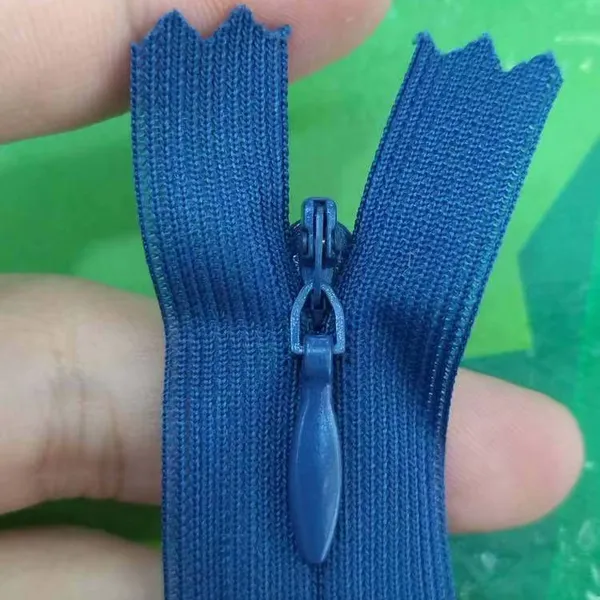 Read More
-
Zipper Tape and Teeth Materials: What Each Layer Is Made Of
October 29, 2026A zipper is built from 4 material layers that are chosen together: the woven tape, the teeth, the sewing thread and the coating ap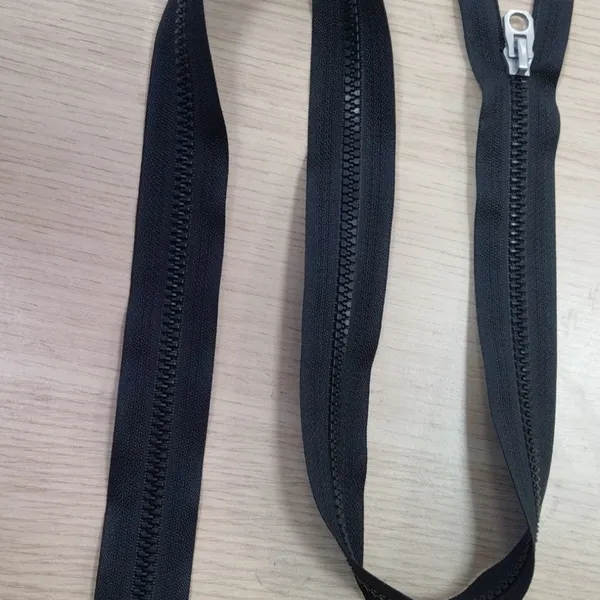 Read More
-
Metal Zipper Manufacturing: Wire Forming, Teeth Stamping and Assembly
October 29, 2026Metal zipper manufacturing turns a coil of brass or aluminium wire into a finished chain in 4 main stages. The wire is formed into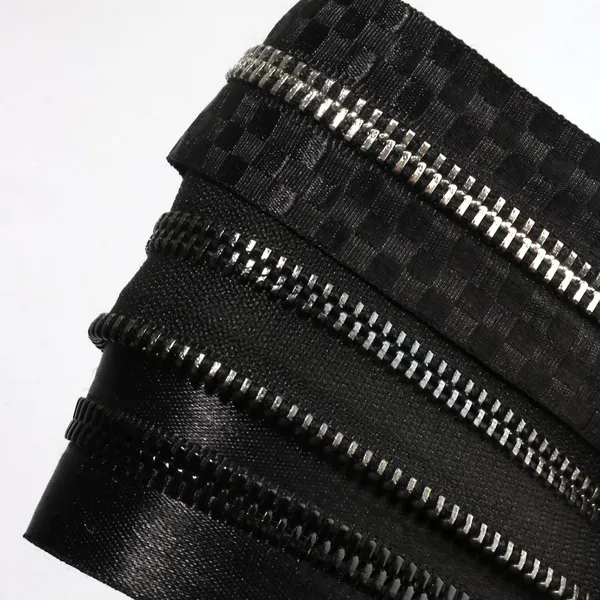 Read More
-
Packing, Carton Loading and Incoterms for Zipper Orders
October 28, 2026Zipper export packing is the part of an order that a buyer sees last and remembers longest, because a crushed carton is the first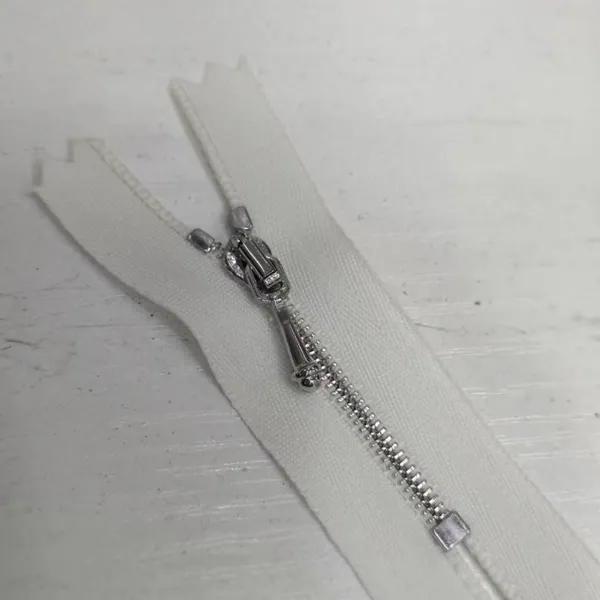 Read More

Contact Us
Recommended Products
-
 Clothing Accessories Lead Free Brass Metal Ring Prong Snap Button With 4 Parts for Infant Baby Clothes Baby BibsUS$ 0.01 - 0.03MOQ: 5000 Sets
-
Brass Metal Stainless Steel Material Ring Prong Snap Button With 4 Parts Lead Free & Nickel Free for Infant Baby Clothes Baby Bibs Baby SuitsUS$ 0.01 - 0.03MOQ: 5000 Sets
-
Metal Grommets Eyelets Gold Eyelet for Bag Shoes and Garment AccessoriesUS$ 0.01 - 0.03MOQ: 5000 Sets
-
Cheap Price Custom Jeans Button Metal Custom Logo Metal Button for JeansUS$ 0.01 - 0.03MOQ: 5000 Sets
-
Factory Wholesale Hat Bag Clothing Press Snap Button Spring Snap Button Metal Snap ButtonsUS$ 0.03 - 0.06MOQ: 5000 Sets
-
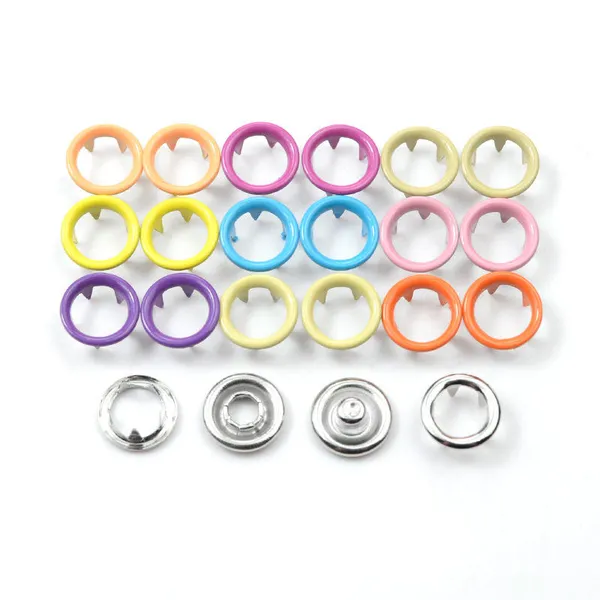
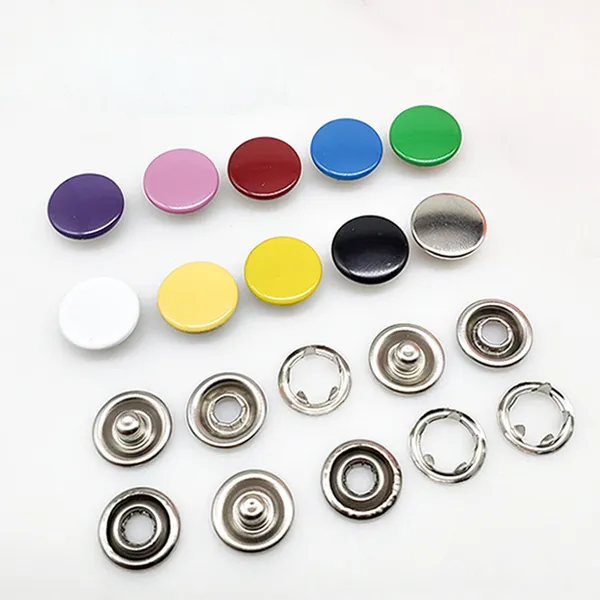
Wholesale Plastic Round Coloured Snaps Button Press Fasteners for Baby Bibs/ Baby GarmentsUS$ 0.01 - 0.03MOQ: 50000 Sets
-
Custom EngravedCopper I Brass Metal Jeans Button Denim Clothes Jacket for Jeans DenimUS$ 0.01 - 0.03MOQ: 5000 Sets
-
17mm Open Hole Shank Button With Aluminum Nail With Logo for Jeans Jacket PantsUS$ 0.01 - 0.03MOQ: 5000 Sets
-
Eco-friendly Custom Size Plastic Snaps Plastic Snap Button for Baby Clothes, Baby BibsUS$ 0.01 - 0.03MOQ: 50000 Sets
-
12mm 15mm 17mm 20mm Four Parts Metal Brass Fastener Press Snap Button for Clothes JacketUS$ 0.03 - 0.06MOQ: 5000 Sets
-
Custom Logo Personalized High Quality Metal Press Snap Fastener Snap Buttons for Clothing Garments JacketUS$ 0.03 - 0.06MOQ: 5000 Sets
-
Custom Printing Round Press Spring Four Part Snap Button for Clothing Leather 405#17mmUS$ 0.03 - 0.06MOQ: 5000 Sets
-
OEM Garment Accessories Custom Baby Snap Button Press Metal Prong Pearl Ring Snap ButtonUS$ 0.01 - 0.03MOQ: 5000 Sets
-
Factory Stock Buttons Stainless Steel or Brass Material Colors Pearl Snap Button Prong Pearl Snap Button for Shirts ClothingUS$ 0.01 - 0.03MOQ: 5000 Sets
-
Easy Installation 12.3mm Plastic Snap Button Custom Engraved Logo For Fabric Closure HardwareNegotiableMOQ: 50000 Pieces
-
Impact Resistant 1311 T5 Plastic Snap Fastener 12.3mm Factory OEM For Fabric Closure PartsNegotiableMOQ: 50000 Pieces
-
Factory Direct Wholesale Plastic Snap Button12.3mm POM for Bed Sheets and Duvet CoversNegotiableMOQ: 50000 Pieces
-
Square Plastic Snap Button 8.5mm for Baby Garments, Soft Edge Non-Scratch, Steam Disinfection SafeNegotiableMOQ: 50000 Pieces
-
Impact Resistant Square Snap Fastener 8.5x8.5mm Plastic POM for Outer Apparel and WorkwearNegotiableMOQ: 50000 Pieces
-
Matte Finish Reinforced Plastic Snap Fastener 1311 T5 12.3mm for Bags and LuggageNegotiableMOQ: 50000 Pieces