
 Business License
Blog Categories
Packing, Carton Loading and Incoterms for Zipper Orders
Zipper export packing is the part of an order that a buyer sees last and remembers longest, because a crushed carton is the first thing noticed at the warehouse. A zip is a light and flexible item, and it is easy to pack badly. Settling the packing and the Incoterms before production means the goods can leave the factory on the date the schedule promised.
This article explains how zipper export packing is chosen, how a zipper carton loading plan is built, and what the main Incoterms mean on a zipper order. It closes with the 4 checks a buyer makes before shipment.
1. Why Zipper Export Packing Is Specified Early
Zipper export packing has to be settled before the chain is wound, because the winding format decides the carton size. A coil chain can be wound on a reel, folded into a bundle or wound into a figure format, and each one fills a carton differently. Changing the format after production means rewinding the whole order.
The second reason to settle it early is weight. A carton packed to 20 kilograms can be handled by one person, while a carton at 28 kilograms needs 2 people or a trolley, and that difference changes the unloading cost at the destination. A buyer who specifies a maximum carton weight gets a plan that works at the far end.
The third reason is cost. Packing material, carton board grade and the number of cartons all move the freight figure, and freight is quoted on the packed volume rather than on the weight alone. Difei Button (Guangzhou) Co Ltd quotes the packing format with the price, so the 2 are never separated.
Freight is booked against the packed figure, and a packing change made late can push an order into the next weight band. A supplier that is told about a change after the reels are wound will already have ordered the cartons. That is why a packing change is treated as a change to the order rather than as a note.
2. Zipper Export Packing: Rolls, Bags and Cartons
Zipper export packing usually has 3 layers: an inner wrap, a bundle or reel, and the outer carton. The inner wrap keeps dust off the tape, the reel keeps the chain from tangling, and the carton protects both. A carton that skips the inner wrap will often arrive with a scuffed tape face.
A long chain is usually wound on a cardboard reel of 300 mm to 400 mm diameter, and a short finished zip is laid flat in bundles of 50 to 100 pieces. Metal chains are wrapped so that the teeth cannot rub against each other in transit. The chosen format is written on the packing list for each part number.
A moisture barrier is added when a carton crosses a humid route. A sealed poly bag with a desiccant sachet holds the humidity below 60 percent inside the carton, and it prevents the light surface bloom that brass can develop at sea. The sachet costs very little, and the claim it avoids is not small.
A reel label is part of the packing rather than a formality. It carries the part number, the metres on the reel, the batch number and the finish, so a warehouse can pull one reel without unwinding another. A label that is written by hand and smudged in transit costs more time at the far end than the label itself ever saved at the factory.
3. Zipper Carton Loading: Carton Sizes and Weights
Zipper carton loading starts from the standard export carton, which measures about 600 by 400 by 400 mm and takes about 60 litres. A carton of that size holds roughly 1,000 metres of a size 5 coil chain, or about 500 finished zips of 200 mm. The exact figure depends on the reel and on the bundle.
Carton board grade matters as much as size. A 5 ply board takes a stack of 6 cartons without crushing the bottom one, while a 3 ply board will fail at 4 high. A buyer shipping by sea should ask for the stack height the supplier has tested.
Loading is then planned from the carton count. A 20 foot container takes about 28 cubic metres and a 40 foot high cube takes about 68, so the number of cartons per container is a division rather than a guess. Difei sends the carton plan with the shipping documents.
4. How a Zipper Carton Loading Plan Is Built
A zipper carton loading plan is built in 4 steps. The first is the finished length and the winding format. The second is the pieces or metres per carton, which follows from the reel size. The third is the carton count for the order, and the fourth is the container fill ratio.
The fill ratio is the figure that decides the freight. A container loaded to 85 percent of its volume is a normal plan, while a load at 60 percent means the buyer pays for space that carries nothing. Filling the gap with a second part number is the usual fix, and it is arranged before the booking.
A plan is then checked against the gross weight limit of the destination. A 40 foot container takes about 26 tonnes of gross weight in most trades, and zips are light, so the volume limit is reached long before the weight limit. That is why a zip order is quoted on cubic metres rather than on tonnes.
5. Incoterms Zipper Order Terms Explained
An Incoterms zipper order names the point at which risk and cost pass from the seller to the buyer, and the choice changes what the quoted price includes. The 3 terms used most often on trim orders are FOB, CIF and EXW. Each one is a different answer to the same question.
| Term | Seller covers | Buyer covers |
|---|---|---|
| EXW | Packing at the factory | Collection, freight, duty |
| FOB | Delivery to the named port, loading | Sea freight and insurance |
| CIF | Delivery, freight and insurance to port | Import clearance, inland |
Under EXW the buyer collects from the factory and carries everything from that point. Under FOB the seller delivers to the named port and loads, and the buyer takes the sea freight. Under CIF the seller also pays the freight and the insurance to the destination port.
The Incoterms zipper order should name the port as well as the term, because FOB without a port is not a complete term. A buyer who writes FOB Shanghai and a seller who reads FOB Shenzhen are quoting 2 different prices. Writing the full term removes the gap.
6. Choosing Between FOB and CIF on a Zipper Order
Choosing between FOB and CIF usually comes down to who has the better freight rate. A buyer with a forwarder and a regular volume will often do better on FOB, while a buyer shipping a single pallet may prefer CIF. Neither term is cheaper in itself.
The second factor is control. On FOB the buyer chooses the line, the sailing and the transit time, and can chase the booking directly. On CIF the seller books, which is simpler but leaves the buyer one step away from the schedule.
The third factor is insurance. On CIF the cover is arranged by the seller to a minimum level, and a buyer who wants broader cover arranges it separately. That gap is worth checking on an Incoterms zipper order before the price is compared, because the 2 figures are not like for like.
Payment terms are usually agreed with the term and the port on the same page of the contract. A first order is often settled by a deposit and a balance against the bill of lading, while a repeat order may run on 30 day terms. Keeping the 3 items together on one page prevents a delay at the bank.
7. Export Packing Marks and Carton Marking
Export packing marks are printed on 2 faces of each carton, and they carry the buyer reference, the part number, the quantity and the carton number. The marks let a warehouse find one part number without opening the stack. A carton with a missing mark is opened at the far end, which costs time.
The carton number is written as a fraction, such as 7 of 40, so the receiver knows at a glance whether a carton is missing. That single line catches a short shipment before the container is unpacked. It takes no extra material.
Handling marks are added for a heavy carton. A carton above 25 kilograms carries a two person lift symbol, and a carton that must stay upright carries the arrows. Difei prints the marks to the buyer reference so the receiving warehouse reads one consistent set.
One more mark is worth adding on a mixed container. When 2 or more part numbers share a carton, the carton should list every part inside it and the quantity of each. A warehouse that finds one part number on a carton and another inside it will open the rest of the stack to check.
8. Checking a Zipper Order Before Shipment
Checking a zipper order before shipment covers 4 areas: the part number and the quantity, the packing format, the carton marks and the shipping documents. A count check is run against the packing list rather than from memory. A short count found at the factory costs a rework, while the same short count found at the destination costs a claim.
The packing format is confirmed on the first and the last carton of each part number. The middle of a run is assumed to follow, and the 2 sampled cartons are photographed for the file. A photograph settles most packing disputes without an argument.
The documents are the last check. A packing list, an invoice and a certificate of origin travel with the goods, and the weights on the invoice should match the carton plan. Difei sends the document set for approval before the container is sealed.
9. Frequently Asked Questions
9.1 What is zipper export packing and why does it matter?
Zipper export packing is the inner wrap, the reel or bundle, and the outer carton that carry a zip order from the factory to the buyer. It matters because a zip is flexible and light, so a poorly packed carton can crush a tape face, tangle a chain or take on moisture at sea. The packing format also decides the carton size and the freight volume, and both are fixed before production. A buyer who agrees the format early avoids a rewinding cost later.
9.2 How is a zipper carton loading plan built?
A zipper carton loading plan is built from 4 figures: the winding format, the pieces or metres per carton, the carton count and the container fill ratio. The winding format sets the carton size, and the carton size sets how many units fit. The plan is then checked against the volume of a 20 foot or 40 foot container, because a zip load reaches the volume limit long before it reaches the weight limit. A load at 85 percent of the container volume is normal.
9.3 What does Incoterms zipper order mean in practice?
An Incoterms zipper order names the point at which cost and risk pass from the seller to the buyer, and that point decides what the quoted price contains. EXW leaves the buyer to collect from the factory, FOB adds delivery to the named port and loading, and CIF adds sea freight and insurance to the destination port. The term must be written with a port, because FOB alone is not a complete term. A buyer comparing 2 prices should confirm that both use the same term and the same port.
9.4 What should be checked before a zipper order ships?
Four areas are checked before a zipper order ships: the part number and the quantity, the packing format, the carton marks and the shipping documents. The count is run against the packing list rather than from memory, and the first and last carton of each part number are opened to confirm the packing format. A packing list, an invoice and a certificate of origin travel with the goods, and the weights on the invoice are matched to the carton plan. The document set is approved before the container is sealed.
Recently Posted
-
Nylon Zipper Variants: Coil, Invisible and Water-Repellent Tapes
October 29, 2026Almost every zip sold as a nylon zip is built on the same coil chain, and the differences between products sit in the tape rather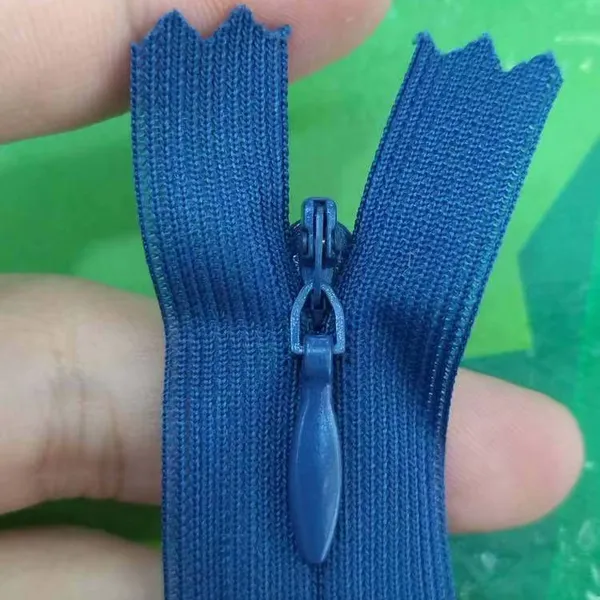 Read More
-
Zipper Tape and Teeth Materials: What Each Layer Is Made Of
October 29, 2026A zipper is built from 4 material layers that are chosen together: the woven tape, the teeth, the sewing thread and the coating ap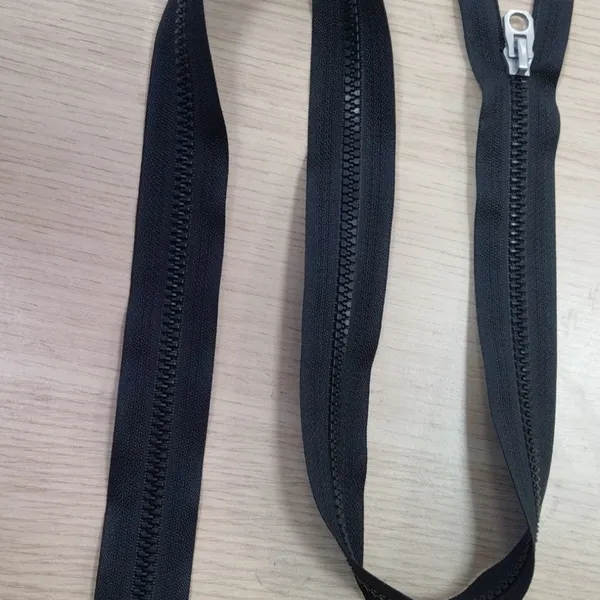 Read More
-
Metal Zipper Manufacturing: Wire Forming, Teeth Stamping and Assembly
October 29, 2026Metal zipper manufacturing turns a coil of brass or aluminium wire into a finished chain in 4 main stages. The wire is formed into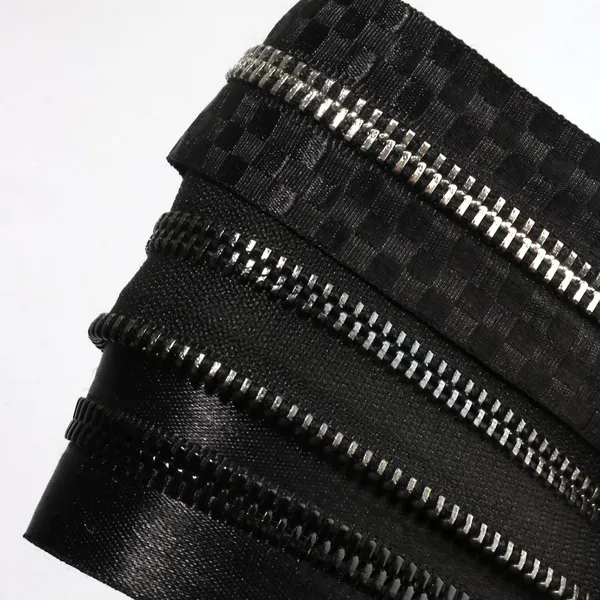 Read More
-
Zipper Strength Testing: Pull Apart, Holding and Slider Lock Tests
October 28, 2026A zipper strength test measures how much load a chain can take before it separates, and how well a slider holds that chain closed.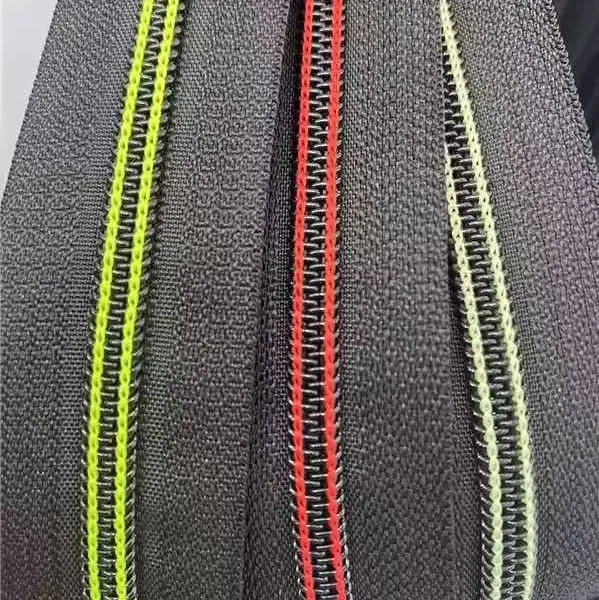 Read More

Contact Us
Recommended Products
-
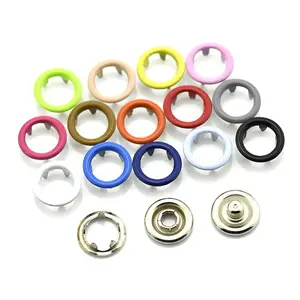
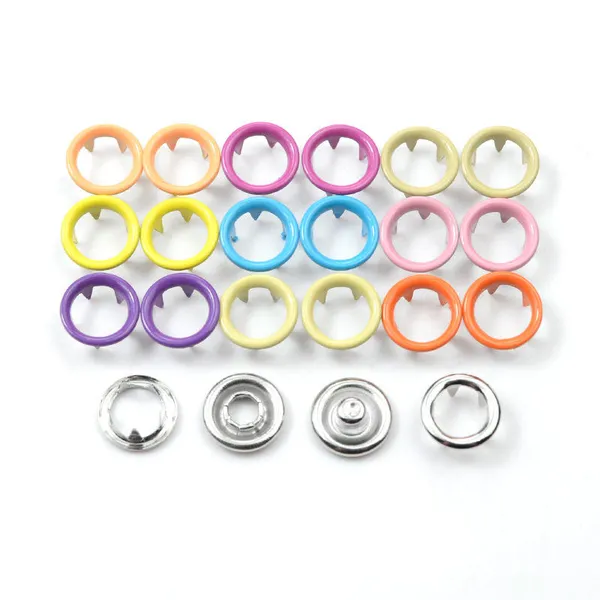
 Clothing Accessories Lead Free Brass Metal Ring Prong Snap Button With 4 Parts for Infant Baby Clothes Baby BibsUS$ 0.01 - 0.03MOQ: 5000 Sets
-
Brass Metal Stainless Steel Material Ring Prong Snap Button With 4 Parts Lead Free & Nickel Free for Infant Baby Clothes Baby Bibs Baby SuitsUS$ 0.01 - 0.03MOQ: 5000 Sets
-
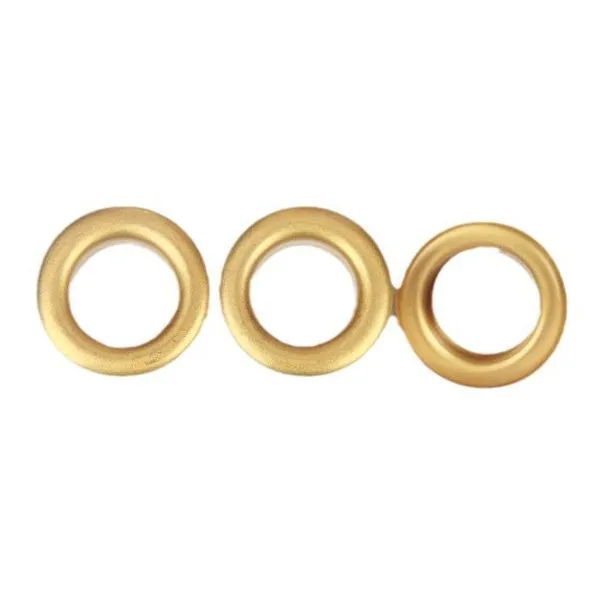
Metal Grommets Eyelets Gold Eyelet for Bag Shoes and Garment AccessoriesUS$ 0.01 - 0.03MOQ: 5000 Sets
-
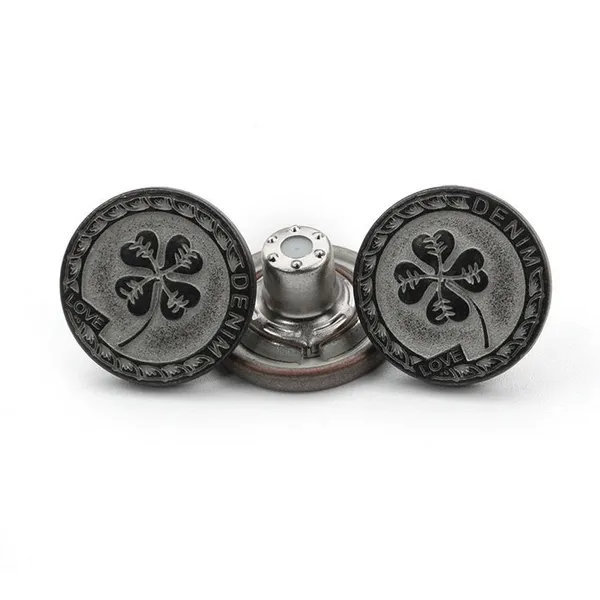
Cheap Price Custom Jeans Button Metal Custom Logo Metal Button for JeansUS$ 0.01 - 0.03MOQ: 5000 Sets
-
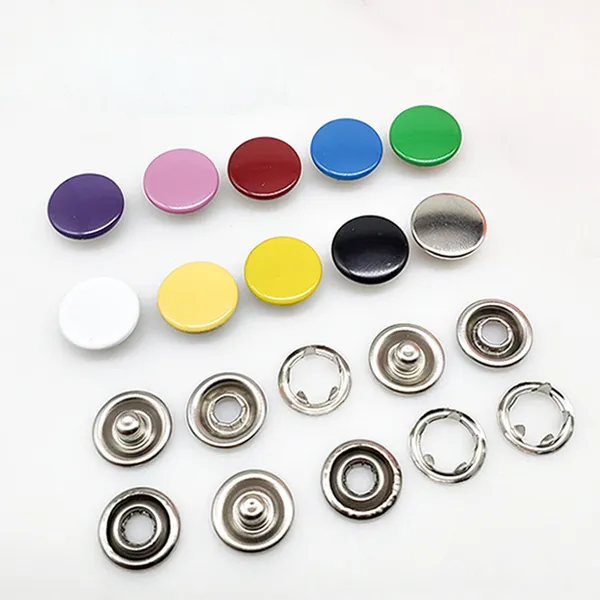
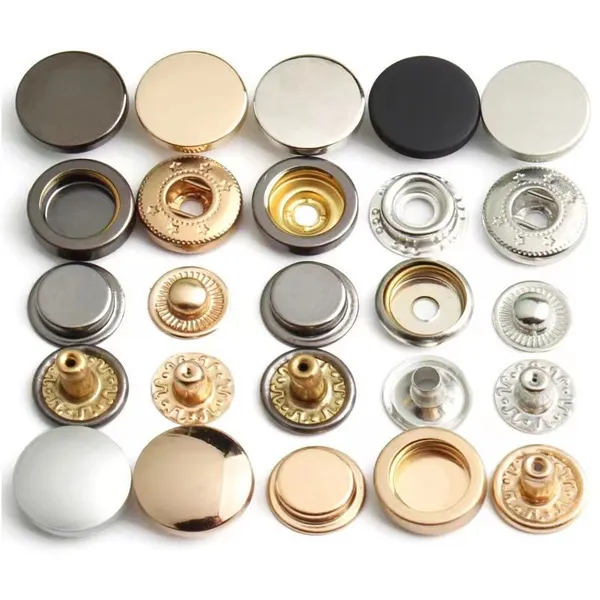
Factory Wholesale Hat Bag Clothing Press Snap Button Spring Snap Button Metal Snap ButtonsUS$ 0.03 - 0.06MOQ: 5000 Sets
-
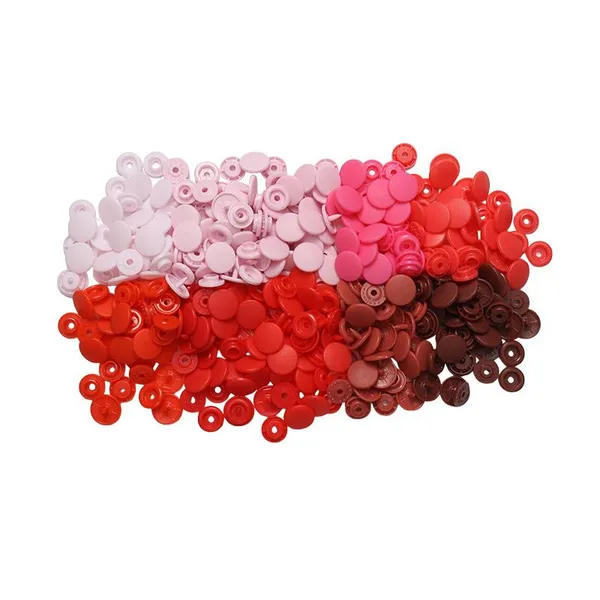
Wholesale Plastic Round Coloured Snaps Button Press Fasteners for Baby Bibs/ Baby GarmentsUS$ 0.01 - 0.03MOQ: 50000 Sets
-
Custom EngravedCopper I Brass Metal Jeans Button Denim Clothes Jacket for Jeans DenimUS$ 0.01 - 0.03MOQ: 5000 Sets
-
17mm Open Hole Shank Button With Aluminum Nail With Logo for Jeans Jacket PantsUS$ 0.01 - 0.03MOQ: 5000 Sets
-
Eco-friendly Custom Size Plastic Snaps Plastic Snap Button for Baby Clothes, Baby BibsUS$ 0.01 - 0.03MOQ: 50000 Sets
-
12mm 15mm 17mm 20mm Four Parts Metal Brass Fastener Press Snap Button for Clothes JacketUS$ 0.03 - 0.06MOQ: 5000 Sets
-
Custom Logo Personalized High Quality Metal Press Snap Fastener Snap Buttons for Clothing Garments JacketUS$ 0.03 - 0.06MOQ: 5000 Sets
-
Custom Printing Round Press Spring Four Part Snap Button for Clothing Leather 405#17mmUS$ 0.03 - 0.06MOQ: 5000 Sets
-
OEM Garment Accessories Custom Baby Snap Button Press Metal Prong Pearl Ring Snap ButtonUS$ 0.01 - 0.03MOQ: 5000 Sets
-
Factory Stock Buttons Stainless Steel or Brass Material Colors Pearl Snap Button Prong Pearl Snap Button for Shirts ClothingUS$ 0.01 - 0.03MOQ: 5000 Sets
-
Easy Installation 12.3mm Plastic Snap Button Custom Engraved Logo For Fabric Closure HardwareNegotiableMOQ: 50000 Pieces
-
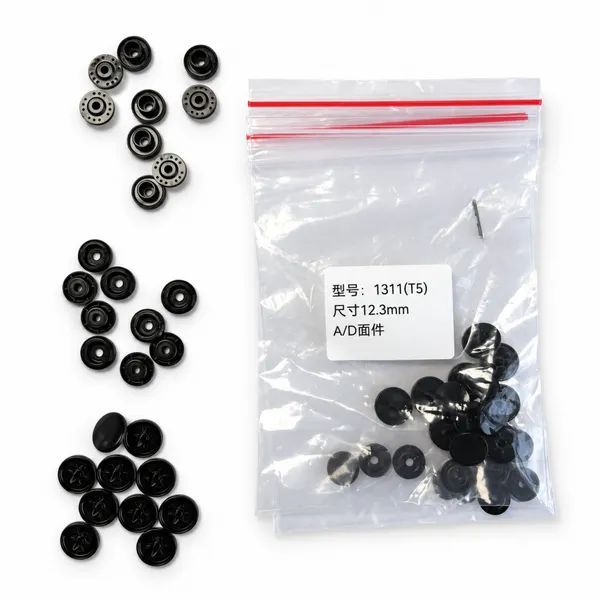
Impact Resistant 1311 T5 Plastic Snap Fastener 12.3mm Factory OEM For Fabric Closure PartsNegotiableMOQ: 50000 Pieces
-
Factory Direct Wholesale Plastic Snap Button12.3mm POM for Bed Sheets and Duvet CoversNegotiableMOQ: 50000 Pieces
-
Square Plastic Snap Button 8.5mm for Baby Garments, Soft Edge Non-Scratch, Steam Disinfection SafeNegotiableMOQ: 50000 Pieces
-
Impact Resistant Square Snap Fastener 8.5x8.5mm Plastic POM for Outer Apparel and WorkwearNegotiableMOQ: 50000 Pieces
-
Matte Finish Reinforced Plastic Snap Fastener 1311 T5 12.3mm for Bags and LuggageNegotiableMOQ: 50000 Pieces