
 Business License
Blog Categories
Metal Zipper Manufacturing: Wire Forming, Teeth Stamping and Assembly
Metal zipper manufacturing turns a coil of brass or aluminium wire into a finished chain in 4 main stages. The wire is formed into a Y shaped profile, the profile is cut into individual teeth, the teeth are clamped onto the tape, and the slider and the stops are fitted. Each stage holds its own tolerance, and a fault introduced early is hard to correct later.
This article follows metal zipper manufacturing from wire forming through zipper teeth stamping to the zipper assembly line, and it explains the quality gates that sit between the stages. It closes with the figures a buyer can ask for on a process sheet.
1. Metal Zipper Manufacturing in Four Stages
Metal zipper manufacturing runs through 4 stages that are usually on one line. Wire forming produces a continuous Y profile, stamping cuts that profile into teeth, a chain machine clamps the teeth to the tape, and an assembly station fits the slider and the stops. The 4 stages run at different speeds and are buffered with small stock.
| Stage | What it does | Typical speed |
|---|---|---|
| Wire forming | Bends wire into a Y profile | Continuous |
| Stamping | Cuts the profile into teeth | 300 to 400 teeth a minute |
| Chain assembly | Clamps teeth onto the tape | 600 metres an hour |
| Slider fitting | Fits the slider and the stops | Feeder or by hand |
The order of the stages follows the material rather than the layout. A metal tooth is formed from wire and then cut, while a resin tooth is moulded directly onto the tape. That difference is why the 2 chains are made on different lines even when they look alike.
A stage that runs slow sets the pace for the whole line. A stamping press that produces 300 teeth a minute against a chain machine that consumes 400 will starve the machine unless a second press runs. Balancing the stages is the main scheduling job in metal zipper manufacturing.
2. Wire Forming Before Zipper Teeth Stamping
Wire forming is the first step, and it sets the tooth profile that zipper teeth stamping will later cut. A brass wire of 2 mm to 3 mm diameter is drawn through a series of rolls that bend it into a Y shape. The profile is checked with a gauge on the roll set, and a worn roll shows as a drifted profile within a shift.
The wire alloy decides how the finished tooth behaves. A brass with a higher copper content forms more easily and darkens more slowly, while a lower grade saves cost and tarnishes sooner. A buyer specifying a finish should confirm the alloy behind it, because the 2 are linked.
Wire is also the place where a colour fault is caught early. A change of supplier can move the tone of the finished plate even when the alloy name is the same, because the trace elements differ. A finish approved on one supplier wire is therefore re checked when the wire source changes.
Wire is bought in coils of about 100 kilograms and is drawn to size before forming. A coil that has taken a set in storage will run unevenly and produce teeth of varying height. Difei Button (Guangzhou) Co Ltd inspects incoming wire for diameter and temper before it reaches the roll set.
3. Zipper Teeth Stamping: Dies and Tolerances
Zipper teeth stamping cuts the formed profile into single teeth at a rate set by the press. A die that has stamped 500,000 teeth will begin to wear at the cutting edge, and the tooth will burr. Burrs are the fault that shows first on a zipper, because they catch the slider channel.
Tooth height is held to about 0.05 mm on a size 5 chain, and the width to about 0.1 mm. Both figures are checked with a gauge on a sample every 30 minutes. A drift beyond those limits is corrected by changing the die rather than by adjusting the press.
The die is the most expensive tool on the line, and its life sets the maintenance plan. A die that is sharpened after 500,000 strokes will hold tolerance for many cycles, while one run to failure will produce a batch of burred teeth. Difei logs the die number and the stroke count on the stamping record.
4. Building a Zipper Assembly Line
A zipper assembly line brings the stamped teeth, the tape and the slider together in one flow. The tape is fed from a roll, the teeth are clamped at a fixed pitch, and the chain is wound on a reel at the far end. The line runs at a speed set by the clamping station rather than by the press.
Pitch is the figure that holds the line together. A size 5 metal chain sits at about 4.5 mm pitch, and the clamping station must place each tooth within 0.05 mm of that figure. A pitch that drifts produces a chain that closes on the bench and skips in use.
A line is set up for one size and one tape at a time, and a changeover takes 2 to 3 hours. The first 20 metres of a new run are checked and scrapped before the rest is wound. That habit keeps a changeover fault out of the finished reels.
A changeover is also the point where most contamination enters a run. A scrap of the previous tape left in the guide will show up as a foreign thread on the first metres of the new chain. Clearing the guides and running 2 metres to waste is a low cost habit that protects the rest of the run.
5. Zipper Assembly Line: Threading and Stops
On the zipper assembly line the tape is threaded through the clamping station and the teeth are set at pitch. The chain then passes a stop station, where a metal stop is crimped or pressed onto the tape at each end of the finished length. A stop fitted at the wrong count is a fault that shows on every piece in the batch.
The stop station runs at the same speed as the clamping station, and the 2 are linked by a sensor that counts teeth. A miscount of one tooth moves every stop by about 4.5 mm on a size 5 chain, which changes the finished length. The count is checked on the first 3 pieces of a run.
The slider is fitted after the stops, usually by hand on a short run and by a feeder on a long one. A slider fitted before the top stop is crimped has to be removed, so the sequence matters. Difei fits the slider after the stops on every size.
6. Metal Zipper Manufacturing Quality Gates
Metal zipper manufacturing has 4 quality gates that sit between the stages. The first is the incoming wire check, the second is the profile gauge on the roll set, the third is the tooth gauge after stamping, and the fourth is the finished chain inspection. Each gate can stop the line.
The gate after stamping is the one that saves the most material. A burred tooth found there is scrapped as a tooth, while the same tooth found after assembly is scrapped as a finished chain. Catching a fault one stage early cuts the loss by about 80 percent.
The finished chain inspection covers the pitch, the tooth height, the stop position and the slider fit. A sample of 20 pieces is taken per 1,000 metres and measured against the drawing. The record is kept with the batch, so a later claim can be traced to a gate.
A gate is useful when the figure it records can be traced back to a batch. The wire batch, the die number and the tape roll number are written on the chain record so a fault can be followed to its source. Without that link, a gate produces numbers rather than a cause.
7. Zipper Assembly Line Throughput and Changeover
Zipper assembly line throughput is quoted in metres per hour, and it depends on the size and the tape. A line running a size 5 chain on a standard tape will produce about 600 metres an hour, while a size 10 chain on a heavy tape runs at about 300. The heavier chain takes more time at the clamping station.
Changeover is the second figure that matters on a schedule. A size change takes 2 to 3 hours including the first article check, and a tape change alone takes about 40 minutes. A plan that groups the same size together saves most of that time.
A line that runs 2 shifts a day at 600 metres an hour produces about 9,000 metres in a 16 hour day, before any downtime. A realistic plan allows 10 percent for stops and a further 5 percent for changeovers. Difei quotes a lead time from the realistic figure rather than from the peak.
8. How Zipper Teeth Stamping Tolerances Are Held
Zipper teeth stamping tolerances are held by 3 controls: a die that is sharpened on a stroke count, a gauge that is checked every 30 minutes, and a sample that is scrapped at each changeover. Each control catches a different drift. Removing one of the three shortens the die life or the tolerance life.
The stroke count is the control that most factories skip, because the die still cuts after it has worn. A die run 200,000 strokes past its service point will still produce a tooth, but the burr will be 0.03 mm high and the slider will feel it. The count is logged per die rather than per shift.
A buyer can ask for the die log and the gauge record on a new part. The 2 documents show whether the tolerances were controlled rather than merely met on the sample. Difei keeps both records with the batch for 12 months.
9. Frequently Asked Questions
9.1 What are the main stages of metal zipper manufacturing?
Metal zipper manufacturing runs through 4 stages: wire forming, zipper teeth stamping, chain assembly and slider fitting. Wire forming bends a brass or aluminium wire into a Y profile, stamping cuts that profile into single teeth, the chain machine clamps the teeth to the tape at a fixed pitch, and the assembly station fits the slider and the two stops. Each stage holds its own tolerance, so a fault introduced at the press is hard to correct at the assembly station. The stages are buffered with small stock so that one slow station does not stop the line.
9.2 How does zipper teeth stamping hold tolerance?
Zipper teeth stamping holds tolerance through a die that is sharpened on a stroke count and a gauge that is checked every 30 minutes. Tooth height is held to about 0.05 mm on a size 5 chain and the width to about 0.1 mm, and both are measured on a sample rather than by eye. A die that runs 200,000 strokes past its service point will still cut a tooth, but the burr it leaves will catch the slider channel. Logging the stroke count per die is what keeps the tolerance inside the limit.
9.3 How is a zipper assembly line balanced?
A zipper assembly line is balanced by matching the output of each station to the slowest one, which is usually the clamping station. A stamping press that produces 300 teeth a minute against a chain machine that consumes 400 will starve the machine, so a second press runs. Throughput is quoted in metres per hour, at about 600 metres for a size 5 chain and about 300 for a size 10. Small buffers of a few hundred pieces between stations absorb a short stop without halting the whole line.
9.4 What quality gates sit inside metal zipper manufacturing?
Metal zipper manufacturing has 4 quality gates between the stages. The first is the incoming wire check for diameter and temper, the second is the profile gauge on the roll set, the third is the tooth gauge after stamping, and the fourth is the finished chain inspection. The gate after stamping saves the most material, because a burred tooth found there is scrapped as a tooth while the same fault found after assembly is scrapped as a finished chain, which cuts the loss by about 80 percent.
Recently Posted
-
Nylon Zipper Variants: Coil, Invisible and Water-Repellent Tapes
October 29, 2026Almost every zip sold as a nylon zip is built on the same coil chain, and the differences between products sit in the tape rather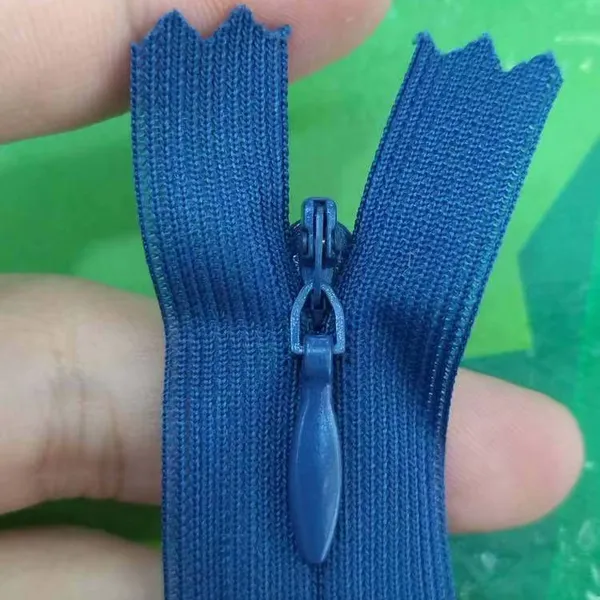 Read More
-
Zipper Tape and Teeth Materials: What Each Layer Is Made Of
October 29, 2026A zipper is built from 4 material layers that are chosen together: the woven tape, the teeth, the sewing thread and the coating ap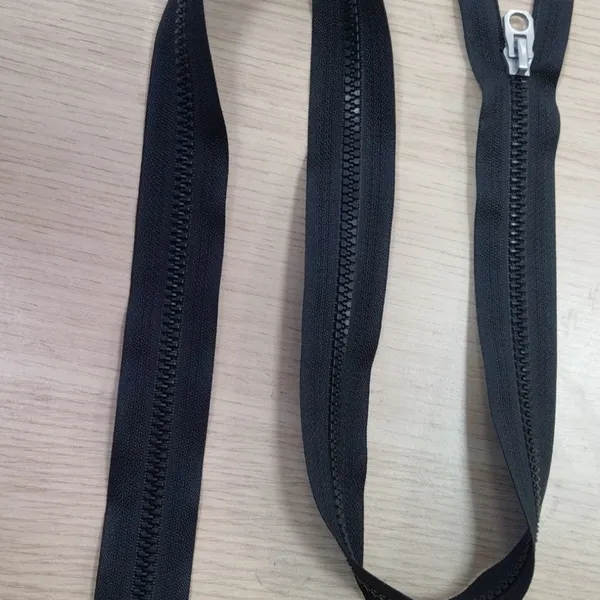 Read More
-
Zipper Strength Testing: Pull Apart, Holding and Slider Lock Tests
October 28, 2026A zipper strength test measures how much load a chain can take before it separates, and how well a slider holds that chain closed.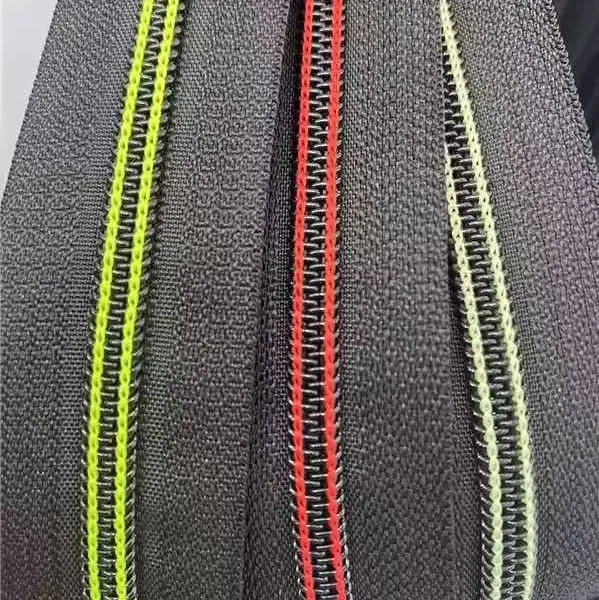 Read More
-
Packing, Carton Loading and Incoterms for Zipper Orders
October 28, 2026Zipper export packing is the part of an order that a buyer sees last and remembers longest, because a crushed carton is the first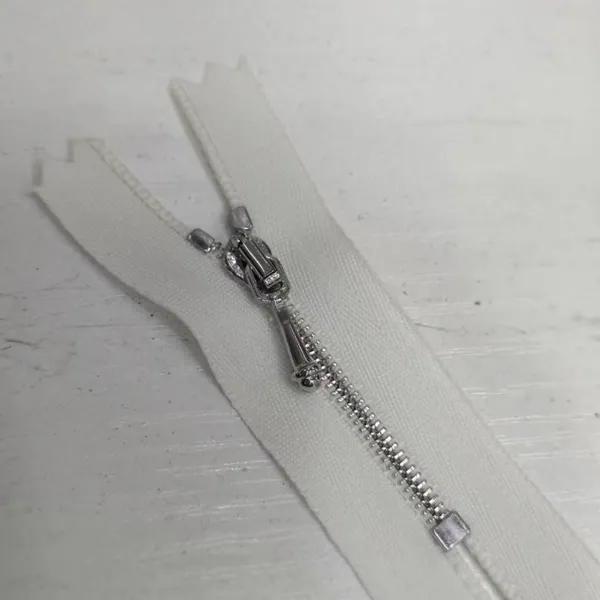 Read More

Contact Us
Recommended Products
-
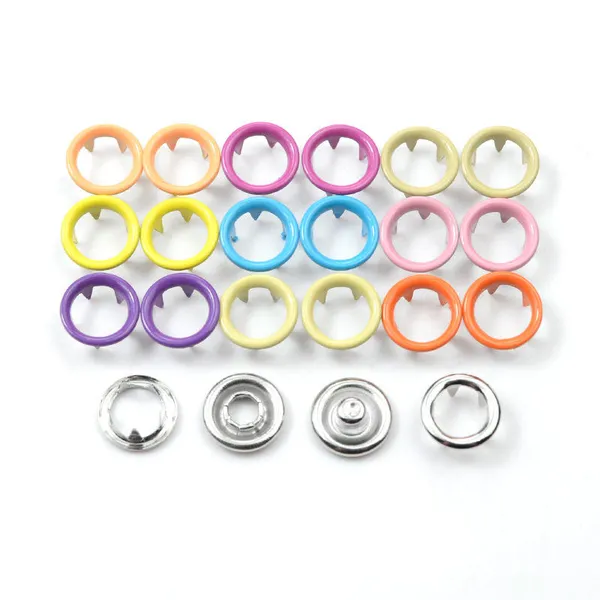
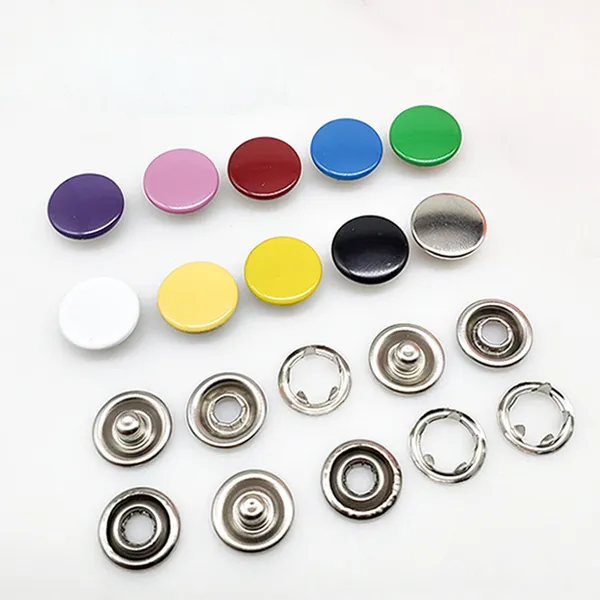
 Clothing Accessories Lead Free Brass Metal Ring Prong Snap Button With 4 Parts for Infant Baby Clothes Baby BibsUS$ 0.01 - 0.03MOQ: 5000 Sets
-
Brass Metal Stainless Steel Material Ring Prong Snap Button With 4 Parts Lead Free & Nickel Free for Infant Baby Clothes Baby Bibs Baby SuitsUS$ 0.01 - 0.03MOQ: 5000 Sets
-
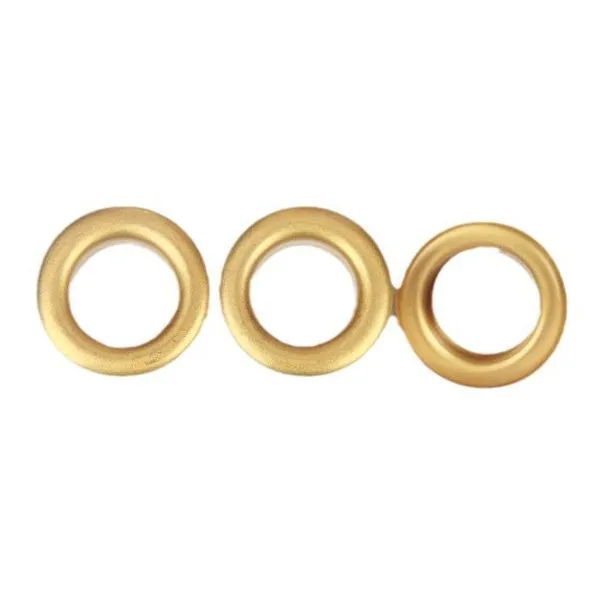
Metal Grommets Eyelets Gold Eyelet for Bag Shoes and Garment AccessoriesUS$ 0.01 - 0.03MOQ: 5000 Sets
-
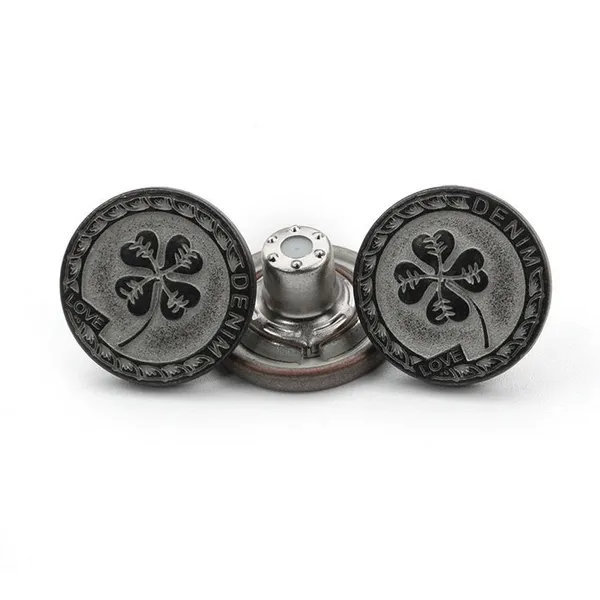
Cheap Price Custom Jeans Button Metal Custom Logo Metal Button for JeansUS$ 0.01 - 0.03MOQ: 5000 Sets
-
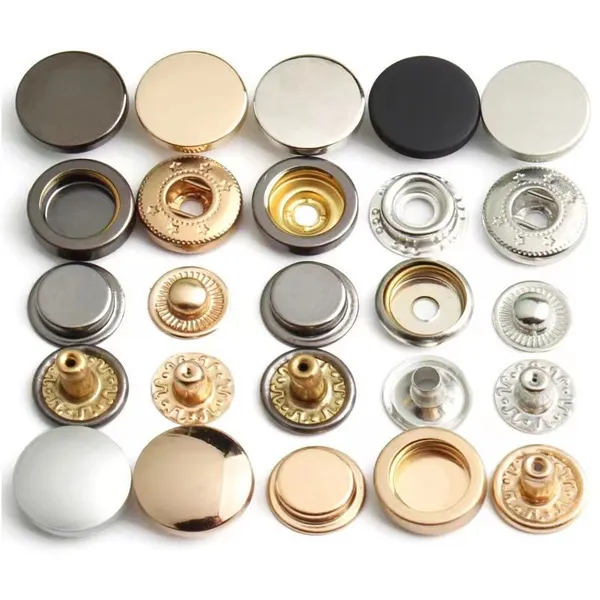
Factory Wholesale Hat Bag Clothing Press Snap Button Spring Snap Button Metal Snap ButtonsUS$ 0.03 - 0.06MOQ: 5000 Sets
-
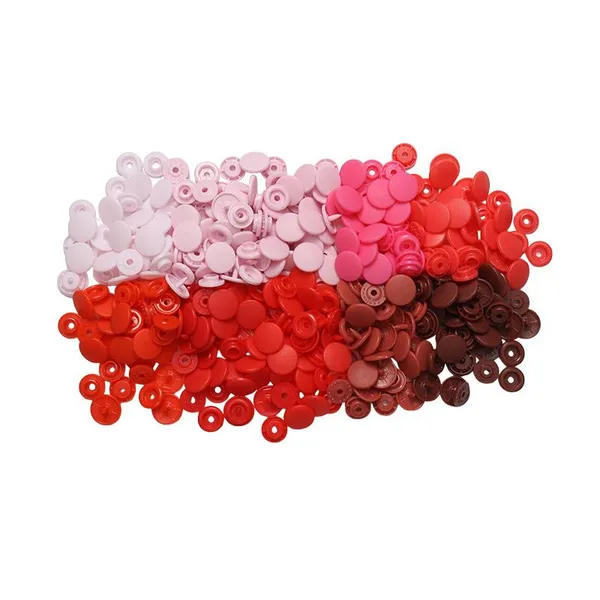
Wholesale Plastic Round Coloured Snaps Button Press Fasteners for Baby Bibs/ Baby GarmentsUS$ 0.01 - 0.03MOQ: 50000 Sets
-
Custom EngravedCopper I Brass Metal Jeans Button Denim Clothes Jacket for Jeans DenimUS$ 0.01 - 0.03MOQ: 5000 Sets
-
17mm Open Hole Shank Button With Aluminum Nail With Logo for Jeans Jacket PantsUS$ 0.01 - 0.03MOQ: 5000 Sets
-
Eco-friendly Custom Size Plastic Snaps Plastic Snap Button for Baby Clothes, Baby BibsUS$ 0.01 - 0.03MOQ: 50000 Sets
-
12mm 15mm 17mm 20mm Four Parts Metal Brass Fastener Press Snap Button for Clothes JacketUS$ 0.03 - 0.06MOQ: 5000 Sets
-
Custom Logo Personalized High Quality Metal Press Snap Fastener Snap Buttons for Clothing Garments JacketUS$ 0.03 - 0.06MOQ: 5000 Sets
-
Custom Printing Round Press Spring Four Part Snap Button for Clothing Leather 405#17mmUS$ 0.03 - 0.06MOQ: 5000 Sets
-
OEM Garment Accessories Custom Baby Snap Button Press Metal Prong Pearl Ring Snap ButtonUS$ 0.01 - 0.03MOQ: 5000 Sets
-
Factory Stock Buttons Stainless Steel or Brass Material Colors Pearl Snap Button Prong Pearl Snap Button for Shirts ClothingUS$ 0.01 - 0.03MOQ: 5000 Sets
-
Easy Installation 12.3mm Plastic Snap Button Custom Engraved Logo For Fabric Closure HardwareNegotiableMOQ: 50000 Pieces
-
Impact Resistant 1311 T5 Plastic Snap Fastener 12.3mm Factory OEM For Fabric Closure PartsNegotiableMOQ: 50000 Pieces
-
Factory Direct Wholesale Plastic Snap Button12.3mm POM for Bed Sheets and Duvet CoversNegotiableMOQ: 50000 Pieces
-
Square Plastic Snap Button 8.5mm for Baby Garments, Soft Edge Non-Scratch, Steam Disinfection SafeNegotiableMOQ: 50000 Pieces
-
Impact Resistant Square Snap Fastener 8.5x8.5mm Plastic POM for Outer Apparel and WorkwearNegotiableMOQ: 50000 Pieces
-
Matte Finish Reinforced Plastic Snap Fastener 1311 T5 12.3mm for Bags and LuggageNegotiableMOQ: 50000 Pieces