
 Business License
Blog Categories
Zipper Length Tolerance: Specifying Cut Length on a Purchase Order
A zipper is bought by length, and the length on the bag is rarely the length the maker wrote on the purchase order. The gap between the 2 is the zipper length tolerance, and it is the figure that decides whether a zip fits a cut panel without a manual adjustment on the line. A buyer who leaves the figure out is asking the factory to choose it.
This article explains how zipper cut length is measured, sets out the tolerance bands that are normal by length, and lists what a zipper spec sheet has to carry. It closes with the checks made on an incoming carton before the zip is released to the sewing floor.
1. Why Zipper Length Tolerance Matters
Zipper length tolerance matters because a zip is sewn between 2 panels that have already been cut. If the closed zip is 5 mm shorter than the opening, the seam pulls and the fabric puckers; if it is 5 mm longer, the panel has to be eased and the seam ripples. Neither fault can be corrected after the seam is closed, so the tolerance is settled before cutting starts.
The figure also carries a commercial cost, because a wide tolerance means more pieces are rejected at final inspection. A tolerance of plus or minus 3 mm keeps almost every piece in a lot of 1,000 usable. A tolerance of plus or minus 10 mm allows a wearer to feel the difference between 2 garments of the same size.
The tolerance is agreed in writing rather than assumed, because no production line hits an exact length every time. Difei Button (Guangzhou) Co Ltd writes the band on the order and measures against it at final inspection, so a lot is judged on the agreed figure rather than on an exact number.
2. How Zipper Cut Length Is Measured
Zipper cut length is measured from the tip of the bottom stop to the top of the top stop on a closed zip. That span, and not the total tape length, is the length a buyer means when a garment opening is specified. The tape extends a few millimetres past each stop because it is trimmed after the stops are fitted.
On an open end zip the measurement runs from the bottom of the box to the top of the top stop on the side that carries the pin. On a two way chain the length is measured with both sliders parked at one end, so the figure is comparable with a single slide zip of the same size. The reference points differ, and a spec sheet has to name them.
The third measurement is the tape overhang, which is the tape that sits beyond each stop. A typical overhang is 2 to 4 mm, and it is what gives the seam allowance for sewing. A zip trimmed with no overhang cannot be sewn in without the needle running off the tape.
3. Standard Tolerance Bands by Length
Standard tolerance bands widen with length, because a longer chain accumulates more variation from winding, dyeing and stitching. A short zip of 100 to 200 mm is normally held to plus or minus 3 mm. A medium zip of 300 to 600 mm is held to plus or minus 5 mm, and a long zip of 700 mm and above to plus or minus 10 mm.
| Nominal length | Normal band | Typical use |
|---|---|---|
| 100 to 200 mm | plus or minus 3 mm | Pocket and trouser fly |
| 300 to 600 mm | plus or minus 5 mm | Jacket front and dress |
| 700 to 1,000 mm | plus or minus 10 mm | Parka and sleeping bag |
| Above 1,000 mm | plus or minus 15 mm | Tent and luggage |
The bands above are the ones the trade works to, and a buyer can ask for a tighter band at a cost. A band of plus or minus 2 mm on a 400 mm zip is achievable with an extra trim and measure step, and the extra step shows in the price. The tighter band is worth asking for where 2 zips have to line up on one garment, such as a double zip on a coat.
A tolerance is also quoted as a percentage on long chains, where plus or minus 1 percent is used above 1,500 mm. The 2 ways of writing the band have to be kept apart, because 1 percent of 2,000 mm is 20 mm. A spec sheet that mixes them will be read one way by the buyer and another way on the line.
4. The Zipper Spec Sheet: What It Must Carry
A zipper spec sheet carries the figures that cannot be left to a description, and there are 8 of them. They are the size number, the chain type, the tape material, the colour code, the nominal length, the tolerance band, the measurement reference points and the end type. A sheet missing the reference points is ambiguous even when the length is correct.
The sheet also carries the stops, the slider type and the puller shape, because those parts are ordered as one unit with the chain. A lock slider and a non lock slider take different stops, and the sheet has to say which was approved. The approved sample is referenced by its sample number so the link is traceable.
The colour code is the figure most often omitted on a repeat order, because the buyer assumes the shade is remembered. A shade that has been discontinued will be matched as closely as the mill can, and the mismatch shows on a pale fabric. Difei quotes the colour code on the sheet rather than the shade name.
5. Writing Zipper Cut Length on a Purchase Order
Writing zipper cut length on a purchase order is a short job when the figures are to hand, and it removes most of the disputes that follow. The line should read as a size number, a chain type, a nominal length, a tolerance and a reference point. A line that says 500 mm zip has said none of the last 3.
The order also states whether the length is measured on a closed zip or an open one, because the 2 differ by the length of the box and pin. The difference is small on a size 3 chain and noticeable on a size 10. The measurement method is stated once at the head of the order and applies to every line on it.
The last figure on the line is the quantity and the trim allowance. Where the maker sews the zip into a panel with a wide seam allowance, the ordered length has to allow for it. Difei confirms the cut length against the panel drawing when one is supplied, so the ordered length and the finished opening agree.
6. Sources of Length Variation in Production
Length variation in production comes from 4 places, and none of them can be removed completely. The tape stretches as it is wound and relaxed, the chain settles after dyeing, the stops are fitted by machine with a small positional error, and the final trim is made against a stop gauge. Each source adds a fraction of a millimetre, and together they set the band.
Dyeing is the largest single source, because a chain that is dyed after stitching relaxes by about 0.5 percent of its length. That is about 2.5 mm on a 500 mm zip. A chain dyed as yarn before stitching holds its length better, and that is one reason a dyed yarn tape costs more.
The second source is the tape itself, which stretches under the stitch tension and then relaxes on the roll. A tape that is woven and stitched in the same week will move more than one that has rested. Resting the roll for about 24 hours before stitching removes most of that movement.
7. Zipper Length Tolerance and the Finished Garment
Zipper length tolerance reaches the finished garment as a fit question, and it shows first at the 2 ends of the seam. A zip that is short at the top leaves a gap at the collar, and a zip that is short at the bottom pulls the hem up. Both faults are visible to a customer, yet both are created at the cutting stage rather than at the zip factory.
The allowance comes from the pattern rather than from the zip. A maker who cuts the opening to the nominal zip length with no allowance is relying on the zip being exact. A maker who cuts with a 2 mm allowance on each end absorbs the tolerance inside the seam and never sees the gap.
The band is also checked against the fabric, because a stretch fabric and a woven fabric need different allowances. A knit panel can be eased by 5 mm without a ripple, while a coated fabric shows any easing at once. The allowance therefore follows the fabric rather than the zip, and it belongs on the pattern card.
8. Checking Length Against a Zipper Spec Sheet on Arrival
A length check on arrival is a short measurement against the zipper spec sheet, and it is the step that stops a bad lot reaching the line. An inspector draws about 20 pieces from a lot of 1,000, measures each one between the reference points named on the sheet and records the spread. A spread inside the band is released.
The measurement is taken on a flat surface with the zip closed and relaxed, because a zip measured while hanging will read longer. The inspector also checks that the stops are present and correctly fitted, since a missing top stop changes where the length ends. Both checks take about 10 minutes for a 20 piece draw.
The record is then filed against the lot number so a later claim can be traced to a shipment. Difei reports the measured spread beside the nominal length, so the buyer reads the actual variation rather than a pass or fail mark. A lot that sits at the edge of the band is flagged before it is packed.
9. Frequently Asked Questions
9.1 What is a normal zipper length tolerance?
A normal zipper length tolerance runs from plus or minus 3 mm on a short zip to plus or minus 10 mm on a long one. A 100 to 200 mm zip is usually held to plus or minus 3 mm, a 300 to 600 mm zip to plus or minus 5 mm, and a zip above 1,000 mm to plus or minus 15 mm. Above 1,500 mm the band is often written as plus or minus 1 percent instead. A tighter band can be quoted where 2 zips have to line up.
9.2 How is zipper cut length measured?
Zipper cut length is measured from the tip of the bottom stop to the top of the top stop on a closed zip. On an open end zip the measurement starts at the bottom of the box on the side carrying the pin. A two way chain is measured with both sliders parked at one end so the figure compares with a single slide zip. The tape overhang beyond each stop is measured separately, and a normal overhang is 2 to 4 mm.
9.3 What should a zipper spec sheet contain?
A zipper spec sheet should contain 8 figures that leave nothing to a description. They are the size number, the chain type, the tape material, the colour code, the nominal length, the tolerance band, the reference points and the end type. The stops, the slider type and the puller shape belong on the same sheet, because they are ordered as one unit. The approved sample number is quoted so the link to the original approval stays traceable through a repeat order and an audit.
9.4 Why does a zipper arrive shorter than ordered?
A zipper often arrives shorter than ordered because the chain relaxes after dyeing and trimming. A chain dyed after stitching relaxes by about 0.5 percent of its length, which is about 2.5 mm on a 500 mm zip, and a tape under stitch tension moves further before it rests. Stops fitted by machine also carry a small positional error. Difei measures a 20 piece draw against the agreed band and reports the actual spread on the sheet, rather than giving a simple pass or fail mark.
Recently Posted
-
Zipper Sliders That Jam or Skip: Causes and Prevention
October 30, 2026Two faults account for most zipper complaints on a sewn product: the slider that will not travel, and the chain that opens behind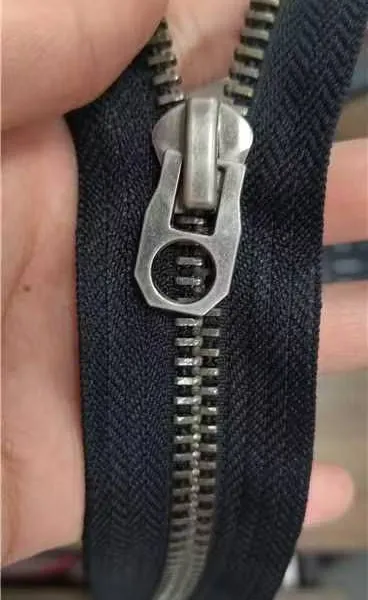 Read More
-
Nylon Zippers for Children's Wear: Safety and Small Parts
October 30, 2026A zipper on adult clothing is a fastener, and a zipper on children's clothing is a fastener with a safety file attached to it. A n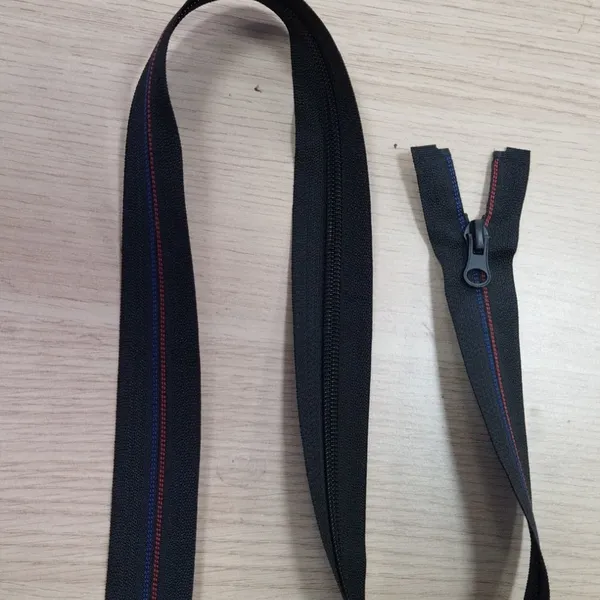 Read More
-
Nylon Zipper Variants: Coil, Invisible and Water-Repellent Tapes
October 29, 2026Almost every zip sold as a nylon zip is built on the same coil chain, and the differences between products sit in the tape rather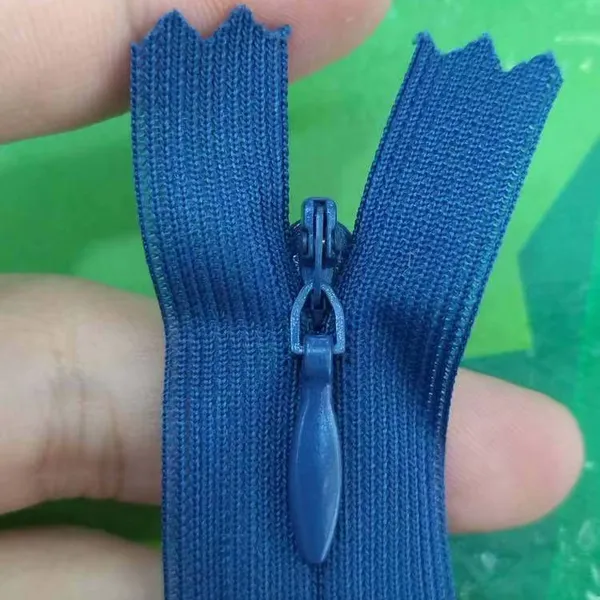 Read More
-
Zipper Tape and Teeth Materials: What Each Layer Is Made Of
October 29, 2026A zipper is built from 4 material layers that are chosen together: the woven tape, the teeth, the sewing thread and the coating ap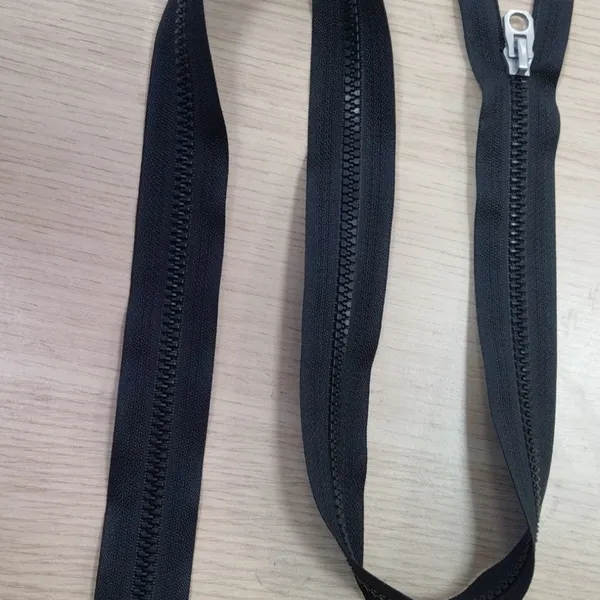 Read More

Contact Us
Recommended Products
-
 Clothing Accessories Lead Free Brass Metal Ring Prong Snap Button With 4 Parts for Infant Baby Clothes Baby BibsUS$ 0.01 - 0.03MOQ: 5000 Sets
-
Brass Metal Stainless Steel Material Ring Prong Snap Button With 4 Parts Lead Free & Nickel Free for Infant Baby Clothes Baby Bibs Baby SuitsUS$ 0.01 - 0.03MOQ: 5000 Sets
-
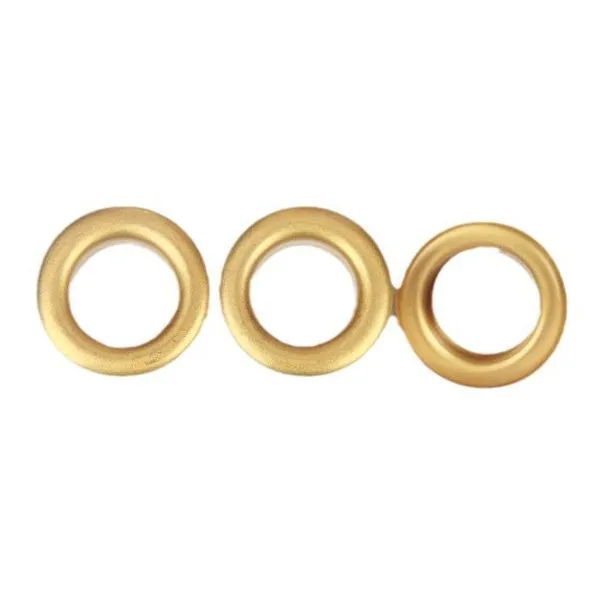
Metal Grommets Eyelets Gold Eyelet for Bag Shoes and Garment AccessoriesUS$ 0.01 - 0.03MOQ: 5000 Sets
-
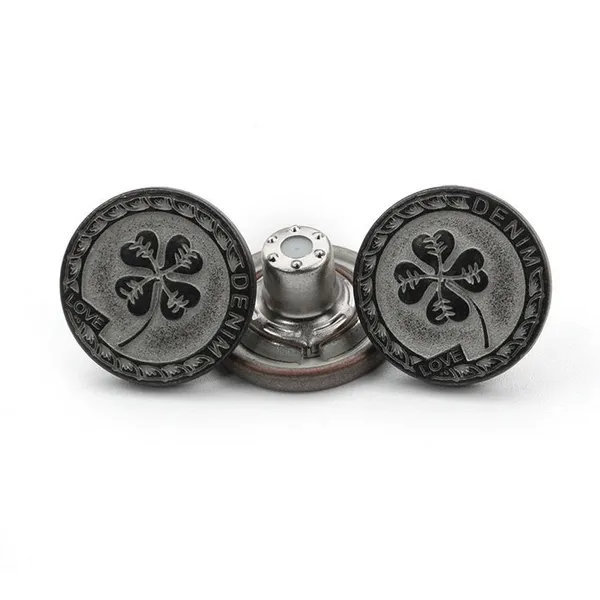
Cheap Price Custom Jeans Button Metal Custom Logo Metal Button for JeansUS$ 0.01 - 0.03MOQ: 5000 Sets
-
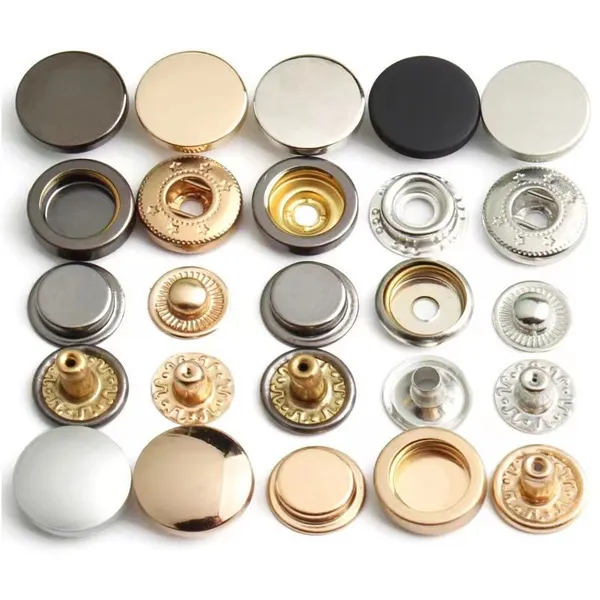
Factory Wholesale Hat Bag Clothing Press Snap Button Spring Snap Button Metal Snap ButtonsUS$ 0.03 - 0.06MOQ: 5000 Sets
-
Wholesale Plastic Round Coloured Snaps Button Press Fasteners for Baby Bibs/ Baby GarmentsUS$ 0.01 - 0.03MOQ: 50000 Sets
-
Custom EngravedCopper I Brass Metal Jeans Button Denim Clothes Jacket for Jeans DenimUS$ 0.01 - 0.03MOQ: 5000 Sets
-
17mm Open Hole Shank Button With Aluminum Nail With Logo for Jeans Jacket PantsUS$ 0.01 - 0.03MOQ: 5000 Sets
-
Eco-friendly Custom Size Plastic Snaps Plastic Snap Button for Baby Clothes, Baby BibsUS$ 0.01 - 0.03MOQ: 50000 Sets
-
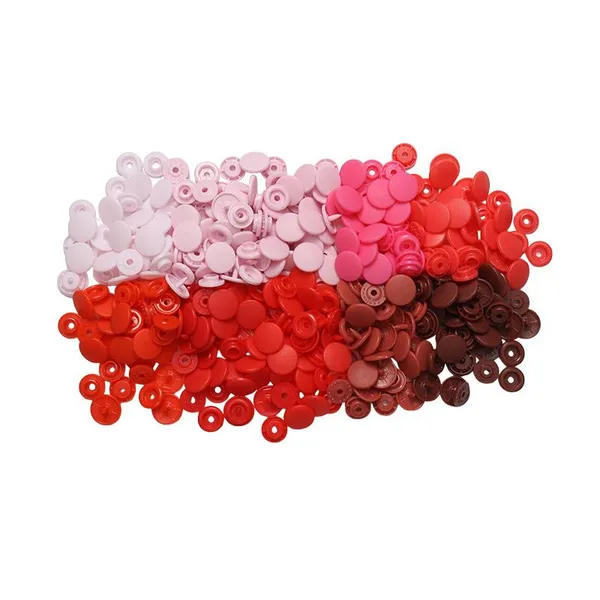
12mm 15mm 17mm 20mm Four Parts Metal Brass Fastener Press Snap Button for Clothes JacketUS$ 0.03 - 0.06MOQ: 5000 Sets
-
Custom Logo Personalized High Quality Metal Press Snap Fastener Snap Buttons for Clothing Garments JacketUS$ 0.03 - 0.06MOQ: 5000 Sets
-
Custom Printing Round Press Spring Four Part Snap Button for Clothing Leather 405#17mmUS$ 0.03 - 0.06MOQ: 5000 Sets
-
OEM Garment Accessories Custom Baby Snap Button Press Metal Prong Pearl Ring Snap ButtonUS$ 0.01 - 0.03MOQ: 5000 Sets
-
Factory Stock Buttons Stainless Steel or Brass Material Colors Pearl Snap Button Prong Pearl Snap Button for Shirts ClothingUS$ 0.01 - 0.03MOQ: 5000 Sets
-
Long Lasting Smooth Edge 1513 POM Snap Button 14.6mm for Outer Apparel and JacketsNegotiableMOQ: 50000 Pieces
-
Bulk Supply OEM Custom 1513 Plastic Snap Button 14.6mm for DIY Crafts and Sewing KitsNegotiableMOQ: 50000 Pieces
-
Custom Logo Matte Finish Plastic Snap Button 14.6mm for Canvas Bags and TotesNegotiableMOQ: 50000 Pieces
-
Soft Touch Easy Grip 14.6mm Plastic Snap Button POM for Baby Bibs and Feeding BibsNegotiableMOQ: 50000 Pieces
-
Washable Colorfast 1513 Plastic Snap Fastener 14.6mm POM for Bed Sheets and Duvet CoversNegotiableMOQ: 50000 Pieces
-
Easy Installation 12.3mm Plastic Snap Button Custom Engraved Logo For Fabric Closure HardwareNegotiableMOQ: 50000 Pieces