
 Business License
Blog Categories
Zipper Sliders That Jam or Skip: Causes and Prevention
Two faults account for most zipper complaints on a sewn product: the slider that will not travel, and the chain that opens behind a slider that has just closed it. The first is described as zipper slider jamming and the second as zipper skipping teeth, and both are usually blamed on the zip when the cause lies further down the line. A short diagnosis at the machine finds the cause in most cases within minutes.
This article separates the 2 faults, sets out the main zipper repair causes behind each, and explains why the slider size is checked before the chain is inspected. It closes with the checks that keep both faults off a production run.
1. What Zipper Slider Jamming Looks Like on the Line
Zipper slider jamming shows as a slider that stops part way along a chain and cannot be moved by hand without force. The operator feels a hard stop rather than the usual drag of a chain under tension. On a metal chain the stop is often accompanied by a scrape, and on a coil chain by a slight click as the coil folds.
The cause is usually a mismatch between the slider and the chain rather than a manufacturing defect. A size 5 slider on a size 8 chain will not span the teeth, and a metal chain slider on a coil chain sits too deep in the channel. A coil chain needs a channel about 0.3 mm wider than a metal chain of the same number.
A second cause is a slider that has picked up a foreign body. A fragment of thread, a grain of grit or a sliver of plastic from the tape bead will lodge in the channel and block it. Clearing the channel with a soft brush resolves it, and a repeat on the same machine points to a sewing fault upstream.
2. Zipper Skipping Teeth: When the Chain Opens Behind the Slider
Zipper skipping teeth appears as a closed chain that separates a few millimetres behind the slider. The slider has passed, yet the teeth do not hold, and the chain opens again on the next stroke. The fault is most visible on a coil chain, where a single missed loop opens a gap that runs the length of the seam.
The chain fails to hold for 3 reasons: the teeth are worn or deformed, the slider channel has opened through wear, or the chain was never closed correctly in the first place. A brass slider channel widens by about 0.05 mm after a few thousand cycles, and at that point it stops pressing the teeth together. A channel that has opened cannot be closed again by hand.
The fault is also created by the seam. A stitch that crosses the tooth line, or a seam allowance that pulls the tape sideways, holds the chain apart at one point. The slider then passes over an open section and the gap grows. The stitch line is checked on the sample before the run starts.
3. Chain Type and Zipper Repair Causes
Zipper repair causes fall into chain related and use related groups, and the split matters because the 2 are handled differently. A chain related cause belongs to the factory and is corrected in production. A use related cause belongs to the garment design and is corrected on the pattern or the specification.
| Fault | Usual cause | Group |
|---|---|---|
| Slider will not travel | Wrong slider size or blocked channel | Chain related |
| Chain opens behind slider | Worn channel or deformed tooth | Chain related |
| Slider creeps past the stop | Missing or loose top stop | Chain related |
| Chain pulls apart under load | Slider size too small for the load | Use related |
| Tape splits at the seam | Needle too heavy for the tape | Use related |
The table is used as a first pass on returned goods, because it points the inspection at one group before any measurement is taken. A fault that appears on every piece of a lot is normally chain related, while a fault that appears on a few pieces scattered through a lot is usually use related or handling related.
The distribution of the fault is therefore as useful as the fault itself. Difei Button (Guangzhou) Co Ltd records the position of a fault along the length of the zip as well as its type, because a fault at the same point on every piece points at a machine setting.
4. Slider Size and Channel Wear in Zipper Slider Jamming
Slider size is the first figure to check in any case of zipper slider jamming, and it is written on the underside of the body in most builds. A slider marked 5 belongs on a size 5 chain, and the number has to match the chain number stamped on the tape or printed on the box. Using a size 5 slider on a size 3 chain is a common error when a part is substituted during a shortage.
Channel wear is the second figure, and it cannot be seen without a gauge. A channel that has opened by 0.05 mm still looks serviceable, yet it no longer presses the teeth together. A factory checks the channel on an incoming lot by closing a test chain and pulling it apart by hand, which shows the fault at once.
The third figure is the pawl on a lock slider, which drops between 2 teeth to hold the chain closed. A worn pawl lets the slider creep under load even when the channel is sound. The pawl is checked by closing the chain, pulling the slider sideways and feeling for movement.
5. Tape and Seam Faults Behind Zipper Skipping Teeth
Tape and seam faults sit behind a large share of zipper skipping teeth, and they are created at the sewing machine rather than at the zip factory. A stitch that runs too close to the tooth line bends the chain at one point, and the slider then passes over a section that is already open. Keeping the stitch about 1.5 mm clear of the coil removes the fault.
Tape width is the second factor, because a tape that is narrower than the slider channel needs will not fill it. A coil chain needs the tape to sit against the bead under a small tension, and a slack tape folds into the channel. The tape width is checked against the specification on the first piece of every run.
The needle is the third factor. A needle that is too heavy for a light tape marks the tape and opens the weave, and the opening runs along the seam. A size 9 needle suits a 150 denier tape, while a size 14 needle is needed for a heavy bag tape. The needle size belongs on the machine card for the style.
6. Metal Chains: Bent Teeth That Cause Zipper Slider Jamming
Metal chains fail differently from coil chains, and a bent tooth is the fault that causes zipper slider jamming most often on a brass or aluminum chain. A tooth is bent by a side load, by a fall onto a hard floor or by a presser foot that has run over the chain. One bent tooth is enough to stop a slider.
A bent tooth can sometimes be straightened with a pair of flat pliers, and the chain then runs again. The repair is temporary, because the metal has work hardened at the bend and will fail again sooner. A chain with more than one bent tooth is replaced rather than repaired.
Plating is the second metal specific factor. A plated tooth that has worn through exposes the base metal, which corrodes in a wash and forms a rough patch. The roughness increases drag on the slider until it jams. A salt spray test of about 24 hours on a sample shows how the plating will hold up in service.
7. Prevention: Reducing Zipper Repair Causes at the Machine
Prevention is cheaper than repair, and most zipper repair causes can be removed before a run starts. Three settings cover the bulk of them: the correct slider size for the chain, a stitch line about 1.5 mm clear of the teeth, and a needle matched to the tape weight. Each setting is confirmed on the first piece and recorded on the style card.
The sample stage is where the settings are proved. A sample zip is closed and opened 50 times under the real seam construction, and the slider is pulled sideways while closed. A chain that holds through that test will hold in service. The test takes about 5 minutes and prevents a whole lot from being returned.
Handling on the line is the second lever, because a zip dropped on a hard floor can take a bent tooth. Small bins under the machine and a soft surface at the inspection table both help. Difei packs zips flat in a carton with a divider, so a chain is not pressed against another chain in transit.
8. Diagnosing Zipper Repair Causes Before a Claim
A claim is stronger when the cause is identified before it is filed, and the diagnosis follows the same 5 steps each time. The steps are to confirm the slider number against the chain number, to test the channel with a closed chain, to check the stitch line against the teeth, to look for a bent tooth or a worn plating, and to record where along the length the fault sits.
The record is what makes the difference on a repeat. A fault that sits 40 mm from the bottom on every piece points at a machine setting, while a fault that sits at random points at the chain. The 2 findings lead to different corrective actions, and a claim that names the wrong one will not be closed.
The last step is a comparison against the approved sample, because a chain that was changed without notice will not match it. Difei keeps the approved sample with the part record for 12 months, so the comparison is made against the same reference the buyer approved. A mismatch at that stage is a supply question rather than a use question.
9. Frequently Asked Questions
9.1 What causes zipper slider jamming?
Zipper slider jamming is usually caused by a slider that does not match the chain, a channel that has picked up a foreign body, or a bent tooth on a metal chain. A size 5 slider on a size 8 chain cannot span the teeth, and a metal chain slider sits too deep in a coil channel, which needs about 0.3 mm more room. A fragment of thread or grit lodged in the channel blocks it as well. Clearing the channel or replacing the slider resolves most cases at the machine.
9.2 Why do zipper teeth skip behind the slider?
Zipper skipping teeth happen when the chain is not pressed closed as the slider passes. The common causes are a slider channel that has opened through wear, a tooth that is worn or deformed, and a seam that holds the chain apart at one point. A brass channel widens by about 0.05 mm after a few thousand cycles, and at that point it stops closing the teeth. Keeping the stitch line about 1.5 mm clear of the teeth removes the seam cause.
9.3 What are the most common zipper repair causes?
The most common zipper repair causes fall into chain related and use related groups. Chain related causes are a wrong slider size, a blocked or worn channel, and a missing or loose top stop, and these are corrected at the factory. Use related causes are a slider too small for the load, a needle too heavy for the tape, and a stitch line that crosses the teeth, and these are corrected on the pattern or the specification. The group is identified before a claim is filed.
9.4 How do you prevent a slider from jamming in production?
Preventing a jam comes down to 3 settings that are confirmed on the first piece of a run. Use a slider that matches the chain number, keep the stitch line about 1.5 mm clear of the teeth, and fit a needle matched to the tape weight, such as a size 9 needle on a 150 denier tape. Then close and open a sample 50 times under the real seam construction and pull the slider sideways while closed. Difei records those settings on the style card for the part.
Recently Posted
-
Nylon Zippers for Children's Wear: Safety and Small Parts
October 30, 2026A zipper on adult clothing is a fastener, and a zipper on children's clothing is a fastener with a safety file attached to it. A n Read More
-
Zipper Length Tolerance: Specifying Cut Length on a Purchase Order
October 30, 2026A zipper is bought by length, and the length on the bag is rarely the length the maker wrote on the purchase order. The gap betwee Read More
-
Nylon Zipper Variants: Coil, Invisible and Water-Repellent Tapes
October 29, 2026Almost every zip sold as a nylon zip is built on the same coil chain, and the differences between products sit in the tape rather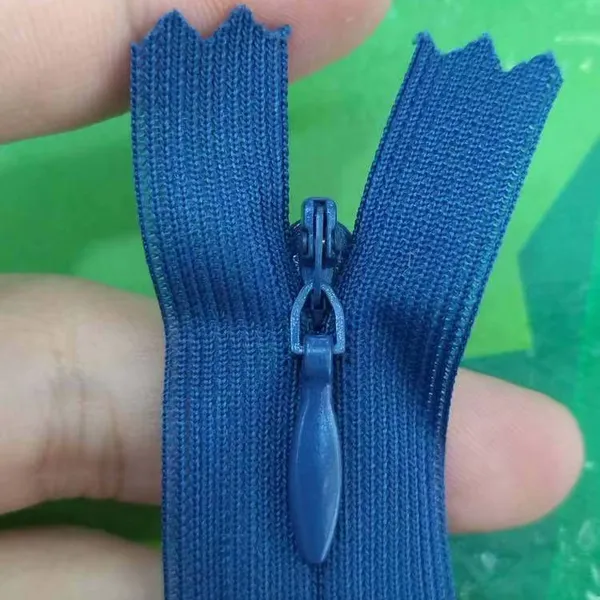 Read More
-
Zipper Tape and Teeth Materials: What Each Layer Is Made Of
October 29, 2026A zipper is built from 4 material layers that are chosen together: the woven tape, the teeth, the sewing thread and the coating ap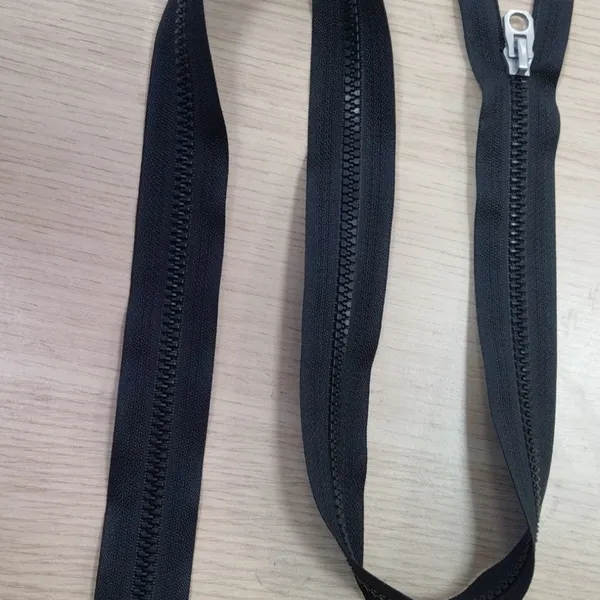 Read More

Contact Us
Recommended Products
-
 Clothing Accessories Lead Free Brass Metal Ring Prong Snap Button With 4 Parts for Infant Baby Clothes Baby BibsUS$ 0.01 - 0.03MOQ: 5000 Sets
-
Brass Metal Stainless Steel Material Ring Prong Snap Button With 4 Parts Lead Free & Nickel Free for Infant Baby Clothes Baby Bibs Baby SuitsUS$ 0.01 - 0.03MOQ: 5000 Sets
-
Metal Grommets Eyelets Gold Eyelet for Bag Shoes and Garment AccessoriesUS$ 0.01 - 0.03MOQ: 5000 Sets
-
Cheap Price Custom Jeans Button Metal Custom Logo Metal Button for JeansUS$ 0.01 - 0.03MOQ: 5000 Sets
-
Factory Wholesale Hat Bag Clothing Press Snap Button Spring Snap Button Metal Snap ButtonsUS$ 0.03 - 0.06MOQ: 5000 Sets
-
Wholesale Plastic Round Coloured Snaps Button Press Fasteners for Baby Bibs/ Baby GarmentsUS$ 0.01 - 0.03MOQ: 50000 Sets
-
Custom EngravedCopper I Brass Metal Jeans Button Denim Clothes Jacket for Jeans DenimUS$ 0.01 - 0.03MOQ: 5000 Sets
-
17mm Open Hole Shank Button With Aluminum Nail With Logo for Jeans Jacket PantsUS$ 0.01 - 0.03MOQ: 5000 Sets
-
Eco-friendly Custom Size Plastic Snaps Plastic Snap Button for Baby Clothes, Baby BibsUS$ 0.01 - 0.03MOQ: 50000 Sets
-
12mm 15mm 17mm 20mm Four Parts Metal Brass Fastener Press Snap Button for Clothes JacketUS$ 0.03 - 0.06MOQ: 5000 Sets
-
Custom Logo Personalized High Quality Metal Press Snap Fastener Snap Buttons for Clothing Garments JacketUS$ 0.03 - 0.06MOQ: 5000 Sets
-
Custom Printing Round Press Spring Four Part Snap Button for Clothing Leather 405#17mmUS$ 0.03 - 0.06MOQ: 5000 Sets
-
OEM Garment Accessories Custom Baby Snap Button Press Metal Prong Pearl Ring Snap ButtonUS$ 0.01 - 0.03MOQ: 5000 Sets
-
Factory Stock Buttons Stainless Steel or Brass Material Colors Pearl Snap Button Prong Pearl Snap Button for Shirts ClothingUS$ 0.01 - 0.03MOQ: 5000 Sets
-
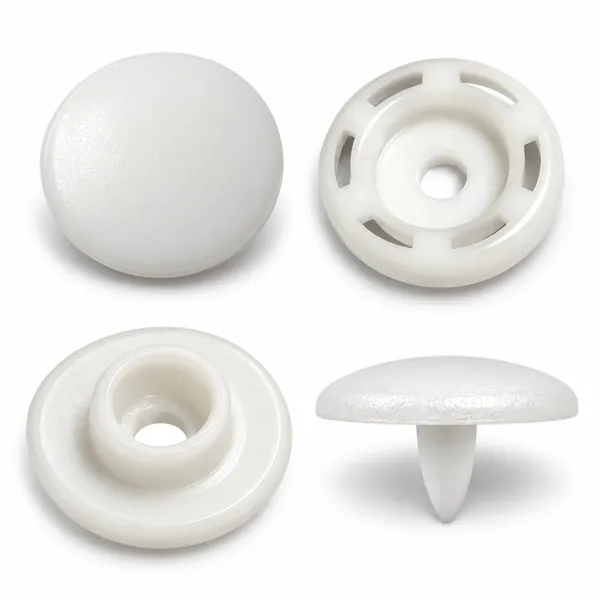
Long Lasting Smooth Edge 1513 POM Snap Button 14.6mm for Outer Apparel and JacketsNegotiableMOQ: 50000 Pieces
-
Bulk Supply OEM Custom 1513 Plastic Snap Button 14.6mm for DIY Crafts and Sewing KitsNegotiableMOQ: 50000 Pieces
-
Custom Logo Matte Finish Plastic Snap Button 14.6mm for Canvas Bags and TotesNegotiableMOQ: 50000 Pieces
-
Soft Touch Easy Grip 14.6mm Plastic Snap Button POM for Baby Bibs and Feeding BibsNegotiableMOQ: 50000 Pieces
-
Washable Colorfast 1513 Plastic Snap Fastener 14.6mm POM for Bed Sheets and Duvet CoversNegotiableMOQ: 50000 Pieces
-
Easy Installation 12.3mm Plastic Snap Button Custom Engraved Logo For Fabric Closure HardwareNegotiableMOQ: 50000 Pieces