
 Business License
Blog Categories
Working with Difei Button on Zipper Orders: Communication and Sampling
Working with Difei Button on a zipper order follows a short, fixed path. A question is answered with a document rather than a memory, a sample is assembled into a working part, and the approved part is retained as the standard for every later run. The method is the same for a first enquiry and for a tenth repeat.
This article sets out how that path runs. It covers zipper supplier communication before the first sample, the zipper sampling process as Difei Button applies it, and what it means to be working with zipper factory teams on a live programme. It closes with the points that keep a repeat order on the approved standard.
1. Zipper Supplier Communication Before the First Sample
Zipper supplier communication works well when a buyer arrives with four facts rather than a picture. The colour reference, the load the chain has to carry, the chain size or the finished opening length, and the date the goods are needed at the sewing line.
Those four let Difei Button quote a realistic date rather than a hopeful one. Where the delivery date is tight and the shade is still open, Difei can run a stocked colour for the opening lot and match the reference on the second, which keeps the sewing line moving while the shade is settled.
A written enquiry also removes a good deal of guesswork. Difei answers a complete enquiry within a working day. The reply breaks the chain, the tape, the slider and the puller into separate price lines, so two offers can be compared line by line rather than as a single figure.
2. The Zipper Sampling Process at Difei Button
The zipper sampling process at Difei Button works on a finished part rather than on a bag of loose pieces. The chain, the slider and the puller are put together and worked from end to end, so a jam is found on the bench instead of on a customer bag.
A new development usually needs more than one pass. The opening pass settles the chain and the shade, the middle pass looks at how the slider and the puller behave on an assembled part, and the closing pass confirms that the notes from the review have been built in.
The calendar is agreed at the kick-off rather than revised after each pass, so a buyer can book the sewing line against a fixed window. A development of this kind usually lands inside three weeks from the first message to the signed part.
| Stage | What the buyer holds after it | Working days |
|---|---|---|
| Kick-off | A written sheet and price lines | 1 |
| Opening pass | An assembled part with a short report | 5 to 7 |
| Middle pass | A corrected part after review | 5 |
| Sign-off | A dated part held on file | 2 |
The part that is signed off is dated and held with its dye lot and its tool number, and it becomes the yardstick for the bulk run, for a repeat and for any question raised later.
A sample is sent with a short report rather than as a bare part. The report records the chain size, the tape width, the colour reference and the puller code, so the buyer can file the part against the number. A sample without a report is hard to reorder, because the details sit in an email rather than on the part.
3. Working with Zipper Factory Teams on Specifications
Working with zipper factory teams is easier when the specification is written before the first sample rather than after it. Difei sets out a written sheet before the first part is made. It lists the tape width, the chain size, the slider type, the puller code and the surface finish, so any review has a document rather than a memory to work from.
The sheet is split into two columns. The buyer fills in the colour reference and the finished opening length, while the factory fills in the seam specification, the chain size and the tape width that suit it. Agreeing those two columns before work starts takes away the exchange of questions that otherwise sits between an enquiry and the first part.
The specification is also where the tolerances are agreed. A chain size with a stated tolerance allows a part to be checked rather than argued over, and it gives both sides the same figure to work to on the first bulk piece.
4. Zipper Supplier Communication: Drawings and Tolerances
Zipper supplier communication on a technical part moves through a drawing, and a good drawing carries three views rather than one. It shows the chain in plan, the tape in section and the finished opening in elevation.
A section view is the one that is left out most often, and it is the one that settles a tape question. Where the tape width, the stitch line and the coil position are all shown in section, a dispute about the fold or the ridge is resolved before the first metre is cut.
A tolerance is quoted on each critical figure rather than as a general note. A pitch tolerance and a width tolerance are read separately, and each one has a check that a workshop can run with a gauge rather than a full inspection.
5. Zipper Sampling Process: Rounds Two and Three
The second round of the zipper sampling process is where the assembly is proved. The puller swing, the slider travel and the stop positions are all checked, because those are the parts that a wearer feels first.
The puller is the part that is reviewed most closely at this round. A long puller that swings out past the seam is changed for a short tab, and a puller that is too short for a gloved hand is changed for a larger one. Both changes are cheap at the sample stage and awkward after a bulk run.
The third round confirms that the corrections have been absorbed rather than assumed. Difei re-measures the points that were changed, and the round is closed with a note of what moved and by how much. That note travels with the retained sample.
6. Working with Zipper Factory Quality Checks
Working with zipper factory quality checks means agreeing on the same four checks on both sides. The chain is worked from end to end, the tape width is gauged at three places, the shade is held under the agreed lamp, and the stitch rows are tugged by hand.
The set is fixed, so a difference between two lots is a real difference rather than a difference in method, and the whole set takes just a few minutes a lot.
Where a buyer runs its own inspection, Difei shares the figures rather than the verdict. A measurement that is outside the agreed tolerance is reported with the value, so the buyer can decide what to do with it rather than being told to accept or reject.
A shared check sheet is used when a buyer runs its own inspection. The sheet carries the same four checks that Difei uses, so a difference between two lots is a real difference rather than a difference in method. A signed sheet travels with the shipment and closes the record for that lot.
7. Zipper Supplier Communication on Lead Time and Change
Zipper supplier communication on lead time is clearer when the date is quoted against a trigger. A standard chain in a stocked shade is released 15 to 20 days after a signed order, while a shade that has to be dyed to a reference adds about 10 days from the moment the colour is signed off, which puts the total near 25 to 30 days.
The starting point is the approval rather than the message that opened the enquiry, and putting that sentence into the order removes most arguments about a date. It also shows plainly where a buyer can save time, because signing the colour a week earlier moves the whole shipment a week earlier.
A change after the material is released is handled as a fresh line rather than as an edit. Difei confirms the new date in writing before the change is made, so neither side is working from a memory of a conversation.
An order change is logged with a date and a reason. Where a colour is moved, the new approval is filed against the order and the old one is marked superseded. That single habit keeps a programme from carrying two live standards for the same part.
8. From Zipper Sampling Process to Bulk: Holding the Standard
Holding the standard from the zipper sampling process to bulk is the whole point of the retained part. Every repeat is checked against that part rather than against the drawing alone, because the sample carries the finish and the hand that a drawing cannot express.
Where a repeat follows a change of material, the reference is proved again rather than carried forward. A new dye lot or a change of tape supplier is enough to justify a fresh approval, and Difei issues a dated part for the file. Difei keeps the earlier approval beside the new one so the change itself can be read.
Difei Button (Guangzhou) Co Ltd holds that file as part of the delivery rather than as a private note. A question that arrives in a later season can be settled from the part taken at the start, so a correction is made once instead of being found again every year.
A programme is also reviewed as a whole once a year. Difei looks at the parts that were changed over the period, because a part that keeps being adjusted is usually a sign that the original specification was not quite right rather than a run of bad luck.
9. Frequently Asked Questions
9.1 What should a buyer prepare for zipper supplier communication?
Zipper supplier communication is easiest when a buyer prepares four facts before the first message. The colour reference, the load the chain must carry, the chain size or the finished opening length, and the date the goods are needed at the sewing line. Those four let a supplier quote a realistic date rather than a hopeful one. Where the date is tight and the colour is not fixed, Difei Button will propose a stock colour for the first lot and the exact match for the second, so the sewing schedule is protected while the colour is still settled.
9.2 How long does the zipper sampling process take?
The zipper sampling process at Difei Button usually runs about three weeks from the first message to the signed part. The opening pass settles the chain and the shade in five to seven working days, the middle pass looks at the slider and the puller on an assembled part and takes about five days, and the closing pass confirms that the notes from the review have been built in, in three to five days. Each part is worked from end to end on the bench. The dates are fixed at the kick-off so the sewing line can be booked.
9.3 What is different about working with zipper factory teams?
Working with zipper factory teams is different because the specification is written before the first sample rather than after it. Difei Button issues a sheet that lists the tape width, the chain size, the slider type, the puller code and the surface finish, so a review has a document rather than a memory of a conversation. The sheet also splits the work, with the buyer supplying the colour reference and the opening length while the factory supplies the chain and the seam specification. Tolerances are quoted on each critical figure so a part can be checked rather than argued over.
9.4 How is a repeat order checked against the approved sample?
A repeat is proved against the part held on file rather than against a drawing, because a drawing cannot carry the finish or the hand of the material. Four points are run each time: the chain is worked from end to end, the tape width is gauged at three places, the shade is held under the agreed lamp, and the stitch rows are tugged by hand. The whole set takes a few minutes. Where the material has changed, a fresh dated part is signed instead of carrying the old one forward.
Recently Posted
-
Zipper Claims and Rework at Difei Button: How Issues Are Closed
November 6, 2026A zipper quality claim is not settled by an argument about what the buyer saw. It is settled by a case number, a reference part an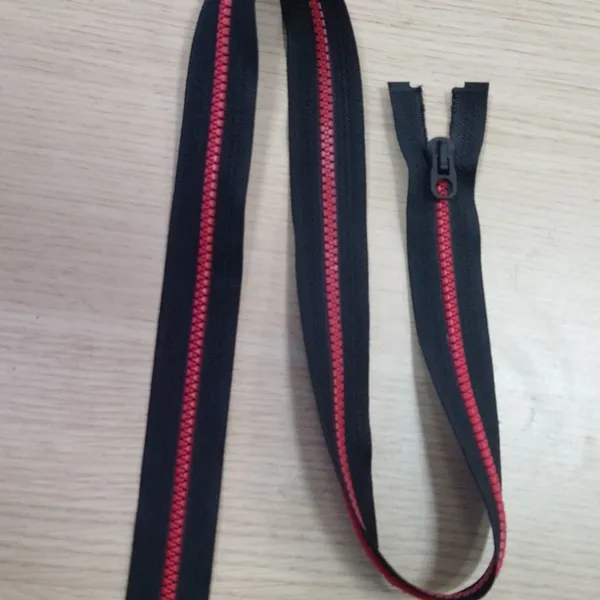 Read More
-
Zipper Slider Die Casting and Surface Finishing
November 6, 2026A zipper slider begins as a shot of molten alloy injected into a steel mould, and it ends as a plated part that runs on a chain. T
Read More -
Zipper Lead Time and Production Scheduling: Cutting to Dispatch
November 6, 2026A zipper lead time is not a single figure held in a database. It is the sum of several stages that run in sequence, and each one m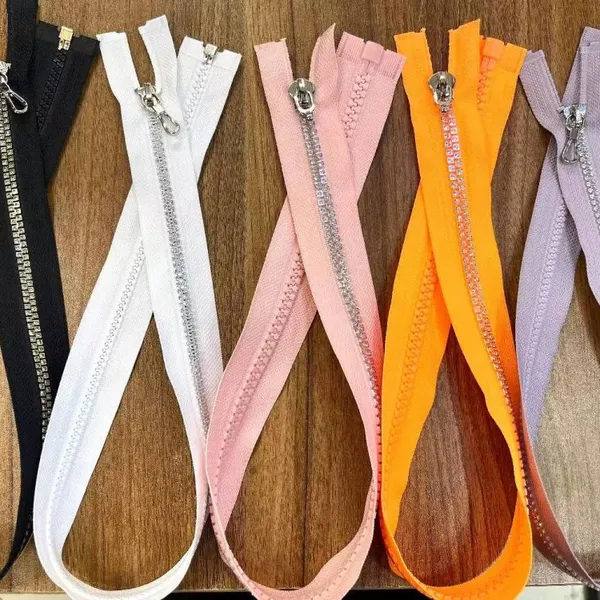 Read More
-
Inspecting a Zipper Shipment: Checks Before Loading
November 5, 2026Inspecting a zipper shipment is the last point at which a fault can be caught while the goods are still in the factory. Once the c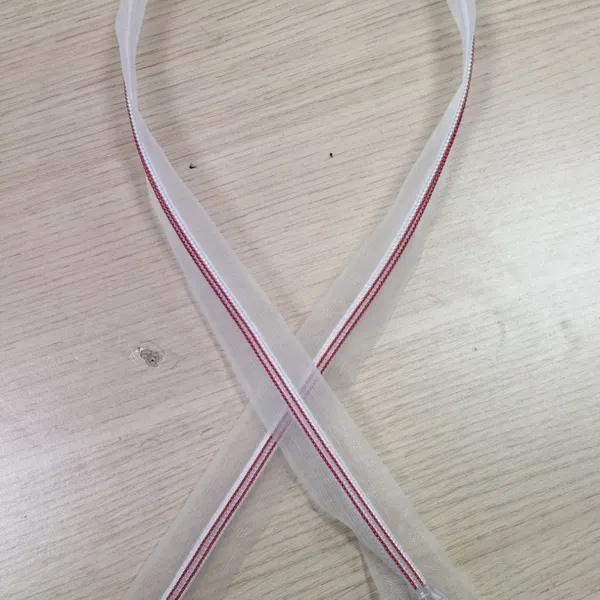 Read More

Contact Us
Recommended Products
-
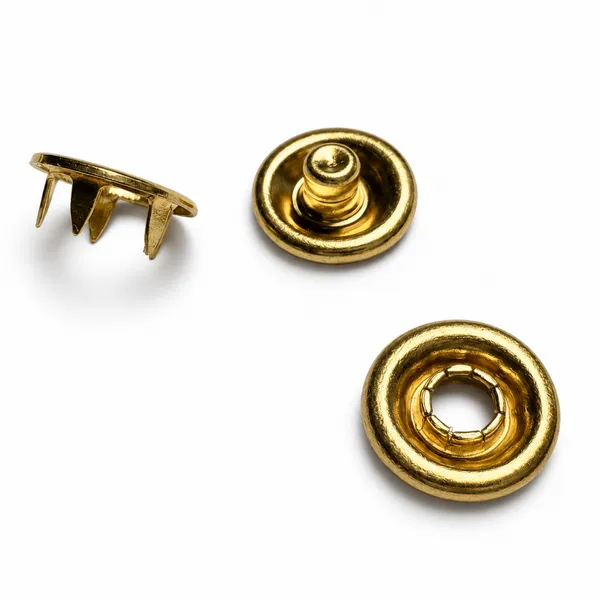
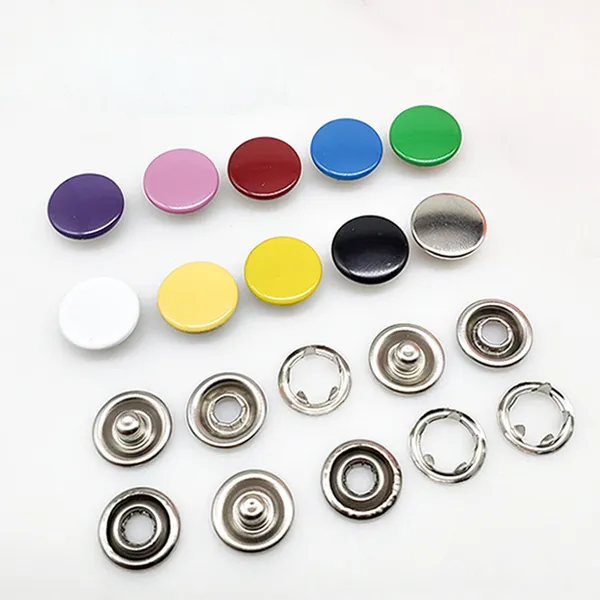
 Clothing Accessories Lead Free Brass Metal Ring Prong Snap Button With 4 Parts for Infant Baby Clothes Baby BibsUS$ 0.01 - 0.03MOQ: 5000 Sets
-
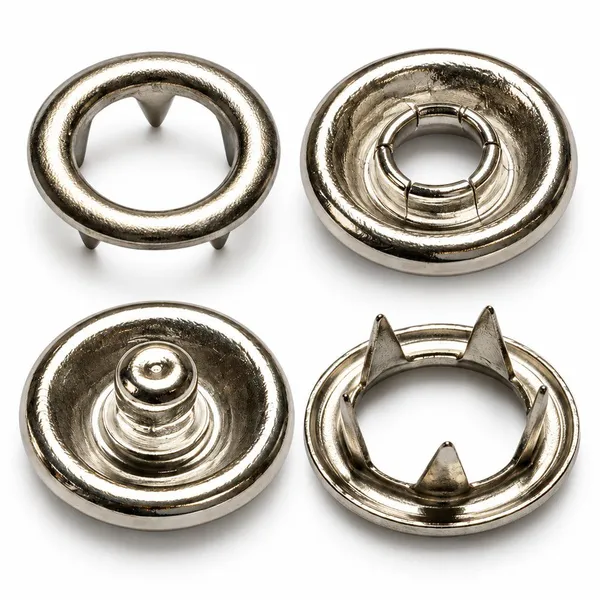
Brass Metal Stainless Steel Material Ring Prong Snap Button With 4 Parts Lead Free & Nickel Free for Infant Baby Clothes Baby Bibs Baby SuitsUS$ 0.01 - 0.03MOQ: 5000 Sets
-
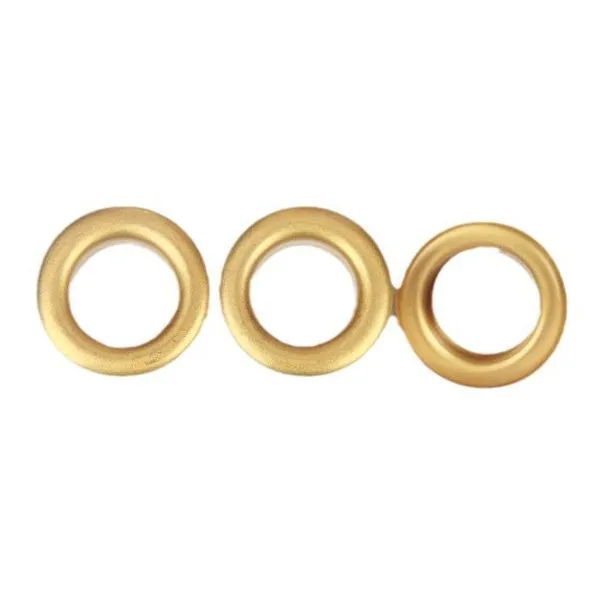
Metal Grommets Eyelets Gold Eyelet for Bag Shoes and Garment AccessoriesUS$ 0.01 - 0.03MOQ: 5000 Sets
-
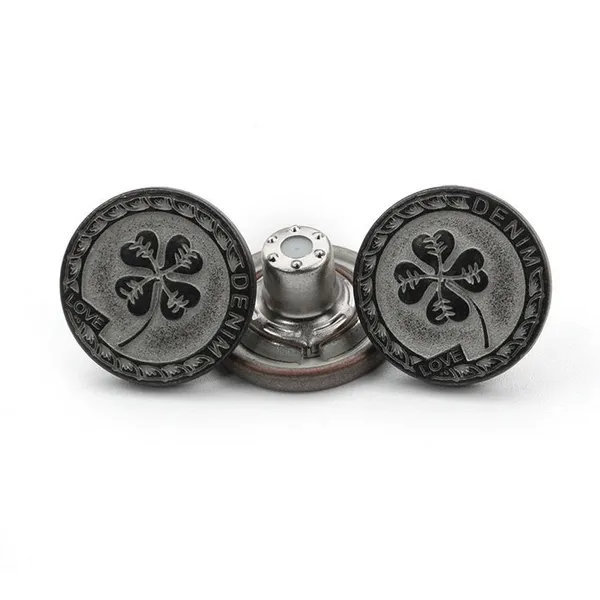
Cheap Price Custom Jeans Button Metal Custom Logo Metal Button for JeansUS$ 0.01 - 0.03MOQ: 5000 Sets
-
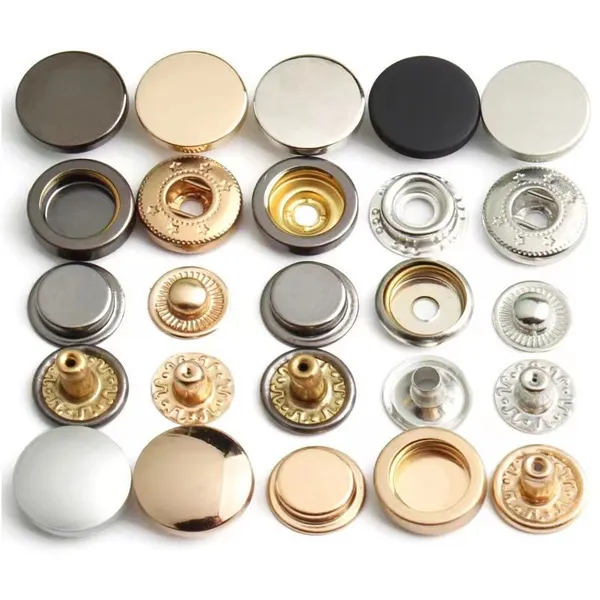
Factory Wholesale Hat Bag Clothing Press Snap Button Spring Snap Button Metal Snap ButtonsUS$ 0.03 - 0.06MOQ: 5000 Sets
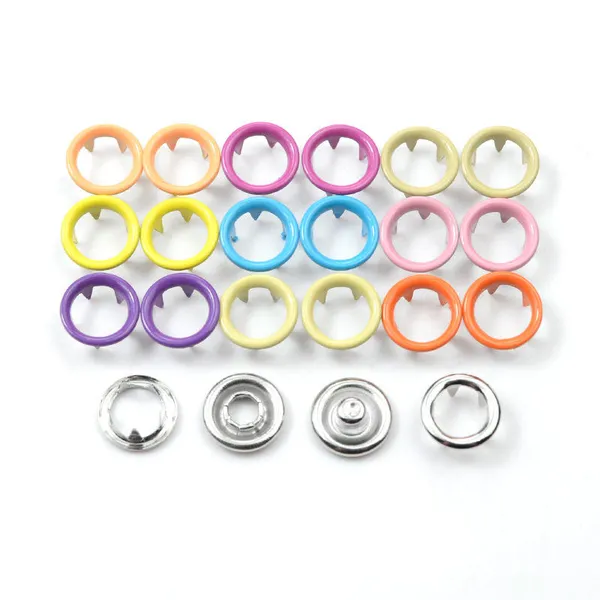
-
Wholesale Plastic Round Coloured Snaps Button Press Fasteners for Baby Bibs/ Baby GarmentsUS$ 0.01 - 0.03MOQ: 50000 Sets
-
Custom EngravedCopper I Brass Metal Jeans Button Denim Clothes Jacket for Jeans DenimUS$ 0.01 - 0.03MOQ: 5000 Sets
-
17mm Open Hole Shank Button With Aluminum Nail With Logo for Jeans Jacket PantsUS$ 0.01 - 0.03MOQ: 5000 Sets
-
Eco-friendly Custom Size Plastic Snaps Plastic Snap Button for Baby Clothes, Baby BibsUS$ 0.01 - 0.03MOQ: 50000 Sets
-
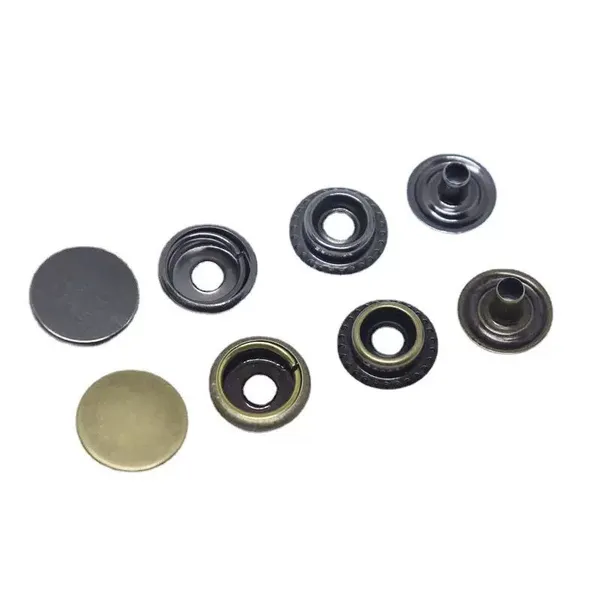
12mm 15mm 17mm 20mm Four Parts Metal Brass Fastener Press Snap Button for Clothes JacketUS$ 0.03 - 0.06MOQ: 5000 Sets
-
Custom Logo Personalized High Quality Metal Press Snap Fastener Snap Buttons for Clothing Garments JacketUS$ 0.03 - 0.06MOQ: 5000 Sets
-
Custom Printing Round Press Spring Four Part Snap Button for Clothing Leather 405#17mmUS$ 0.03 - 0.06MOQ: 5000 Sets
-
OEM Garment Accessories Custom Baby Snap Button Press Metal Prong Pearl Ring Snap ButtonUS$ 0.01 - 0.03MOQ: 5000 Sets
-
Factory Stock Buttons Stainless Steel or Brass Material Colors Pearl Snap Button Prong Pearl Snap Button for Shirts ClothingUS$ 0.01 - 0.03MOQ: 5000 Sets
-
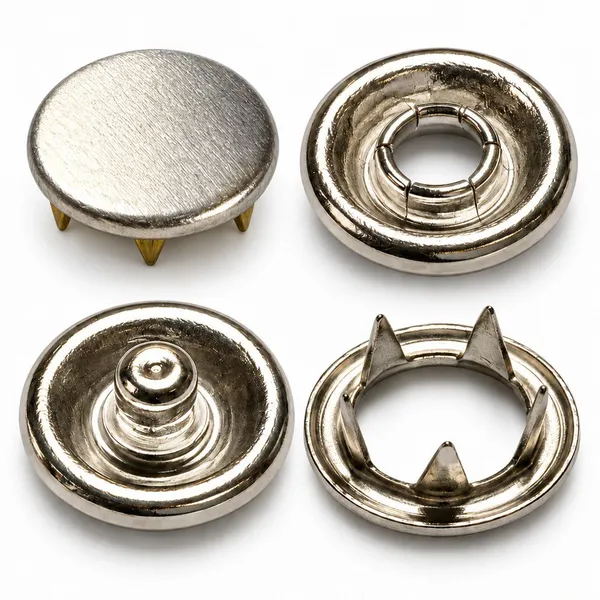
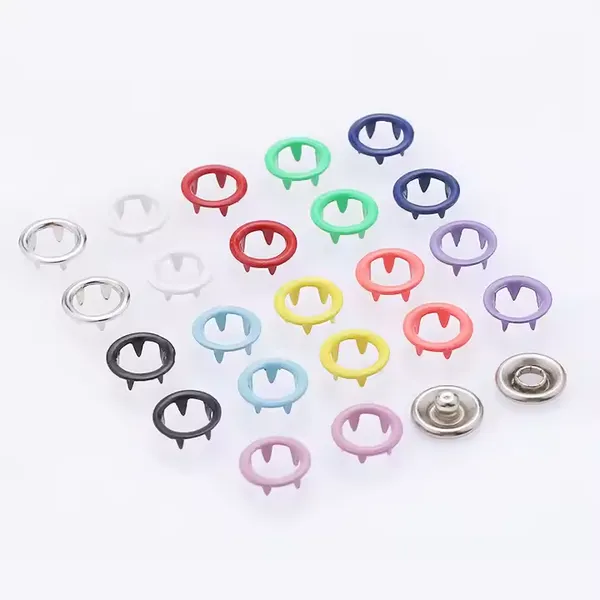
222# 10mm Cap Prong Ring Snap Button Metal Press Fastener for Workwear and Chef ApronsNegotiableMOQ: 5000 Pieces
-
222# 9.5mm Open Hole Ring Snap Button Brass Snap Fastener for Canvas Tote BagsNegotiableMOQ: 5000 Pieces
-
222# 9mm Open Hole Ring Snap Button Brass Fastener for Denim Jackets and Trucker CoatsNegotiableMOQ: 5000 Pieces
-
222# 9.2mm Open Hole Ring Snap Button Metal Snap for Childrens Coats and RaincoatsNegotiableMOQ: 5000 Pieces
-
111.5# 9mm Cap Prong Ring Snap Button Brass Snap Closure for Blouses and TunicsNegotiableMOQ: 5000 Pieces
-
111# 7.2mm Open Hole Ring Snap Button Solid Brass Fastener for Baby Bodysuits and RompersNegotiableMOQ: 5000 Pieces