
 Business License
Packaging, Carton Configuration and Shipping Terms for Button Orders
A button order is small in value and heavy in handling, which makes button packaging the part of the transaction that most often produces a complaint. Closures are counted in thousands, packed in bags and boxes, loaded into cartons and then consolidated with other trim. Every one of those steps has a standard that buyers and factories frequently leave unwritten. A clear packing specification costs nothing at the quotation stage and settles most disputes before they start.
This guide covers the inner unit and the outer carton, the counting and weighing checks that belong in a shipment, how a FOB Guangzhou button order divides responsibility, and how the main Incoterms compare for trim that ships with garments.
1. Button Packaging: The Inner Unit and Why It Decides Handling
Button packaging starts with the inner unit, which is the first container a worker opens on the production line. Grocery bags of 100 pieces suit hand feeding at a small line, while a poly bag of 1,000 or a moulded tray suits an automatic feed hopper. Getting the unit wrong costs the buyer time on every garment rather than once per order.
The inner unit also carries the traceability that makes a mixed shipment workable. A printed label with the article number, colour code, size and quantity lets a factory floor find the right bag without opening five others. Where a buyer runs several colours on one style, colour coding the bags prevents a mix-up that is expensive to reverse after the plackets are set.
Three details go on the inner label and one goes on the outer. The label should carry the article number, the colour and the quantity, while the outer carton carries the same information plus a batch reference that links back to the production record. That link is what a buyer uses when a single carton in a shipment needs to be traced months later. Difei prints the article number in a size a supervisor can read at arm's length, because a label that needs close inspection slows every feeding station.
| Inner unit | Typical quantity | Suits | Watch for |
|---|---|---|---|
| Small poly bag | 100 - 500 pieces | Hand feeding, small lines | Loose pieces at the seam |
| Standard poly bag | 1,000 pieces | General garment production | Bag bursting under weight |
| Moulded tray | 500 - 2,000 pieces | Automatic hopper feeding | Tray breakage in transit |
| Colour coded bag | Any size | Multi colour orders | Label must match the bag colour |
2. Button Export Packing: Carton Strength, Liners and Humidity
Button export packing has to survive a sea container, and a container in summer reaches temperatures that soften adhesives and swell fibreboard. A five layer corrugated carton suits most trim shipments, since it resists the stacking load that a four layer box begins to bow under when the container is filled to the roof. Carton board grade matters more on a humid route than on a short domestic one.
Inside the carton, the layer that matters most is the liner. A plain poly liner keeps moisture away from metal closures on a long sea route, where condensation forms on the container walls overnight. An inner partition stops the bags from sliding into a solid block that has to be cut open at the destination.
Steel closures carry a specific risk that plastic parts do not. Plated metal releases a faint odour as it sits in an enclosed space, and the plating itself can spot if condensation reaches the surface. A desiccant sachet in each carton costs very little and removes the conditions that cause both problems. Those two additions are what separate a standard packing list from a button export packing specification written for a humid sea route.
| Layer | Purpose | Typical specification |
|---|---|---|
| Inner bag | Unit and traceability | Poly, printed label, sealed |
| Carton liner | Moisture barrier | Poly liner, taped closed |
| Carton board | Stacking strength | Five layer corrugated |
| Desiccant | Condensation control | One sachet per carton |
3. FOB Guangzhou Button Order: What the Term Covers
A FOB Guangzhou button order places the goods on board a vessel at the port and marks the point where cost and risk pass from seller to buyer. The seller handles packing, inland transport to the port, export customs clearance and loading. The buyer pays the ocean freight, the insurance and everything that follows at the destination port.
That division suits a buyer who already has a freight forwarder and consolidates trim with garments from other suppliers. It also suits a first order, because the buyer keeps control of the shipping line and can see the actual freight cost rather than a figure blended into the unit price.
The risk sits at the handover point, and buyers should confirm which Guangzhou port the quotation names. Nansha and Shekou sit in different parts of the region with different sailing schedules and inland costs, so a quotation that says Guangzhou without naming the terminal leaves a gap that appears later as an added charge.
4. Button Packaging Counts and Weight Verification
Count verification is the least expensive quality check in a trim shipment and the one most often skipped. Closure orders are quoted by piece, and a two per cent shortfall across forty cartons turns into a real cost on a garment line that needs the exact number to finish a run. Sampling a few bags from each carton against the label catches most counting drift before the shipment leaves.
Weight is the second check and it validates the first. Once the count per bag is confirmed, the gross weight of a carton should fall within a narrow band around the expected figure. A carton that weighs noticeably less than its neighbours is either short or packed with a thinner part, and both conditions are worth investigating before the container is sealed.
Difei Button weighs each carton and prints the net and gross figures on the packing list, which gives the receiving team a number to compare against on arrival rather than an assumption that the shipment matches the order.
5. FOB Guangzhou Button Order Container Loading
Loading volume follows from carton dimensions rather than from total weight in most trim shipments. A standard 20 foot container holds roughly 28 cubic metres and a 40 foot container roughly 58, and a carton of closures typically measures about 40 by 30 by 25 centimetres. Working from carton volume rather than from carton count prevents a shortage of space discovered at the loading bay.
Weight limits can bind instead of volume on metal trim, because a carton of brass closures is far heavier than the same carton of POM. A 20 foot container usually accepts about 21 tonnes of cargo and a 40 foot container about 26 tonnes, which a dense metal shipment can approach before the container is full.
Loading order matters at the destination. Cartons identified by article number should be grouped so that the first items needed on the garment line come out first, which avoids emptying a container to reach one colour at the far end. Difei Button (Guangzhou) loads against the article sequence on the purchase order, so the carton a buyer needs first is the one nearest the doors.
| Container | Usable volume | Practical payload | Note |
|---|---|---|---|
| 20 foot | About 28 cubic metres | About 21 tonnes | Volume binds on light trim |
| 40 foot | About 58 cubic metres | About 26 tonnes | Weight can bind on metal trim |
| Loose cargo | Depends on the hold | Depends on the route | Suits small mixed consignments |
6. FOB Guangzhou Button Order Against CIF and EXW
Comparing a FOB Guangzhou button order against other terms is mostly a question of who arranges transport and who carries the risk in between. Under CIF the seller also books the freight and provides insurance to the destination port, which simplifies the transaction for a buyer without a forwarder and hides the freight figure inside the price. Under EXW the buyer collects from the factory gate and handles everything, including export clearance.
The choice changes the effort a buyer carries rather than the underlying cost of the goods. A CIF price bundles freight and insurance into one number that is harder to compare between suppliers, while FOB keeps those two lines visible. EXW gives the buyer the most control and the most work.
For a first order with a new supplier, FOB usually offers the clearest picture. The buyer sees the goods value and the freight separately, and any difference in inland cost between two factories shows up as a real number rather than as a blended one.
| Term | Seller arranges | Buyer arranges | Suits |
|---|---|---|---|
| EXW | Goods at the factory | Everything after the gate | Buyer has a strong local forwarder |
| FOB | To the port and on board | Freight and insurance | Buyer consolidates trim |
| CIF | To the destination port, insured | Import clearance onward | Buyer has no forwarder |
7. Button Export Packing Documents and Their Timing
Button export packing generates a short set of documents, and the sequence in which they appear matters more than the list itself. An invoice and packing list go with the goods, a bill of lading follows once the vessel sails, and any test report or origin document is issued separately. A buyer waiting on the last document holds the shipment at the port regardless of how well the cartons were packed.
The packing list is the document worth reading closely, because it is where the count, the carton dimensions and the weights appear together. A list that gives just a total quantity leaves the receiving team unable to check anything carton by carton.
Difei Button (Guangzhou) Co Ltd issues the invoice, packing list and test reports as one document set, so a buyer receives the figures that belong together rather than chasing a report after the container has left.
8. Button Packaging Problems That Cause Claims
Most packing claims trace back to four causes. Short count is the first and is caught by bag sampling. Crushed cartons are the second and usually point to a four layer box used where the stacking load needed five. Rust or spotting on plated metal is the third and comes from condensation on a long route without a liner or desiccant.
Mixed colour is the last and the most disruptive, because it shows up on the garment line rather than at goods inwards. It usually starts with a label that was applied to the wrong bag rather than with a packing error, which is why colour coding the inner unit is worth the small extra cost.
A trim importer once received a shipment where two cartons in a forty carton consignment ran short by roughly 600 pieces each. The count per bag was correct, so the loss had happened at loading rather than at packing. Adding a carton seal and a photograph of the closed carton to the shipping record closed the gap on the next order.
A second buyer found spotting on a brass closure after a six week sea route through a humid season. A poly liner and one desiccant sachet per carton removed the condition on the repeat shipment, and the plating itself never had to change.
9. Frequently Asked Questions
9.1 What is the standard button packaging for export?
Button packaging for export usually means a sealed poly bag of 1,000 pieces with a printed label, packed into a five layer corrugated carton with a poly liner and one desiccant sachet. The inner bag carries article number, colour and quantity, while the carton label adds a batch reference and the net and gross weights. Buyers running multiple colours on one style often ask for colour coded bags to reduce mix-ups on the line. The whole specification is worth writing into the purchase order rather than leaving to the factory.
9.2 What does FOB Guangzhou include?
A FOB Guangzhou button order covers packing, inland transport to the named port, export customs clearance and loading on board the vessel. The buyer pays the ocean freight, the marine insurance and all charges from the destination port onward. The term names a port rather than a city, so a quotation should state Nansha, Shekou or another terminal to avoid an inland cost appearing later. FOB keeps the freight figure visible rather than blending it into the unit price, and that makes two suppliers comparable on the same basis.
9.3 How many buttons fit in a container?
Volume usually decides, so the answer comes from carton dimensions rather than from a rule of thumb. A 20 foot container holds about 28 cubic metres and a 40 foot container about 58, and a typical button carton measures roughly 40 by 30 by 25 centimetres. On metal trim the weight limit can bind first, because brass is far denser than POM and a container can reach its payload before it is full. Working from carton volume and carton weight together gives a reliable loading plan rather than a carton count that turns out not to fit.
9.4 Which shipping term suits a first button order?
FOB suits most first orders because it keeps the goods value and the freight cost on separate lines, which makes two quotations comparable. A buyer without a forwarder may prefer CIF, which bundles freight and insurance but hides both inside the price. EXW hands the buyer every step after the factory gate and suits a company with strong local logistics. The term decides who carries the work, not the underlying cost of the closures, so a buyer should match it to the logistics capability the company actually has.
Recently Posted
-
Snap Buttons for Knitwear and Lightweight Fabrics
September 24, 2026Choosing a knitwear snap button is a different exercise from specifying one for a woven shirt, because the material around the fix Read More
 -
Oeko-Tex Standard 100 and Button Compliance: What to Verify
September 24, 2026Compliance questions arrive late in most trim orders, usually after a garment buyer has been asked for a certificate that nobody o
Read More -
Plating and Coating Options for Metal Snap Buttons
September 24, 2026Two orders can use identical brass underneath and behave completely differently after a year of wear, because the snap button surf Read More
 -
Snap Button Anatomy: Cap, Socket, Stud and Post Explained
September 24, 2026Ask five suppliers to name the snap button parts on a single card and you will collect five different vocabularies for hardware th Read More

Contact Us
Recommended Products
-
 Clothing Accessories Lead Free Brass Metal Ring Prong Snap Button With 4 Parts for Infant Baby Clothes Baby BibsUS$ 0.01 - 0.03MOQ: 5000 Sets
 -
Brass Metal Stainless Steel Material Ring Prong Snap Button With 4 Parts Lead Free & Nickel Free for Infant Baby Clothes Baby Bibs Baby SuitsUS$ 0.01 - 0.03MOQ: 5000 Sets
-
Metal Grommets Eyelets Gold Eyelet for Bag Shoes and Garment AccessoriesUS$ 0.01 - 0.03MOQ: 5000 Sets
-
Cheap Price Custom Jeans Button Metal Custom Logo Metal Button for JeansUS$ 0.01 - 0.03MOQ: 5000 Sets
-
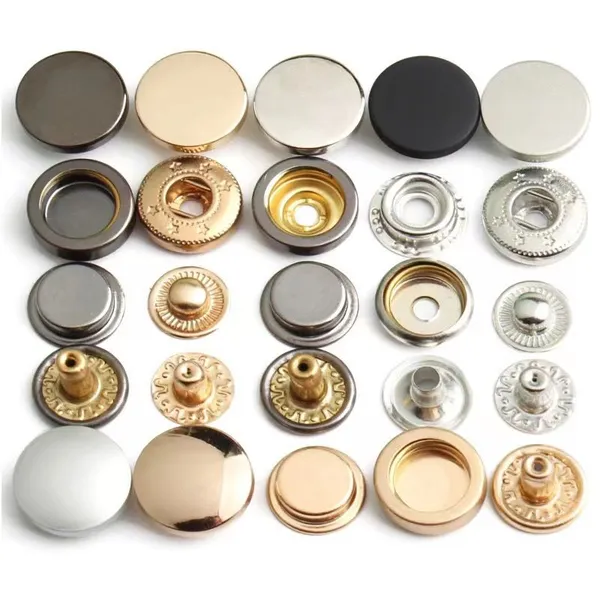
Factory Wholesale Hat Bag Clothing Press Snap Button Spring Snap Button Metal Snap ButtonsUS$ 0.03 - 0.06MOQ: 5000 Sets
-
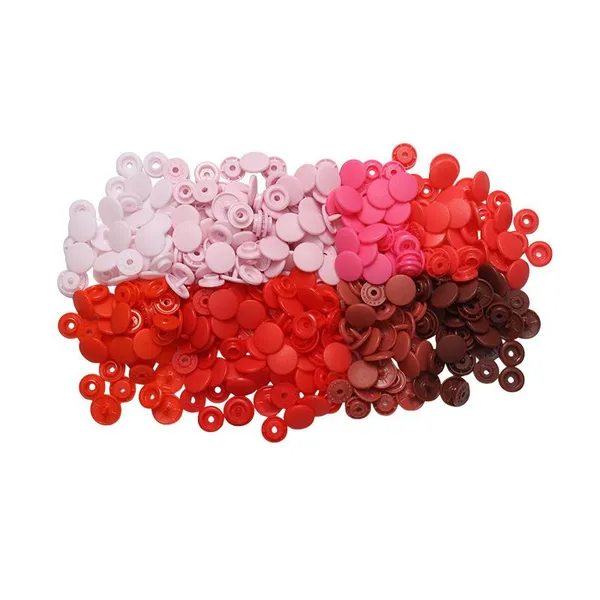
Wholesale Plastic Round Coloured Snaps Button Press Fasteners for Baby Bibs/ Baby GarmentsUS$ 0.01 - 0.03MOQ: 50000 Sets
-
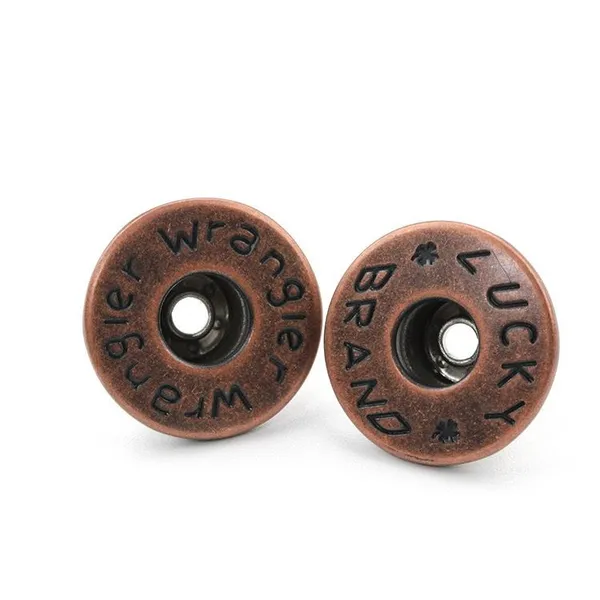
Custom EngravedCopper I Brass Metal Jeans Button Denim Clothes Jacket for Jeans DenimUS$ 0.01 - 0.03MOQ: 5000 Sets
-
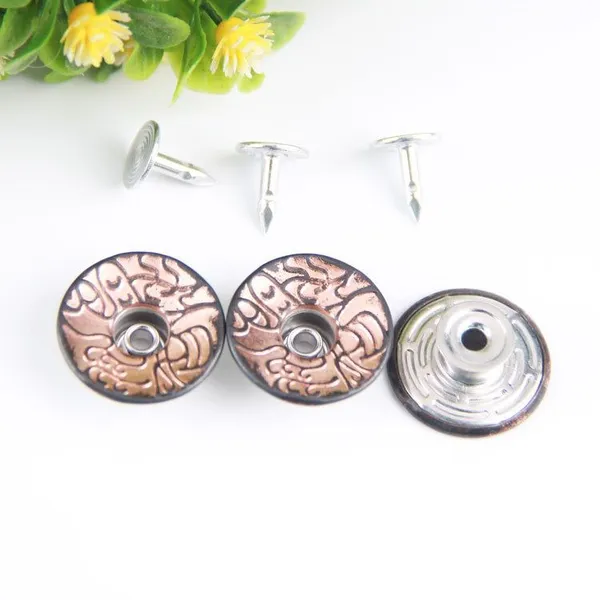
17mm Open Hole Shank Button With Aluminum Nail With Logo for Jeans Jacket PantsUS$ 0.01 - 0.03MOQ: 5000 Sets
-
Eco-friendly Custom Size Plastic Snaps Plastic Snap Button for Baby Clothes, Baby BibsUS$ 0.01 - 0.03MOQ: 50000 Sets
-
12mm 15mm 17mm 20mm Four Parts Metal Brass Fastener Press Snap Button for Clothes JacketUS$ 0.03 - 0.06MOQ: 5000 Sets
-
Custom Logo Personalized High Quality Metal Press Snap Fastener Snap Buttons for Clothing Garments JacketUS$ 0.03 - 0.06MOQ: 5000 Sets
-
Custom Printing Round Press Spring Four Part Snap Button for Clothing Leather 405#17mmUS$ 0.03 - 0.06MOQ: 5000 Sets
-
OEM Garment Accessories Custom Baby Snap Button Press Metal Prong Pearl Ring Snap ButtonUS$ 0.01 - 0.03MOQ: 5000 Sets
-
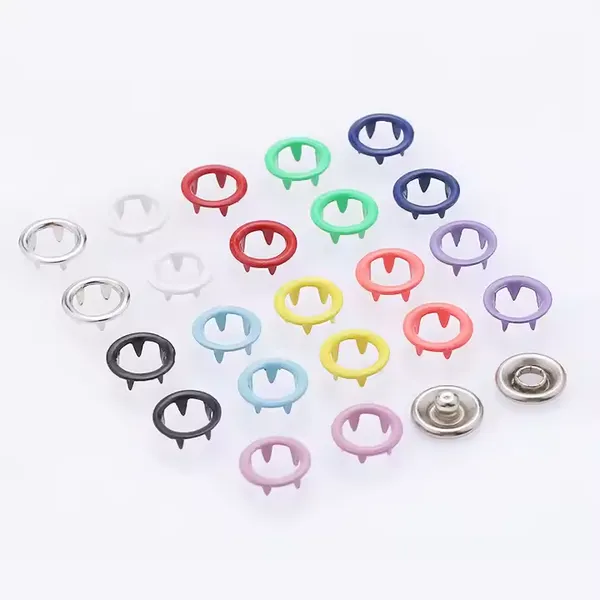
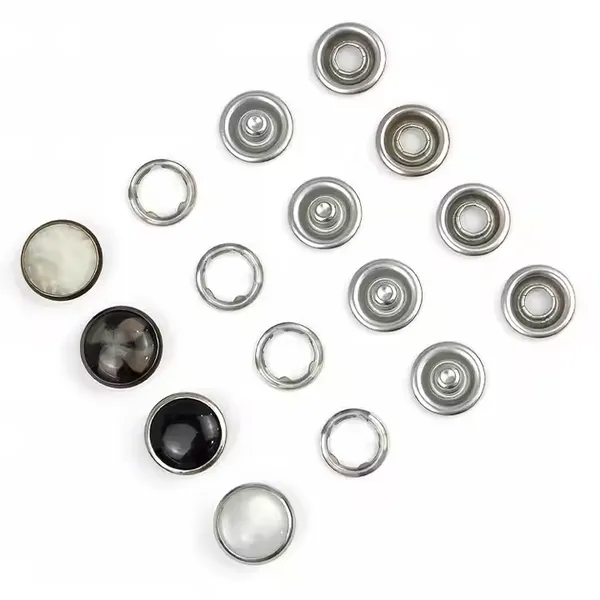
Factory Stock Buttons Stainless Steel or Brass Material Colors Pearl Snap Button Prong Pearl Snap Button for Shirts ClothingUS$ 0.01 - 0.03MOQ: 5000 Sets
-
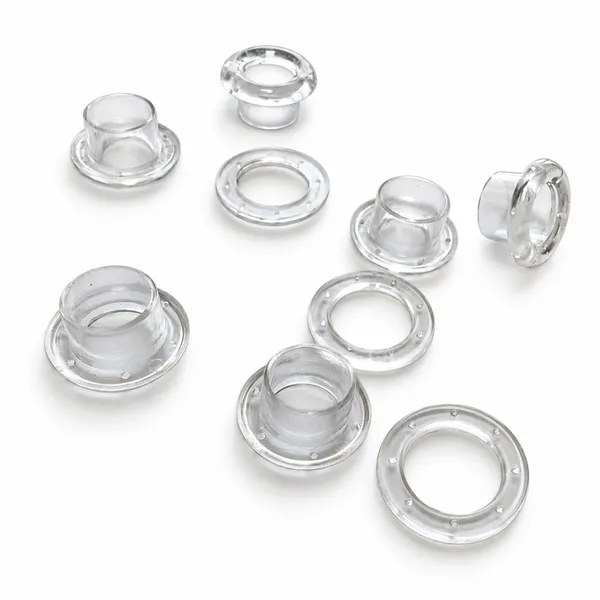
13.8mm x 7.5mm Plastic Grommet Kit for Apparel and Garment Lacing, Lightweight and FlexibleNegotiableMOQ: 5000 Sets
-
Clear Plastic Eyelet and Washer Set Two‑piece Fastener for Tote Bags Canvas and Fabric Hole Reinforcement ApplicationsNegotiableMOQ: 5000 Sets
-
13.8mm x 7.5mm Clear Plastic Eyelet and Washer Set Durable Two‑part Hardware for Fabric Reinforcement and Bag Making ApplicationsNegotiableMOQ: 5000 Sets
-
Two‑Piece Plastic Grommet and Washer Set 13.8mm x 7.5mm Clear Hardware for Banner Craft Works and Light‑weight Textile ProductionNegotiableMOQ: 5000 Sets
-
Clear Plastic Eyelet and Washer Set 13.8mm x 7.5mm for Tarps, Banners, and Awning Fabric ReinforcementNegotiableMOQ: 5000 Sets
-
Clear Plastic Eyelet and Washer Set Snap‑together Grommet Assembly Suited for Sewing Accessory and Finished Bag ManufacturingNegotiableMOQ: 5000 Sets