
 Business License
Snap Buttons for Knitwear and Lightweight Fabrics
Choosing a knitwear snap button is a different exercise from specifying one for a woven shirt, because the material around the fixing behaves differently under load. A knit is a series of interlocking loops rather than a grid of crossing threads, so a punched hole can release a run and a stretched panel can thin around the metal. Most complaints about closures on knit garments trace back to a specification that was carried over from a woven style without adjustment.
This guide covers how knit construction changes the choice of a knit fabric fastener, what reinforcement does, how setting force and post length are set for lightweight material, and which failures are worth testing for before a run is released.
1. Knitwear Snap Button Selection: Why Knit Behaves Differently
A knitwear snap button has to work with a material that extends and recovers rather than one that holds a fixed dimension. When a woven placket is pulled, the threads share the load along their length. When a knit is pulled, the loops straighten and the fabric stretches, which transfers strain to whatever is fixed inside it.
That difference changes the priority list. On a woven shirt the closure choice follows appearance and pull figure. On a knit the same two criteria matter, but a third one leads, which is how the fixing distributes load into the surrounding material. A closure that holds its own pull figure can still tear a knit panel if the flange is small.
Fabric weight sets the starting point. A fine jersey at around 140 grams per square metre behaves quite differently from a heavyweight rib at 320 grams, and the two need different flange sizes for the same closure diameter. Specifying the knitwear snap button against the fabric weight rather than against the garment category is the habit that prevents most first order problems. Difei Button (Guangzhou) Co Ltd asks for the fabric swatch with the inquiry for exactly that reason, since the weight decides the flange before the die is cut.
| Fabric weight | Typical knit | Closure approach |
|---|---|---|
| 100 - 160 gsm | Fine jersey, viscose blends | Small flange, fused patch behind |
| 160 - 240 gsm | Interlock, mid weight rib | Small flange, light interfacing |
| 240 - 320 gsm | Heavy rib, fleece backed | Standard flange, no extra backing |
| Above 320 gsm | Brushed fleece, double knit | Standard or heavy flange |
2. Knit Fabric Fastener Design: Spreading Load Without Distortion
A knit fabric fastener has to spread its load over a wider area than the same hardware would on a woven cloth. The flange on the visible side does part of that work, and a backing plate on the reverse does the rest. Without the backing, the strain concentrates at the edge of the flange and the loops around it begin to distort.
Distortion shows up as a puckered ring around the closure rather than as an immediate tear. The panel pulls in toward the metal, the garment hangs unevenly, and the defect appears within a few wearings rather than at first fitting. Once the loops have relaxed into that shape they do not recover, so the correction has to happen before the part is set.
Shape matters alongside size. A round flange spreads load evenly in all directions and suits a knit better than a narrow rectangular plate. Where a designer wants a low profile, a slightly rounded plate behind the fabric achieves the same effect without changing the visible cap.
3. Lightweight Snap Button Options for Fine Fabrics
A lightweight snap button suits fine knits because its lower setting force and smaller flange match what thin material can carry. Moving up a diameter to gain holding force works against the fabric in this case, since a larger flange over a fine loop structure increases the puckering risk rather than lowering it.
Material choice also shifts on lightweight fabric. A metal closure carries more mass and presses its own weight into a thin panel, while a moulded POM closure of the same diameter weighs a fraction of it. On a fine jersey knit that difference is visible in how the placket hangs.
The spring force is the third variable and is often overlooked. A lightweight snap button specified with a light spring opens with gentle pressure and pulls less on the fabric each time it is released. A heavier spring on the same panel puts more strain into the loops at every opening, and the effect accumulates over a season of wear.
| Option | Weight | Setting force | Suits |
|---|---|---|---|
| Moulded POM, 9 mm | Low | Low | Fine jersey, babywear |
| Metal, 9 - 10 mm | Moderate | Low to moderate | Mid weight knit |
| Metal, 12 mm | Moderate | Moderate | Rib and interlock |
| Covered button with snap | Moderate | Moderate | Knitwear where the closure shows |
4. Knit Fabric Fastener Reinforcement Options
Reinforcement is the step that decides whether a knit fabric fastener survives a garment life, and it is also the step most often left out of a first specification. A fused interfacing patch on the reverse side stabilises the loops around the hole without adding visible bulk. A woven tape strip does the same job along a placket and suits a row of closures placed in a line.
A separate backing plate is the strongest option and the easiest to specify, because it goes in with the hardware and does not depend on a fusing step. It adds a small amount of material cost and one step in setting. On a fine knit where both a patch and a plate could be used, the plate is usually the choice because it does not rely on the press operator aligning a fusing operation.
Reinforcement has to be specified together with the closure rather than after sampling. Adding a patch once the die is cut means a fresh sample, a fresh pull figure and a later ship date, because the change affects the post length as well as the panel. Difei treats reinforcement as part of the closure specification rather than as a garment side decision, which keeps the two from being agreed separately.
| Method | How it works | Suits | Watch for |
|---|---|---|---|
| Fused interfacing | Stiffens the loops around the hole | Single closures on fine knit | Fusing marks on delicate knit |
| Woven tape strip | Stabilises a row along a placket | Multiple closures in a line | Tape edge showing through |
| Backing plate | Spreads load with the hardware | Thin or stretchy panels | Extra setting step |
| Double fabric layer | Adds material at the placket | Soft casual knitwear | Bulk at the closure point |
5. Knitwear Snap Button Setting Force and Loop Damage
Setting force is the variable most likely to damage a knit at the press, and it is invisible on the finished garment until the loops relax. A force set for a woven cotton placket will cut through the loops of a fine jersey rather than seating the post, because the material offers less resistance to the punch. The damage appears as a small cut edge that opens into a run after a few washes.
The correct approach is to set the press to the lowest force that produces a complete roll rather than to a figure carried over from another style. A properly rolled post forms a continuous lip against the reverse of the fabric, and an incomplete roll shows as a partial curl that lifts under load.
Difei Button (Guangzhou) sets knitwear closures on a press calibrated for the fabric weight and records the setting force on the sample sheet, so a repeat order does not drift back to a heavier setting that suits a woven panel.
6. Lightweight Snap Button Post Length for Stretch Fabric
Post length on a lightweight snap button is written against the compressed thickness of the material stack rather than its relaxed thickness. A knit compresses under the press and springs back afterwards, so a post sized to the relaxed panel will be too short once the material recovers. The roll then holds on a thin layer rather than on the full stack.
Reinforcement changes the calculation again. A backing plate or an interfacing patch adds roughly 0.2 to 0.5 millimetres to the stack, and that figure has to be included before the post is ordered. Tripling a check on the real fabric stack at the sampling stage costs a few minutes and prevents a whole production run of undersized posts.
The error runs in both directions. A post that is too long on a stretch panel will stand proud of the surface, and on a knit that rides against skin it will press into the wearer. Both conditions are visible in the first hundred pieces if the panel is checked with the fabric in its relaxed state.
7. Testing a Knit Fabric Fastener Through Repeated Wear
A knit fabric fastener is tested inside the real fabric stack rather than as a loose part, because the fabric contributes to the result. A pull test on a bare closure measures the spring and the roll. The same test on a closure set into a knit measures how the loops around the fixing behave, which is the number the wearer experiences.
Cycle testing follows the same logic. Opening and closing the closure several hundred times in the fabric shows whether the loops recover after each release or gradually thin. A closure that holds its fresh pull figure and loses it after cycling has told you something a single measurement cannot.
Garment washing belongs in the sequence as well. A knit panel relaxes through a wash cycle, which changes the load path around the fixing even though the closure itself is unchanged. Testing after a defined wash programme gives a figure that matches what the customer will meet rather than what the sample room produced.
8. Knitwear Snap Button Failures and Prevention
Four failures account for most knitwear snap button complaints, and each has a specific cause. A run or ladder starting at the fixing comes from a setting force above what the loop structure can take. A puckered ring around the closure comes from a flange or backing that is too small for the fabric weight.
A closure that pulls out of the panel points to a post that is too short once the knit has recovered, or to a missing backing plate. A closure that loosens over a season usually reflects a spring specified for a heavier fabric, where the repeated release force has been pulling at the loops since the garment was first worn.
An activewear brand working with Difei once had a run of complaints about ladders starting at a placket closure on a fine jersey top. The hardware met its pull figure and the flange was sized for the closure diameter rather than for the fabric. Reducing the setting force by about 20 per cent and adding a fused patch behind each fixing removed the defect, and the closure itself never changed.
A second buyer had the opposite symptom on a heavy rib cardigan, where two closures in the row felt loose after a single season. The spring had been specified at the light end, which suited the fine knit range but not a 300 gsm rib. Moving that style to a heavier spring fixed the feel without altering the visible hardware.
9. Frequently Asked Questions
9.1 How do I choose a knitwear snap button size?
Start from the fabric weight rather than from the garment category, because a fine jersey and a heavy rib need different flange sizes for the same closure diameter. A knitwear snap button on a 140 gsm jersey usually works at 9 to 10 millimetres with a fused patch behind each fixing. The same fabric at 320 gsm can take a 12 millimetre closure with no extra backing at all. Confirming the choice on the real fabric stack at sampling is far faster than correcting a puckered placket later in production.
9.2 What reinforcement does a knit fabric fastener need?
It depends on the fabric weight and on how many closures sit in a row. A fused interfacing patch stabilises the loops around a single fixing on fine knit, while a woven tape strip suits a placket carrying several closures in a line. A separate backing plate is the strongest option because it arrives with the hardware and does not depend on a fusing step. All three should be specified before the die is cut, since each one changes the required post length.
9.3 Will a lightweight snap button hold on stretch fabric?
Yes, provided the load is spread and the spring force is matched to the material. A lightweight snap button with a light spring releases under gentle pressure and puts less strain into the loops at each opening. Reinforcement behind the fixing keeps the strain from concentrating at the edge of the flange, which is where a knit begins to pucker. Testing the closure inside the real fabric stack confirms the result better than a figure measured on a loose part.
9.4 Why does a closure loosen on a knit garment?
Most loosening comes from a spring that is heavier than the fabric can tolerate, so every release pulls at the surrounding loops. Over a season the loops thin and the closure begins to feel slack even though the metal is unchanged. A post that is too short once the knit has recovered produces a similar symptom from a different cause. Checking both the spring force and the post length against the fabric weight resolves the two cases before a run is released.
Recently Posted
-
Buttons for Bedding, Pillow Covers and Home Textiles
September 28, 2026A home textile button lives a harder life than a garment closure, because it is unfastened to wash and refastened when the item go Read More
 -
Specifying Button Tolerances on a Purchase Order
September 28, 2026Two shipments can both match the drawing and still fail to work together, because a nominal figure says nothing about where inside Read More
 -
Ordering Custom Badges: Tooling, Backing and Approval Steps
September 28, 2026A custom metal badge order fails for one of three reasons, and none of them is the price of the metal. The artwork is approved bef Read More
 -
Shank Button vs Flat Button: Matching Construction to Garment Weight
September 28, 2026The shank button vs flat button decision looks like a styling question and behaves like a structural one, because the two parts ha Read More

Contact Us
Recommended Products
-
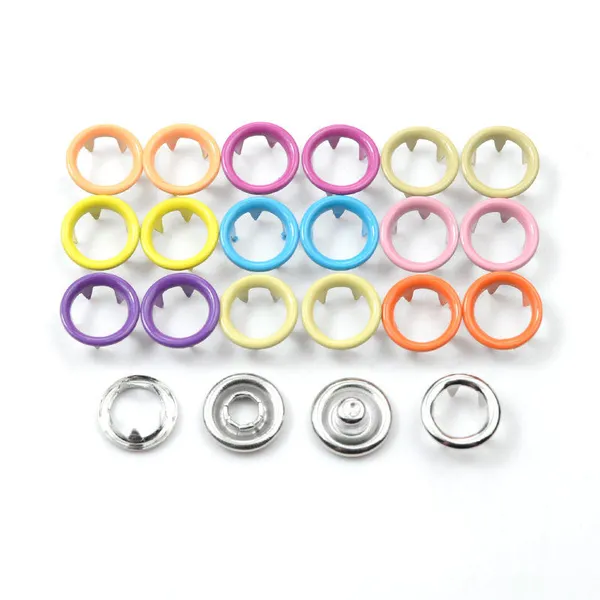
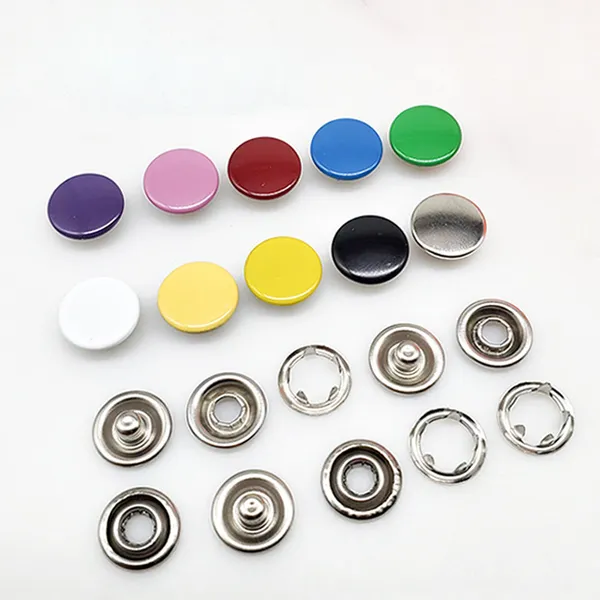
 Clothing Accessories Lead Free Brass Metal Ring Prong Snap Button With 4 Parts for Infant Baby Clothes Baby BibsUS$ 0.01 - 0.03MOQ: 5000 Sets
 -
Brass Metal Stainless Steel Material Ring Prong Snap Button With 4 Parts Lead Free & Nickel Free for Infant Baby Clothes Baby Bibs Baby SuitsUS$ 0.01 - 0.03MOQ: 5000 Sets
-
Metal Grommets Eyelets Gold Eyelet for Bag Shoes and Garment AccessoriesUS$ 0.01 - 0.03MOQ: 5000 Sets
-
Cheap Price Custom Jeans Button Metal Custom Logo Metal Button for JeansUS$ 0.01 - 0.03MOQ: 5000 Sets
-
Factory Wholesale Hat Bag Clothing Press Snap Button Spring Snap Button Metal Snap ButtonsUS$ 0.03 - 0.06MOQ: 5000 Sets
-
Wholesale Plastic Round Coloured Snaps Button Press Fasteners for Baby Bibs/ Baby GarmentsUS$ 0.01 - 0.03MOQ: 50000 Sets
-
Custom EngravedCopper I Brass Metal Jeans Button Denim Clothes Jacket for Jeans DenimUS$ 0.01 - 0.03MOQ: 5000 Sets
-
17mm Open Hole Shank Button With Aluminum Nail With Logo for Jeans Jacket PantsUS$ 0.01 - 0.03MOQ: 5000 Sets
-
Eco-friendly Custom Size Plastic Snaps Plastic Snap Button for Baby Clothes, Baby BibsUS$ 0.01 - 0.03MOQ: 50000 Sets
-
12mm 15mm 17mm 20mm Four Parts Metal Brass Fastener Press Snap Button for Clothes JacketUS$ 0.03 - 0.06MOQ: 5000 Sets
-
Custom Logo Personalized High Quality Metal Press Snap Fastener Snap Buttons for Clothing Garments JacketUS$ 0.03 - 0.06MOQ: 5000 Sets
-
Custom Printing Round Press Spring Four Part Snap Button for Clothing Leather 405#17mmUS$ 0.03 - 0.06MOQ: 5000 Sets
-
OEM Garment Accessories Custom Baby Snap Button Press Metal Prong Pearl Ring Snap ButtonUS$ 0.01 - 0.03MOQ: 5000 Sets
-
Factory Stock Buttons Stainless Steel or Brass Material Colors Pearl Snap Button Prong Pearl Snap Button for Shirts ClothingUS$ 0.01 - 0.03MOQ: 5000 Sets
-
Resin Snap Buttons 9mm POM Heavy Duty Closure Parts for Baby Bibs and Textile Handmade Sewing ProductionNegotiableMOQ: 50000 Sets
-
13.8mm x 7.5mm Plastic Grommet Kit for Apparel and Garment Lacing, Lightweight and FlexibleNegotiableMOQ: 5000 Sets
-
Clear Plastic Eyelet and Washer Set Two‑piece Fastener for Tote Bags Canvas and Fabric Hole Reinforcement ApplicationsNegotiableMOQ: 5000 Sets
-
13.8mm x 7.5mm Clear Plastic Eyelet and Washer Set Durable Two‑part Hardware for Fabric Reinforcement and Bag Making ApplicationsNegotiableMOQ: 5000 Sets
-
Two‑Piece Plastic Grommet and Washer Set 13.8mm x 7.5mm Clear Hardware for Banner Craft Works and Light‑weight Textile ProductionNegotiableMOQ: 5000 Sets
-
Clear Plastic Eyelet and Washer Set 13.8mm x 7.5mm for Tarps, Banners, and Awning Fabric ReinforcementNegotiableMOQ: 5000 Sets