
 Business License
Plating and Coating Options for Metal Snap Buttons
Two orders can use identical brass underneath and behave completely differently after a year of wear, because the snap button surface finish carries as much of the outcome as the alloy does. Plating decides colour, corrosion resistance, abrasion life and whether the part clears a nickel restriction in the destination market. A buyer who specifies the metal and leaves the coating to the factory has handed over the decision that most often generates a claim.
This guide covers what a coating has to do, how a nickel free snap button is specified, what anti tarnish plating buys, how thickness is measured and reported, and how to write the whole requirement onto a purchase order.
1. Snap Button Surface Finish: What the Coating Has to Do
A snap button surface finish carries four jobs at once, and each of them has to be stated on a drawing rather than assumed. It sets the colour that the buyer approved at sampling and slows corrosion of the base metal beneath. It resists the abrasion a closure takes every time it is opened, and it has to satisfy any chemical restriction that applies in the destination market.
Those four jobs pull against each other, so a finish is always a compromise rather than a single figure. A thick coating resists abrasion and can dull a bright colour. A coating formulated to stay bright may use a chemistry that one market restricts. Sorting the priority in advance decides the rest of the specification.
The base metal still matters and a coating cannot rescue a poor choice entirely. Brass carries plating cleanly because it takes a smooth surface before the bath. Zinc alloy plates acceptably but sits further behind under sustained humidity. Stainless steel needs no coating for corrosion at all, which is why it is often left bare or given a light passivation instead.
| Job | What it means in practice | Typical target |
|---|---|---|
| Colour control | Matching the approved sample across runs | Within a stated colour difference band |
| Corrosion resistance | Holding appearance through humidity and washing | A salt spray figure in hours |
| Abrasion resistance | Surviving repeated opening and laundering | Coating thickness in microns |
| Chemical compliance | Clearing nickel and heavy metal limits | A test report against the relevant standard |
2. Nickel Free Snap Button Options and Why Markets Ask for Them
Nickel is released from plated trim by sweat, and a small share of the population reacts to it with contact dermatitis. That is why a nickel free snap button is a routine requirement rather than an unusual one for anything worn against the skin. The restriction usually arrives as a release limit rather than as a ban on the element, so the specification is a test figure rather than a material name.
Three routes clear a nickel restriction, and each carries its own cost and appearance limits. The first is a nickel free layer such as bright tin or a palladium flash over a suitable barrier. The second is stainless steel left unplated, and the third is a POM or other engineering plastic part where the design allows it.
Ordering a nickel free snap button also changes the moulding and handling around it. Plated parts have to be kept away from nickel plated tooling and from barrels used for other finishes, since cross contamination shows up as a failed release test rather than as a visible defect.
| Route | How it works | Trade off |
|---|---|---|
| Nickel free plating | Bright tin or palladium flash over a barrier layer | Slightly softer surface than nickel |
| Unplated stainless steel | No coating at all, native oxide protects the surface | Narrower colour and shape range |
| Engineering plastic | POM or similar moulded part | Lower pull figure than metal |
3. Anti Tarnish Plating: How It Slows Colour Change
Anti tarnish plating is a coating designed to hold its colour rather than to add hardness. Untreated brass darkens in air as sulphur compounds reach the surface, and that shift is what a customer sees as a worn button after a few months in a drawer. A tarnish resistant layer slows the reaction enough that the colour holds across a normal garment life.
The finish most often specified under this heading is an antique or oxidised look sealed with a clear topcoat. A lacquer or electrophoretic layer blocks the atmosphere from the metal below and can add two or three years of appearance life on a decorative closure. Removing that topcoat by mechanical abrasion is what limits the result in practice, since the protection sits on the surface rather than inside the alloy.
Anti tarnish plating is worth specifying together with a laundering statement. A closure on a jacket that is dry cleaned twice a season sees different chemistry from one on a shirt that is washed forty times a year, and the same coating serves the two cases differently.
4. Anti Tarnish Plating Thickness Measured in Microns
Thickness is the figure that turns a finish from a description into a specification. Plating is quoted in microns, and a garment closure typically carries a total stack between about 3 and 12 microns depending on the layer. A nickel barrier sits under the colour layer in many builds, with the top coat carrying the appearance.
A coating measured at one micron offers little abrasion life and will show the base metal at the rim within weeks of daily use. A build quoted at 8 microns on the same part will survive years of the same handling, which is why two quotations for a visually identical button can differ by a wide margin on price.
The measurement method matters as much as the figure, since a plating report states where on the part the reading was taken. A reading from a flat face says little about the thickness at the rolled edge, and the edge is where wear begins. Difei Button records the reading location on the report so a buyer can see which surface was measured.
5. Salt Spray Testing a Coated Snap Button
Salt spray testing puts a finished part into a chamber of salt mist and records how long it takes before corrosion appears. A neutral salt spray run of 24 to 96 hours covers most garment trim requirements, with outdoor and marine applications moving to the upper end. The result is quoted in hours together with the appearance standard that was applied.
Two details decide whether a salt spray figure is meaningful. The test has to run on a finished plated part rather than on the raw material, because the coating decides the outcome and a raw brass sample says nothing about the coating above it. The acceptance criterion has to be stated too, since one report ends at first white spot and another runs to a percentage of surface area affected.
A buyer comparing two suppliers should ask for the same test duration and the same acceptance rule from both. Reports quoted against different criteria cannot be ranked, even when both carry a number in hours.
6. Which Plating Route Suits a Snap Button
Electroplating remains the default for metal closures because it coats a complex shape evenly and reaches the rolled edges that matter most. PVD, or physical vapour deposition, lays down a harder and more abrasion resistant layer and suits parts that will be handled heavily, though the colour range is narrower than electroplating offers.
Powder coating and painting sit at the other end of the scale. They build a thicker film that hides surface marks and gives strong colour control, and they suit decorative caps on fashion garments where the closure is not expected to take a heavy load. A painted film typically runs 30 to 60 microns thick, well above an electroplated layer, which explains both its colour coverage and its tendency to chip at an edge under impact.
Difei Button (Guangzhou) runs its closures through electroplating lines with PVD available on request, which lets a buyer keep one colour reference across a mixed trim order. The route is written on the sample sheet so a repeat order does not quietly change process.
| Route | Strength | Limitation | Suits |
|---|---|---|---|
| Electroplating | Even coverage on complex shapes | Moderate hardness | Most garment closures |
| PVD | High abrasion resistance | Narrower colour range | Heavily handled parts |
| Powder or paint | Strong colour control | Can chip at an edge | Decorative fashion caps |
7. Snap Button Surface Finish Colours and How They Age
Colour is the most visible part of a snap button surface finish and the hardest to hold constant across runs. Nickel gives a bright silver, antique brass a warm dark tone, black nickel a near black, and gunmetal a grey with a slight blue cast. Each reads differently against a fabric, and each ages by a different route.
Bright plated colours change by dulling as the surface micro scratches accumulate. Antique finishes change by losing the depth of the oxidised layer as high points polish themselves. Painted finishes change by chipping rather than by fading, so a chip is sudden rather than gradual.
A useful habit at sampling is to keep the approved colour reference as a physical sealed part rather than as a photograph. Screen colour varies between devices and a photograph cannot settle a dispute about whether a shipment matches. Difei keeps the sealed reference on file for exactly that reason.
8. Writing a Snap Button Surface Finish onto a Purchase Order
Writing a snap button surface finish onto a purchase order takes five lines and removes most of the arguments that follow. Name the colour, the plating route, the thickness in microns, the salt spray duration and the acceptance rule, and attach the compliance test the market requires. A supplier quoting against those five lines prices the same object as the next supplier. Difei Button (Guangzhou) Co Ltd keeps a sealed colour reference for every finish and issues the salt spray report with the shipment.
A childrenswear buyer once moved a placket closure from bright nickel to a nickel free build to meet a market restriction, and the first shipment passed the release test while the colour came out noticeably duller than the approved sample. The cause was the barrier layer, which had been thickened to carry the load that nickel had previously taken. Adjusting the top coat and holding the barrier nearer 4 microns brought the colour back without touching the compliance result.
A bag maker faced the opposite problem and asked for a heavy antique finish on a cap that would be handled daily. The oxidised layer wore through at the rim within a season. Moving the same colour to a PVD layer behind a thin topcoat fixed the wear without changing the look. Both cases point the same way, which is that the finish has to be chosen against the use rather than against the sample alone.
9. Frequently Asked Questions
9.1 What does nickel free mean on a snap button?
It means the finished part releases nickel below the limit set by the destination market, which is measured on the plated article rather than on the raw metal. A nickel free snap button usually carries a bright tin or palladium layer instead, or uses stainless steel and stays unplated. The limit applies to release under sweat, so a coating that contains no nickel can still fail if contaminated tooling transfers metal onto the surface. Asking for a test report on the finished part is more useful than asking for a material declaration.
9.2 How long does anti tarnish plating last?
Anti tarnish plating holds colour for roughly two to three years on a garment closure that is handled normally, and shorter on a part that is abraded at the rim. The figure depends on thickness, on whether a topcoat seals the surface, and on the chemistry the garment meets over its life. A closure on dry cleaned outerwear sees far less aggression than one on a shirt washed forty times a year. Quoting a salt spray duration alongside the expected wash route gives a comparable number.
9.3 Is a thicker coating always better?
Not automatically, because a thick coating can round off fine detail and dull a bright colour that the buyer approved. Anti tarnish plating thickness is chosen against the handling the part will see, and a decorative cap on a fashion garment often needs less than a closure on a workwear front. The practical approach is to set a minimum thickness that matches the use and a maximum that protects the appearance. Both limits belong on the drawing, and a supplier who quotes a single figure has answered half the question.
9.4 How do I compare two plating quotations?
Ask both suppliers for the same five figures, which are colour reference, plating route, thickness in microns, salt spray hours and the acceptance rule applied. A quotation that gives a route without a thickness cannot be compared with one that gives both. Requesting the salt spray report on a finished part rather than on raw material closes the remaining gap. Once the five figures match, any remaining difference in price reflects the process rather than the specification, which means a lower quote has left out a step worth naming.
Recently Posted
-
Snap Buttons for Knitwear and Lightweight Fabrics
September 24, 2026Choosing a knitwear snap button is a different exercise from specifying one for a woven shirt, because the material around the fix Read More
 -
Oeko-Tex Standard 100 and Button Compliance: What to Verify
September 24, 2026Compliance questions arrive late in most trim orders, usually after a garment buyer has been asked for a certificate that nobody o
Read More -
Packaging, Carton Configuration and Shipping Terms for Button Orders
September 24, 2026A button order is small in value and heavy in handling, which makes button packaging the part of the transaction that most often p Read More
 -
Snap Button Anatomy: Cap, Socket, Stud and Post Explained
September 24, 2026Ask five suppliers to name the snap button parts on a single card and you will collect five different vocabularies for hardware th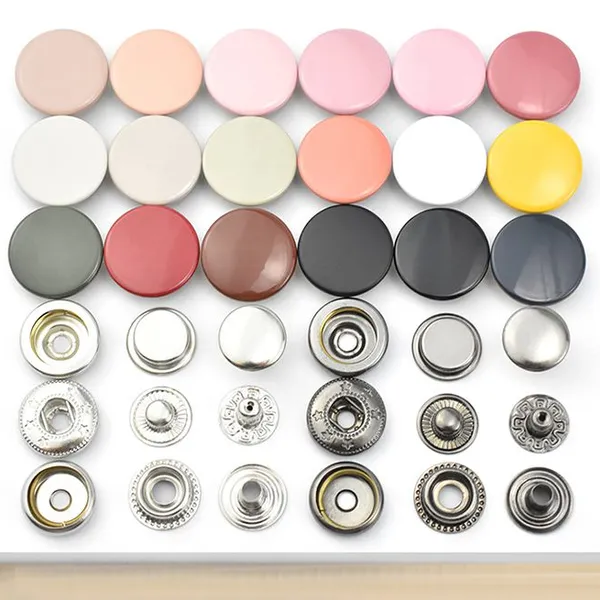 Read More

Contact Us
Recommended Products
-
 Clothing Accessories Lead Free Brass Metal Ring Prong Snap Button With 4 Parts for Infant Baby Clothes Baby BibsUS$ 0.01 - 0.03MOQ: 5000 Sets
 -
Brass Metal Stainless Steel Material Ring Prong Snap Button With 4 Parts Lead Free & Nickel Free for Infant Baby Clothes Baby Bibs Baby SuitsUS$ 0.01 - 0.03MOQ: 5000 Sets
-
Metal Grommets Eyelets Gold Eyelet for Bag Shoes and Garment AccessoriesUS$ 0.01 - 0.03MOQ: 5000 Sets
-
Cheap Price Custom Jeans Button Metal Custom Logo Metal Button for JeansUS$ 0.01 - 0.03MOQ: 5000 Sets
-
Factory Wholesale Hat Bag Clothing Press Snap Button Spring Snap Button Metal Snap ButtonsUS$ 0.03 - 0.06MOQ: 5000 Sets
-
Wholesale Plastic Round Coloured Snaps Button Press Fasteners for Baby Bibs/ Baby GarmentsUS$ 0.01 - 0.03MOQ: 50000 Sets
-
Custom EngravedCopper I Brass Metal Jeans Button Denim Clothes Jacket for Jeans DenimUS$ 0.01 - 0.03MOQ: 5000 Sets
-
17mm Open Hole Shank Button With Aluminum Nail With Logo for Jeans Jacket PantsUS$ 0.01 - 0.03MOQ: 5000 Sets
-
Eco-friendly Custom Size Plastic Snaps Plastic Snap Button for Baby Clothes, Baby BibsUS$ 0.01 - 0.03MOQ: 50000 Sets
-
12mm 15mm 17mm 20mm Four Parts Metal Brass Fastener Press Snap Button for Clothes JacketUS$ 0.03 - 0.06MOQ: 5000 Sets
-
Custom Logo Personalized High Quality Metal Press Snap Fastener Snap Buttons for Clothing Garments JacketUS$ 0.03 - 0.06MOQ: 5000 Sets
-
Custom Printing Round Press Spring Four Part Snap Button for Clothing Leather 405#17mmUS$ 0.03 - 0.06MOQ: 5000 Sets
-
OEM Garment Accessories Custom Baby Snap Button Press Metal Prong Pearl Ring Snap ButtonUS$ 0.01 - 0.03MOQ: 5000 Sets
-
Factory Stock Buttons Stainless Steel or Brass Material Colors Pearl Snap Button Prong Pearl Snap Button for Shirts ClothingUS$ 0.01 - 0.03MOQ: 5000 Sets
-
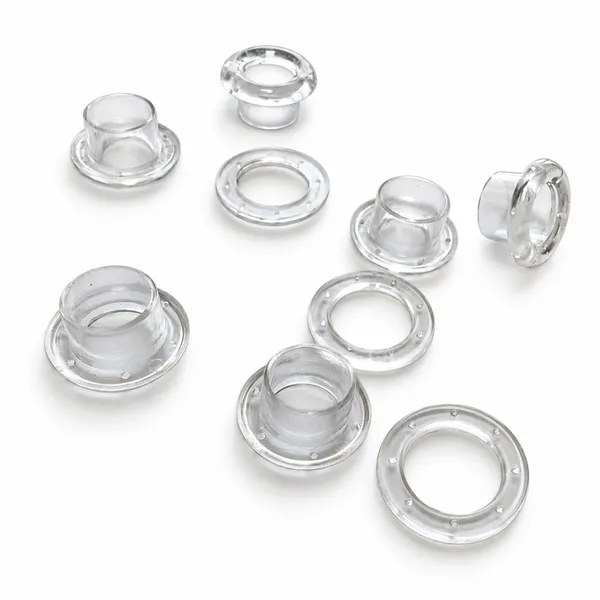
13.8mm x 7.5mm Plastic Grommet Kit for Apparel and Garment Lacing, Lightweight and FlexibleNegotiableMOQ: 5000 Sets
-
Clear Plastic Eyelet and Washer Set Two‑piece Fastener for Tote Bags Canvas and Fabric Hole Reinforcement ApplicationsNegotiableMOQ: 5000 Sets
-
13.8mm x 7.5mm Clear Plastic Eyelet and Washer Set Durable Two‑part Hardware for Fabric Reinforcement and Bag Making ApplicationsNegotiableMOQ: 5000 Sets
-
Two‑Piece Plastic Grommet and Washer Set 13.8mm x 7.5mm Clear Hardware for Banner Craft Works and Light‑weight Textile ProductionNegotiableMOQ: 5000 Sets
-
Clear Plastic Eyelet and Washer Set 13.8mm x 7.5mm for Tarps, Banners, and Awning Fabric ReinforcementNegotiableMOQ: 5000 Sets
-
Clear Plastic Eyelet and Washer Set Snap‑together Grommet Assembly Suited for Sewing Accessory and Finished Bag ManufacturingNegotiableMOQ: 5000 Sets