
 Business License
Oeko-Tex Standard 100 and Button Compliance: What to Verify
Compliance questions arrive late in most trim orders, usually after a garment buyer has been asked for a certificate that nobody obtained at the sampling stage. The Oeko-Tex Standard 100 button requirement is the one that appears most often, and it sits alongside CPSIA button rules for the United States and a set of market specific limits for everything else. Knowing which certificate covers which material saves a shipment from being held at the port.
This guide explains what the Oeko-Tex certificate covers on a metal or plastic closure, why garment accessory testing runs separately from fabric testing, what CPSIA requires for children's products, and how to keep a certificate valid across repeat orders.
1. Oeko-Tex Standard 100 Button Certification: What It Covers
Oeko-Tex Standard 100 is a testing and certification scheme for harmful substances in textile articles and the accessories attached to them. An Oeko-Tex Standard 100 button certificate confirms that the closure has been tested against the limits for the product class it belongs to, and that the result sits within them. The certificate applies to the specific article, colour and production route that was tested rather than to a supplier's whole catalogue.
The scheme divides products into classes by how much skin contact they see. Baby articles sit in the strictest class, articles worn close to the skin in the next, and outerwear and furnishings in the least strict. A closure used on a children's shirt is therefore held to a tighter limit than the same closure on a coat, even though the hardware is identical.
The certificate names the article and the class, and both need to match the order. A supplier that holds a certificate for the same button in a different plating colour has not certified the colour being shipped, because the plating chemistry is part of what was tested. Difei keeps the certificate scope on the specification sheet for every article it quotes, so the class and the colour are visible before an order is placed.
| Product class | Contact level | Typical use |
|---|---|---|
| Class I | Articles for babies and young children | Babywear, infant sleepwear |
| Class II | Articles worn close to the skin | Shirts, blouses, underwear |
| Class III | Articles worn away from the skin | Jackets, coats, outerwear |
| Class IV | Furnishing and decoration materials | Curtains, upholstery, trim displays |
2. Garment Accessory Testing: Why Trim Is Tested Separately
Garment accessory testing exists because a garment certificate covers the fabric and not the hardware attached to it. A mill certificate that clears a roll of cloth says nothing about the nickel release of the buttons sewn onto the finished shirt. Buyers who assume the fabric certificate extends to the trim discover the gap when a lab asks for a separate sample of the closure.
The reason is chemical rather than procedural. Metal trim introduces alloying elements and plating chemistries that do not appear in a woven fabric, and each of those carries its own limit. Testing a closure means testing the plated surface as well as the substrate, because a part can pass on the base metal and fail on the coating above it.
Garment accessory testing also covers mechanical points on children's products. A closure that a child can detach and swallow is a hazard independent of any chemical limit, and pull tests are run to confirm that the part stays attached under a defined force. The chemical and mechanical sides of accessory testing are usually reported separately even when a lab handles both.
3. CPSIA Button Requirements for the United States
CPSIA button rules apply to children's products sold in the United States and cover lead content, phthalates and small part hazards. A CPSIA button test typically reports total lead in the substrate and in any surface coating, since a plated part can carry lead in the plating even where the alloy underneath is clean. Phthalate limits apply to plastic components, which brings POM and similar moulded parts into scope.
The small parts requirement is mechanical rather than chemical and matters as much as the limits. A closure that separates from the garment under a defined pull becomes a choking hazard, and the test is run on the finished garment rather than on the loose button. That means a specification decision about post length and setting force is also a compliance decision.
Children's products also require testing by an accredited third party laboratory rather than by the supplier's own facility. A mill test report issued by a factory does not satisfy the requirement, and a shipment that arrives with the wrong document type is treated as untested.
4. Garment Accessory Testing by Market: EU, US and Others
Requirements differ enough between markets that one test report rarely covers everything. The European Union approach relies on a general chemical restriction list together with a specific nickel release limit for items in prolonged skin contact. The United States route runs through CPSIA for children's products and through state level rules for other categories. Markets in Asia and the Middle East often reference international standards rather than publishing their own.
The practical consequence is that a buyer selling into several regions needs a matrix rather than a single certificate. A closure that clears the European nickel limit may still fail a United States lead limit on the coating, and neither result predicts the phthalate position for a plastic part.
The table below sets out what each market typically asks for on a metal or plastic closure.
| Market | Chemical focus | Mechanical focus | Document type |
|---|---|---|---|
| European Union | Azo dyes, heavy metals, nickel release | Sharp edges, small parts | Scheme certificate plus lab report |
| United States | Total lead, phthalates | Small parts, pull test | Accredited third party report |
| Other regions | International standard limits | Set by the buyer | Buyer specified |
5. Reading a Garment Accessory Testing Report
A test report is useful when four pieces of information appear on it. The first is the article description, which should name the material, the colour and the plating route rather than a generic product family. The second is the standard the sample was tested against, since a result quoted without a standard cannot be judged.
The third is the sampling basis, which states whether the lab tested a loose part or a closure set into fabric. The two preparations give different results on a pull test. The fourth is the laboratory accreditation, because a report from an unaccredited facility carries no weight with a customs authority or a retail buyer.
A report that lists a result without naming the limit leaves the reader to guess whether the figure passes. Reading a garment accessory testing report therefore means checking that the limit appears next to the measured value rather than assuming that a number below one hundred means compliance. Difei Button (Guangzhou) attaches the limit column to every report it forwards, so a buyer can read the verdict without a second document.
6. CPSIA Button Testing and the Third Party Lab Requirement
A CPSIA button submission has to come from a laboratory the regulator recognises, and the laboratory tests the finished garment or the component as specified. The supplier prepares the sample and the paperwork, but cannot issue the certificate itself. That division is worth stating early, because a schedule built around a factory report will need rebuilding once the real requirement is understood.
The sample itself also has to be representative. A lab testing a hand polished sample from a sample room has not tested the production route, and a later audit that compares the submitted part with the shipped part will show the difference. Sending parts taken from the regular line removes that risk at the cost of a few days.
Difei Button (Guangzhou) Co Ltd sends production parts to an accredited laboratory for CPSIA button submissions and keeps the report tied to the batch reference, so a buyer can match a certificate to the exact cartons received.
7. Oeko-Tex Standard 100 Button Limits for Dyes and Metals
The Oeko-Tex Standard 100 button limits cover a defined list of substances, and a few of them carry most of the risk on trim. Azo dyes that can release certain aromatic amines are restricted, though the risk sits with dyed plastic and coated surfaces rather than with bare metal. Formaldehyde is limited because it appears in some resin finishes and in certain textile treatments.
Heavy metals cover a longer list, and on a metal closure the plating is where they usually appear. Cadmium and lead limits apply to the coating as well as to the substrate, which is why a supplier should be able to state the chemistry of each plating layer. Nickel sits under a separate release limit for items in prolonged skin contact rather than under the general heavy metal list.
An extractable heavy metal test on a metal closure also requires the lab to prepare the sample according to the standard rather than to grind it into powder. Grinding exposes the substrate inside the part and produces a result that describes a material nobody will wear, which is a distinction worth confirming with the laboratory before sampling.
8. Keeping Oeko-Tex Standard 100 Button Certificates Valid
A certificate has a validity period and a scope, and both need attention across repeat orders. Most scheme certificates run for one year, after which the supplier either renews against a fresh test or the document lapses. A buyer planning a production run beyond that window should confirm the renewal date rather than assume the certificate still holds.
The scope side is easier to lose. A certificate naming one colour does not cover a second colour added later, and a certificate naming a plated brass closure does not extend to a stainless steel substitute introduced to cut cost. Every material or finish change on a certified article needs a fresh submission, even when the change looks minor.
A childrenswear buyer working with Difei once moved a placket closure from one plating colour to another to match a revised print, and the new colour had never been tested. The shipment reached the destination port with a certificate naming the previous colour, and the release was held for roughly two weeks while a fresh report was produced. The cost of the delay far exceeded the cost of the test.
A second buyer avoided the same problem by making compliance a gate at sampling, where a colour change triggers a certificate check before the die is cut. That sequence turns a two week hold into a two day task, and it costs nothing beyond a note on the specification sheet.
9. Frequently Asked Questions
9.1 Does Oeko-Tex Standard 100 cover buttons?
Yes, an Oeko-Tex Standard 100 button certificate covers the closure as an accessory to a textile article rather than as a textile in its own right. The certificate names the article, the colour and the product class, and all three have to match the order being shipped. A certificate issued for one plating colour does not extend to a second colour, because the coating chemistry forms part of what was tested. Buyers should ask for the certificate that names the exact article being purchased.
9.2 Do I need separate garment accessory testing?
Usually yes, because a fabric certificate covers the textile and not the hardware attached to it. Garment accessory testing addresses the alloying elements and plating chemistries that a woven or knitted fabric does not contain, and those fall under different limits. The tests also cover mechanical points such as sharp edges and small parts on children's products, which a fabric test never examines. Treating trim as a separate item from the start avoids a late request for a report that nobody ordered.
9.3 What does a CPSIA button test require?
A CPSIA button test measures total lead in the substrate and in the surface coating, plus phthalate content for plastic components. For children's products the work has to be done by an accredited third party laboratory rather than by the supplier, so a factory report does not satisfy it. Small parts and pull tests are run on the finished garment to confirm the closure cannot be detached. Sending production parts rather than sample room parts keeps the submission representative of what will ship.
9.4 How long is a compliance report valid?
Scheme certificates usually run for one year, while a single test report describes the sample that was submitted and has no fixed expiry of its own. What expires is the match between the report and the article, so any change to material, colour or plating route requires a fresh submission. A buyer planning a long production window should check the renewal date before committing. Building a compliance check into the sampling stage keeps the schedule from depending on a document that was about to lapse.
Recently Posted
-
Snap Buttons for Knitwear and Lightweight Fabrics
September 24, 2026Choosing a knitwear snap button is a different exercise from specifying one for a woven shirt, because the material around the fix Read More
 -
Packaging, Carton Configuration and Shipping Terms for Button Orders
September 24, 2026A button order is small in value and heavy in handling, which makes button packaging the part of the transaction that most often p Read More
 -
Plating and Coating Options for Metal Snap Buttons
September 24, 2026Two orders can use identical brass underneath and behave completely differently after a year of wear, because the snap button surf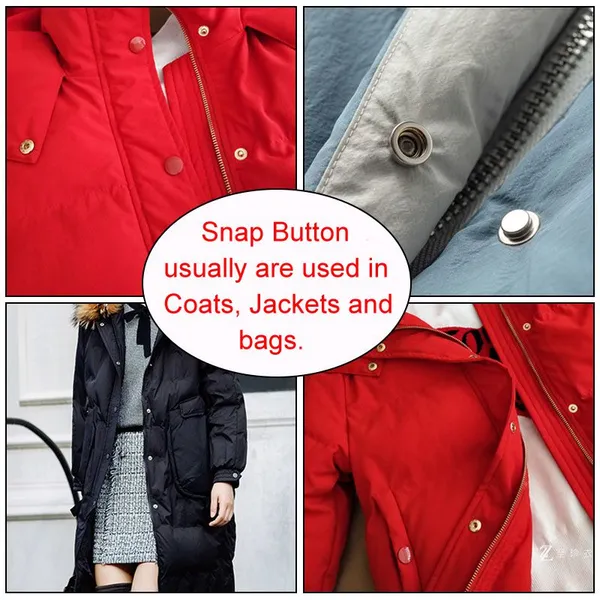 Read More
 -
Snap Button Anatomy: Cap, Socket, Stud and Post Explained
September 24, 2026Ask five suppliers to name the snap button parts on a single card and you will collect five different vocabularies for hardware th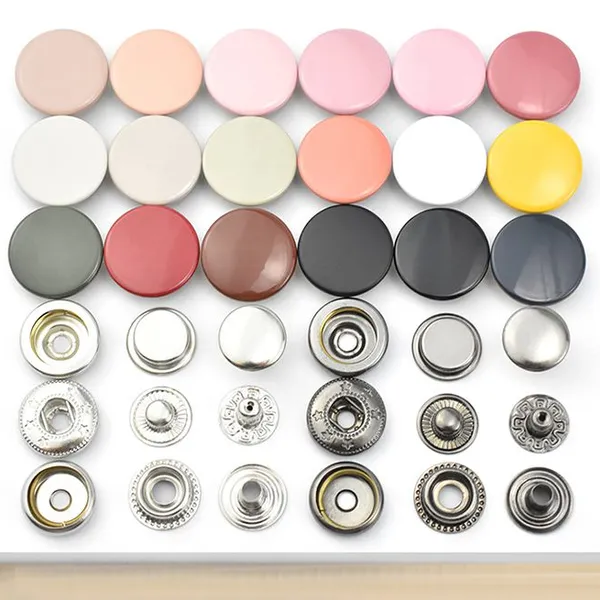 Read More

Contact Us
Recommended Products
-
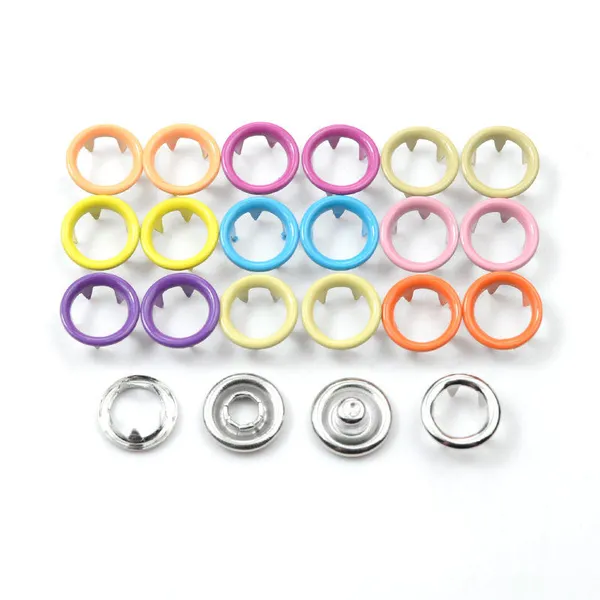
 Clothing Accessories Lead Free Brass Metal Ring Prong Snap Button With 4 Parts for Infant Baby Clothes Baby BibsUS$ 0.01 - 0.03MOQ: 5000 Sets
 -
Brass Metal Stainless Steel Material Ring Prong Snap Button With 4 Parts Lead Free & Nickel Free for Infant Baby Clothes Baby Bibs Baby SuitsUS$ 0.01 - 0.03MOQ: 5000 Sets
-
Metal Grommets Eyelets Gold Eyelet for Bag Shoes and Garment AccessoriesUS$ 0.01 - 0.03MOQ: 5000 Sets
-
Cheap Price Custom Jeans Button Metal Custom Logo Metal Button for JeansUS$ 0.01 - 0.03MOQ: 5000 Sets
-
Factory Wholesale Hat Bag Clothing Press Snap Button Spring Snap Button Metal Snap ButtonsUS$ 0.03 - 0.06MOQ: 5000 Sets
-
Wholesale Plastic Round Coloured Snaps Button Press Fasteners for Baby Bibs/ Baby GarmentsUS$ 0.01 - 0.03MOQ: 50000 Sets
-
Custom EngravedCopper I Brass Metal Jeans Button Denim Clothes Jacket for Jeans DenimUS$ 0.01 - 0.03MOQ: 5000 Sets
-
17mm Open Hole Shank Button With Aluminum Nail With Logo for Jeans Jacket PantsUS$ 0.01 - 0.03MOQ: 5000 Sets
-
Eco-friendly Custom Size Plastic Snaps Plastic Snap Button for Baby Clothes, Baby BibsUS$ 0.01 - 0.03MOQ: 50000 Sets
-
12mm 15mm 17mm 20mm Four Parts Metal Brass Fastener Press Snap Button for Clothes JacketUS$ 0.03 - 0.06MOQ: 5000 Sets
-
Custom Logo Personalized High Quality Metal Press Snap Fastener Snap Buttons for Clothing Garments JacketUS$ 0.03 - 0.06MOQ: 5000 Sets
-
Custom Printing Round Press Spring Four Part Snap Button for Clothing Leather 405#17mmUS$ 0.03 - 0.06MOQ: 5000 Sets
-
OEM Garment Accessories Custom Baby Snap Button Press Metal Prong Pearl Ring Snap ButtonUS$ 0.01 - 0.03MOQ: 5000 Sets
-
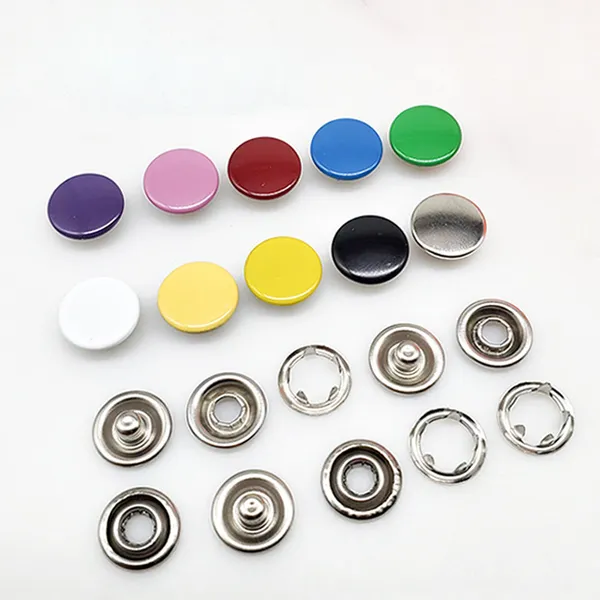
Factory Stock Buttons Stainless Steel or Brass Material Colors Pearl Snap Button Prong Pearl Snap Button for Shirts ClothingUS$ 0.01 - 0.03MOQ: 5000 Sets
-
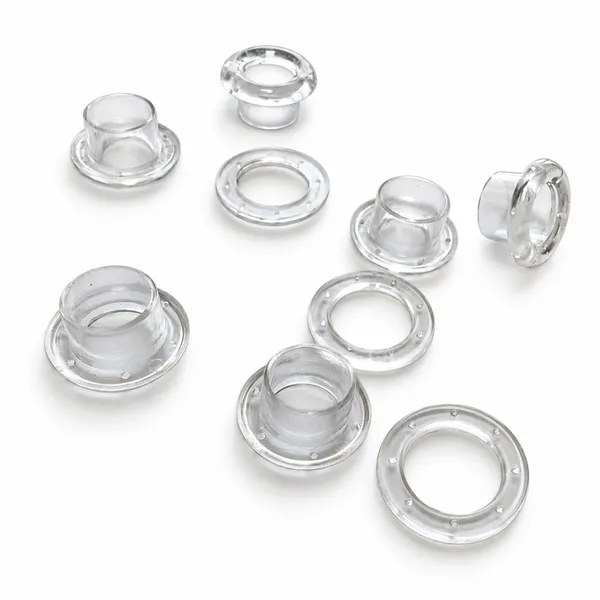
13.8mm x 7.5mm Plastic Grommet Kit for Apparel and Garment Lacing, Lightweight and FlexibleNegotiableMOQ: 5000 Sets
-
Clear Plastic Eyelet and Washer Set Two‑piece Fastener for Tote Bags Canvas and Fabric Hole Reinforcement ApplicationsNegotiableMOQ: 5000 Sets
-
13.8mm x 7.5mm Clear Plastic Eyelet and Washer Set Durable Two‑part Hardware for Fabric Reinforcement and Bag Making ApplicationsNegotiableMOQ: 5000 Sets
-
Two‑Piece Plastic Grommet and Washer Set 13.8mm x 7.5mm Clear Hardware for Banner Craft Works and Light‑weight Textile ProductionNegotiableMOQ: 5000 Sets
-
Clear Plastic Eyelet and Washer Set 13.8mm x 7.5mm for Tarps, Banners, and Awning Fabric ReinforcementNegotiableMOQ: 5000 Sets
-
Clear Plastic Eyelet and Washer Set Snap‑together Grommet Assembly Suited for Sewing Accessory and Finished Bag ManufacturingNegotiableMOQ: 5000 Sets