
 Business License
Metal Zipper vs Nylon Zipper vs Resin Zipper: A Selection Framework
Choosing between a metal, a nylon and a resin chain is not a ranking exercise, because no family wins across every garment. Each one solves a different problem, and the framework below is built to find which problem a style actually has. Read in that order, a Zipper Type Selection becomes a short list of decisions rather than a long argument about materials.
The sections that follow compare the three families on the points that change a buying decision, set out where a Metal vs Nylon Zipper question is answered by the garment rather than by the price, and show where a Resin vs Coil Zipper comparison turns on something other than the tooth. A checklist at the end condenses the whole thing into six lines that can be filled in during a first enquiry.
1. Why Zipper Type Selection Starts with the Garment
Zipper Type Selection is usually presented as a materials question, but it begins as a garment question. The opening that the chain has to close decides the size, the fabric decides the tape, and the way the garment is laundered decides the finish. A framework that starts with the material will often produce a chain that measures correctly and still fails in the field.
The first step is to write down what the opening does. A fly on a pair of jeans is closed once in the morning and left closed for hours, while a jacket front is opened and closed many times a day. Those two patterns put different demands on the same chain size, and they usually point at different tooth profiles.
The second step is to name the load. A trouser fly carries almost no tension across the closed chain, while a boot opening on a work boot carries a great deal. Load is what pushes a selection from a fine chain toward a coarser one, and it is the factor most often left out of a brief written in a hurry.
2. Metal vs Nylon Zipper: Weight, Feel and Wear
The Metal vs Nylon Zipper question turns on three practical differences. A metal chain is heavier, holds a sharper line along a placket, and shows wear as a change in the plating colour. A nylon chain is lighter, follows a curve more easily, and wears as a slow fraying of the coil rather than as a visible change of surface.
Weight matters more than it appears to on a specification sheet. A size 5 metal chain adds roughly 12 g per metre compared with a comparable nylon chain, and on a long coat front that difference reaches about 40 g across the whole opening. It is rarely the deciding factor on its own, but it shows up in the drape of a light garment and in the way a thin fabric hangs at the placket.
Wear pattern is the second half of the Metal vs Nylon Zipper comparison. A metal tooth can be brought back by polishing or by replacing the slider, while a worn coil is replaced rather than restored. For a garment that is expected to be repaired and kept for several seasons, that difference belongs in the brief rather than in a discussion after the first claim.
| Factor | Metal chain | Nylon coil |
|---|---|---|
| Weight per metre, size 5 | About 42 g | About 30 g |
| Behaviour on a curve | Holds a straight line | Follows the curve |
| Wear pattern | Plating colour change | Coil fraying |
| Usual repair | Polish or replace the slider | Replace the chain |
A table like this is a starting point rather than an answer, because the numbers shift with chain size and with the finish chosen. What it does is make the trade visible before a sample is ordered, which is the least expensive moment to change a decision.
3. Resin vs Coil Zipper: Two Ways to Mold or Wind
A Resin vs Coil Zipper comparison is often described as plastic against plastic, which hides the difference that matters. Resin teeth are molded individually onto the tape, so every tooth is a separate part held at a fixed pitch. A coil is a continuous filament wound into a spiral and stitched to the tape, so the teeth form one piece from the first stop to the last.
That structural difference shows at the ends of the chain. A resin chain can be finished with molded stops that match the teeth, which gives a clean line on an exposed placket. A coil chain is usually finished with a metal top stop and a stitched bottom, which holds well but is more visible on a narrow opening.
Cost follows the same split. A resin chain needs a mold for each size and tooth shape, so the tooling sits inside the first order and is paid off over later runs. A coil chain needs a winding setup rather than a mold, so small runs are cheaper to start and the price per metre falls more slowly as volume grows.
4. Zipper Type Selection for Load-Bearing Openings
Zipper Type Selection on a load-bearing opening follows the tension the chain will see rather than the look of the garment. A boot opening, a luggage main compartment and a workwear leg are the usual examples, and all three call for a chain that holds its line under side load.
A metal chain suits those openings because a metal tooth resists sideways movement. A coil chain can be used where the load is spread across a long seam, since the pull is then shared by many teeth at once. Where a single point carries the whole pull, a coil will deform earlier than a metal chain of the same nominal size.
Size is chosen with the same reasoning. Moving from a size 5 to a size 8 chain raises the pull the chain can take by roughly half again, and it also raises the weight and the visual scale of the part. The framework should name the load first and the size second, because a size chosen for appearance will be revisited the first time a customer overloads the opening.
5. Colour and Finish Across Metal, Nylon and Resin
Colour is where the three families converge and diverge at the same time. A metal chain takes its colour from a plated surface, while a nylon coil and a resin tooth carry colour through the material itself. That difference becomes visible after a garment has been washed many times.
Matching is easier within a family than across families. A metal chain in antique brass will not match a resin tooth in the same nominal colour, because one is a metal deposit and the other is a pigmented polymer. Where a garment uses both, the two should be approved side by side on one sample card rather than on separate ones.
Light and texture change the reading again. A polished nickel tooth reflects the fabric around it, while a matte resin tooth absorbs light and reads darker at the same nominal shade. Approving a finish under the light where the garment will actually be sold is a small step that prevents a large argument at delivery, and Difei Button approves every finish that way before a sample leaves the factory.
6. Metal vs Nylon Zipper in Wash and Dry Cleaning
Laundry is the test that separates finishes, and the Metal vs Nylon Zipper question looks different after twenty wash cycles. A plated metal tooth can lose colour where it rubs against itself, while a nylon coil keeps its colour but can fray along the stitch line that holds it to the tape.
Stone washing is the harshest case for a metal chain. The abrasion removes plating from the tooth heads and leaves a patchy appearance that reads as a defect on a new garment but as a deliberate effect on denim. Where the washing is part of the design, that effect should be approved on a washed sample before the production run rather than discovered in the finished goods.
Dry cleaning raises a different risk. Some solvents affect the dye in a coil and the pigment in a resin tooth, so the cleaning method belongs in the brief before the material is confirmed. A while back a jacket line was approved after a water wash trial and then dry cleaned by the retailer, and the coil colour shifted by roughly two shades across the range. Difei Button asks for the cleaning method on every zipper enquiry for that reason.
7. Resin vs Coil Zipper on Outdoor and Marine Gear
Outdoor and marine use pushes the Resin vs Coil Zipper choice in a direction that a fashion brief never does. Cold makes a resin tooth stiffer, so a chain that runs smoothly at room temperature can feel heavy and reluctant at minus 10 degrees. A coil keeps more of its flexibility as the temperature drops, which is why it holds a large share of camping and marine work.
Water adds a second factor. A coil chain in a taped construction sheds water along the seam, while a resin chain needs a coated tape and a sealed slider to reach the same result. Where the gear is immersed rather than merely rained on, the sealing method matters more than the tooth material.
Salt is the third. A metal slider on a marine chain will corrode unless it is plated for the purpose, and the corrosion shows first on the puller bridge and the pawl. Not long ago a dive bag maker moved from a standard nickel slider to a salt-spray tested one, and the field returns fell away without any change to the chain itself.
8. A Zipper Type Selection Checklist for Buyers
A Zipper Type Selection checklist keeps a brief from drifting between the first enquiry and the confirmed order. Six lines cover most of the ground, and they take about ten minutes to fill in with the people who will sign the order.
| Point | What to write down |
|---|---|
| Opening | Fly, front placket, pocket or full separation |
| Load | Light, moderate or heavy, with the worst case named |
| Chain size | Number, plus the reason it was chosen |
| Material | Metal, nylon coil or resin, with the finish |
| Laundry | Water wash, stone wash or dry clean |
| Standard | Any safety or performance test the part must pass |
The list is deliberately short. A brief that runs to three pages tends to be skimmed by everyone who receives it, while six lines get answered one by one.
Two habits make the checklist work in practice. The first is to write the reason next to each choice, so that a later reader can tell a decision from a default value that nobody ever questioned. The second is to approve the chain and the tape together on one card, because a chain approved on its own will be judged against the garment months later.
Difei Button (Guangzhou) Co Ltd works from that kind of brief across its button and trim lines, and the same six points go back to a buyer before a quotation is issued. Difei returns the filled brief with the price, so the assumptions behind the number are on paper before any tooling is ordered. That exchange costs one email and removes most of the rework that follows a loosely written enquiry.
9. Frequently Asked Questions
9.1 How do I start a zipper type selection for a new style?
Start with the opening rather than the material, and write down what that opening actually does. A fly that is closed once and left for hours, a jacket front opened many times a day, and a boot that carries load all point at different chains. Then name the worst load, the fabric, and the way the garment will be laundered. Those four answers narrow the field to two or three chain options, which is a short enough list to sample in one round.
9.2 What decides a metal vs nylon zipper comparison?
A Metal vs Nylon Zipper comparison usually turns on weight, curve behaviour and wear pattern. A metal chain is heavier and holds a straighter line, while a nylon coil is lighter and follows a curve more easily. Wear differs as well, since a metal tooth shows a plating colour change and a coil frays along the stitch line. The garment decides which of those three matters most, and the answer is rarely the same for a winter coat as it is for a duffel bag.
9.3 When does a resin vs coil zipper choice matter most?
The Resin vs Coil Zipper choice matters most when temperature, water or colour form part of the brief. Resin teeth become stiffer in cold weather, so a chain that runs well indoors can feel heavy outdoors, while a coil keeps more of its flexibility. Water and salt push the same way, since a coil in a taped construction seals a seam with less added weight. Colour is the other factor, because a pigmented tooth and a dyed coil read differently under the same lamp.
9.4 Can one garment use two different zipper types?
Yes, and many garments do exactly that. A jacket may use a metal chain on the front placket for its line and a coil on the sleeve pocket where the chain has to follow a curve. What matters is that both are approved on one sample card, so the two finishes can be compared under identical light. A brief that names which opening takes which chain prevents a buyer from treating a deliberate difference as a defect later on, and it also tells the sewing floor where to expect each chain.
Recently Posted
-
Nylon Coil Zippers for Bags and Luggage: Load and Curve Behaviour
October 21, 2026A nylon zipper for bags is chosen for a different reason than one chosen for a jacket. A bag opens and closes many times a day, it Read More
-
Custom Zipper Orders: Tape Printing, Sliders and Puller Tooling
October 21, 2026A custom zipper order usually changes one of three things: the puller shape, the slider finish, or the printing on the tape. Each Read More
-
Brass vs Aluminum vs Nickel Teeth: Metal Zipper Materials Compared
October 21, 2026Brass, aluminum and nickel are the three metals used for zipper teeth, and they are chosen for different reasons rather than ranke Read More
-
Nylon Coil Zippers Explained: How Spiral Teeth Are Wound and Sewn
October 20, 2026A nylon coil zipper is built from a continuous plastic monofilament that is wound into a spiral, stitched to a woven tape, and cut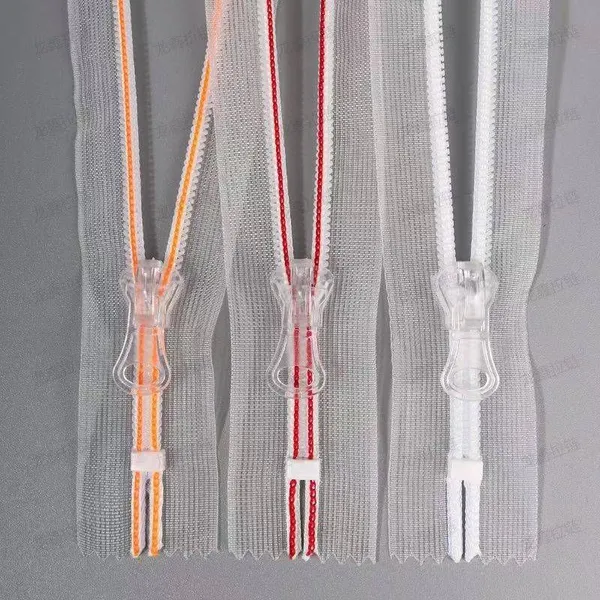 Read More

Contact Us
Recommended Products
-
 Clothing Accessories Lead Free Brass Metal Ring Prong Snap Button With 4 Parts for Infant Baby Clothes Baby BibsUS$ 0.01 - 0.03MOQ: 5000 Sets
-
Brass Metal Stainless Steel Material Ring Prong Snap Button With 4 Parts Lead Free & Nickel Free for Infant Baby Clothes Baby Bibs Baby SuitsUS$ 0.01 - 0.03MOQ: 5000 Sets
-
Metal Grommets Eyelets Gold Eyelet for Bag Shoes and Garment AccessoriesUS$ 0.01 - 0.03MOQ: 5000 Sets
-
Cheap Price Custom Jeans Button Metal Custom Logo Metal Button for JeansUS$ 0.01 - 0.03MOQ: 5000 Sets
-
Factory Wholesale Hat Bag Clothing Press Snap Button Spring Snap Button Metal Snap ButtonsUS$ 0.03 - 0.06MOQ: 5000 Sets
-
Wholesale Plastic Round Coloured Snaps Button Press Fasteners for Baby Bibs/ Baby GarmentsUS$ 0.01 - 0.03MOQ: 50000 Sets
-
Custom EngravedCopper I Brass Metal Jeans Button Denim Clothes Jacket for Jeans DenimUS$ 0.01 - 0.03MOQ: 5000 Sets
-
17mm Open Hole Shank Button With Aluminum Nail With Logo for Jeans Jacket PantsUS$ 0.01 - 0.03MOQ: 5000 Sets
-
Eco-friendly Custom Size Plastic Snaps Plastic Snap Button for Baby Clothes, Baby BibsUS$ 0.01 - 0.03MOQ: 50000 Sets
-
12mm 15mm 17mm 20mm Four Parts Metal Brass Fastener Press Snap Button for Clothes JacketUS$ 0.03 - 0.06MOQ: 5000 Sets
-
Custom Logo Personalized High Quality Metal Press Snap Fastener Snap Buttons for Clothing Garments JacketUS$ 0.03 - 0.06MOQ: 5000 Sets
-
Custom Printing Round Press Spring Four Part Snap Button for Clothing Leather 405#17mmUS$ 0.03 - 0.06MOQ: 5000 Sets
-
OEM Garment Accessories Custom Baby Snap Button Press Metal Prong Pearl Ring Snap ButtonUS$ 0.01 - 0.03MOQ: 5000 Sets
-
Factory Stock Buttons Stainless Steel or Brass Material Colors Pearl Snap Button Prong Pearl Snap Button for Shirts ClothingUS$ 0.01 - 0.03MOQ: 5000 Sets
-
Baby Safe Smooth Edge Plastic Snap Button TS09 9mm POM for Baby Garments and Bodysuits, Soft TouchNegotiableMOQ: 50000 Pieces
-
Plastic Snap Fastener TS09 9mm POM for Kids Sleepwear and Cotton Wear, Custom LogoNegotiableMOQ: 50000 Pieces
-
Printed Logo Bulk Supply Plastic Snap Fastener TS09 9mm for Fabric Totes and PouchesNegotiableMOQ: 50000 Pieces
-
0910(T09)9mm Plastic Snap Buttons for Baby Bibs and Infant ClothingNegotiableMOQ: 50000 Pieces
-
Custom Eco-Friendly Plastic Snap Button T09 9mm POM for Kids Wear and ChildrenswearNegotiableMOQ: 50000 Pieces
-
Printed Logo Plastic Snap Fastener TS09 9mm POM for Fabric Totes and Pouches WholesaleNegotiableMOQ: 50000 Pieces