
 Business License
Nylon Coil Zippers for Bags and Luggage: Load and Curve Behaviour
A nylon zipper for bags is chosen for a different reason than one chosen for a jacket. A bag opens and closes many times a day, it bends around a corner at each end of the run, and it carries a load against the closed chain. Those three conditions shape the selection more than the colour or the size number does.
This article looks at how load travels through a coil chain in a bag, how a Coil Zipper Luggage run behaves at a corner, and what Bag Zipper Selection should settle before a specification is written.
1. Why a Nylon Zipper for Bags Is the Default Choice
A nylon zipper for bags is the usual default because the chain is light, flexible and quiet. A coil follows the curve of a soft bag without any loss of mesh, and it does not mark the fabric beside it the way a metal tooth can. On a panel that is handled constantly, those two properties matter more than the strength figure.
The chain also tolerates a loose run. A bag zip is stitched into a seam that is rarely perfectly straight, and a coil absorbs that variation. A metal chain on the same seam would need a straighter run to close cleanly.
The trade-off is the load path. A coil chain carries a pull through the thread rows and the tape rather than through the teeth, so the seam that holds it is the part that has to be specified properly.
Weight is the second reason. A coil chain adds a few grams to a bag panel, which matters on a cabin bag with a strict limit. A metal chain of the same size would add roughly 12 grams per metre, and on a 900 mm run that difference is measurable at the check-in desk.
2. Load Paths in Coil Zipper Luggage Closures
In coil zipper luggage, the load reaches the chain from three directions. The opening pull is the force a user applies to the slider, the bursting pull pushes the closed chain apart from inside, and the side pull acts along the tape where the seam is stitched.
The bursting pull is the one that decides the size. A packed case pushes outward against the closed chain, and a size 5 coil on a large case will open under that force. Sizing up to a size 8 or a size 10 is the standard answer on a case body, while a size 5 stays on an inner pocket.
The seam is the second half of the answer. Two rows of stitching at 3 mm pitch distribute the load better than one row, and a tape that is stitched 2 mm inside its edge will pull out at the stitch line rather than at the coil.
| Application | Usual chain size | Stitch rows |
|---|---|---|
| Inner pocket | 3 or 5 | 1 to 2 |
| Main compartment | 5 or 8 | 2 |
| Trolley case body | 8 or 10 | 2 to 3 |
3. Bag Zipper Selection: Curve, Corner and Gusset
Bag zipper selection starts at the corners, because that is where a run is most likely to fail. A coil chain turns a radius of about 25 mm without distortion, and a tighter corner forces the tape to pucker. Widening the corner radius is cheaper than finding a chain that can do something it cannot.
The gusset is the second decision. A gusset at each end of a run adds two more corners and a run that changes direction twice. A single continuous chain stitched through both gussets will close more reliably than two separate chains with a gap between them.
Tape width is chosen with the corner in mind. A narrower tape turns a tight radius more easily, so a size 5 chain on a 20 mm tape is a common pairing on a soft bag, while a case uses a wider tape for the load.
Two smaller decisions follow from the corners. A chain that turns a tight radius needs a slider with a shorter body, because a long slider bridges the curve and drags on the tape. A puller on the same run should be light, since a heavy one will swing the slider open when the bag is carried on a shoulder.
4. Nylon Zipper for Bags: Chain Size and Tape Width
A nylon zipper for bags is quoted as a pair of numbers, the chain size and the tape width. The chain size sets the load it can carry and the tape width sets the seam allowance available at the stitch line. Quoting one without the other is the most common gap in a brief.
Tape width on a bag zip normally runs from 20 to 32 mm. A 20 mm tape suits a narrow pocket, a 25 mm tape suits a main compartment, and a 32 mm tape gives enough material for two stitch rows on a case body.
Length is the third figure and it is measured from stop to stop. A bag chain is cut with a 5 mm allowance at each end for the stitching, so a 400 mm finished opening needs a chain cut at 410 mm before the stops are fitted.
5. Coil Zipper Luggage Failure Modes Under Load
The faults reported on coil zipper luggage fall into three groups, and each one points at a different cause. A chain that opens behind the slider usually has a stitch fault or a tape that is too narrow for the load. A slider that creeps open points at the locking pawl or at a slider size that does not match the chain.
A chain that splits at a corner is the third group, and it is almost always a geometry problem rather than a material one. The run is too tight for the chain size, or the two tapes are being pulled apart by a seam that does not follow the same curve on both sides.
Each of the three is settled at the sample stage far more cheaply than at the claim stage. A sample that is packed to its working weight and cycled 50 times will expose all three faults before tooling is committed.
A cycling test is the least expensive way to find these faults early. A sample is packed to its working weight and opened and closed 50 times, and any of the three faults will show within that run. Recording the test with the sample gives a supplier something concrete to correct.
6. Bag Zipper Selection for Backpacks and Trolley Cases
Bag zipper selection splits into two families once the load is known. A backpack is a soft structure, so the chain follows the fabric and a size 5 coil on a 22 mm tape is standard on the main compartment. A trolley case is a rigid shell, so the chain runs in a fixed channel and a size 8 or 10 chain is usual.
The slider differs between the two as well. A backpack uses a standard slider with a loop puller that is easy to grip with a gloved hand, while a case uses a larger slider with an extended puller that reaches past the shell edge.
Two-way sliders are common on a case body because they let the user open from either end. A two-way pair has to be matched to the chain and checked as a pair, since a mismatched pair will leave a gap where the two sliders meet.
7. Nylon Zipper for Bags on the Assembly Line
A nylon zipper for bags behaves differently on a heavy fabric than on a light one. The tape is stitched to canvas or to a coated shell, and the needle has to pass through both layers without pushing the coil out of line. A size 100 or 110 needle with a light top tension is usual here.
Presser foot pressure is the second setting. Too much pressure flattens the coil at the stitch line, and the chain then jams at that point on every pass. Recording the pressure beside the approved sample is the simple way to keep a repeat order consistent.
Handling is the third point. A long bag chain is heavy and can drag across the table, which pulls the coil away from the needle. Supporting the chain on a roller rather than letting it hang removes a class of skipped stitches at the corner.
Machine settings are recorded for the same reason at Difei Button (Guangzhou) Co Ltd. Difei keeps the needle, the foot pressure and the stitch pitch with the approved sample, so a repeat order is set up from a record rather than from a memory, and Difei checks the first 20 pieces of a run against that record before the line is released.
8. Inspecting Coil Zipper Luggage Runs
A final check on coil zipper luggage covers four points, and it takes about ten minutes per lot. The chain is run end to end with the slider, the width is measured at three points, the two sliders on a two-way run are checked for the gap at the meeting point, and the colour is compared with the approved standard.
Running the chain end to end finds a jam that a photograph will miss. Measuring at three points catches a taper across the run, which points at a tension change during stitching rather than at the coil itself.
The retained sample is what settles a question later. Difei Button (Guangzhou) Co Ltd keeps a sample of every lot with the order number, the chain size and the dye lot, and Difei records the stitch rows and the tape width with it. That file means a reorder is checked against the part that was signed off, and Difei shares it with a buyer on request so the next specification starts from the same reference.
9. Frequently Asked Questions
9.1 Why choose a nylon zipper for bags rather than a metal one?
A nylon zipper for bags is chosen for flexibility, weight and quiet running. A coil chain follows a curve of about 25 mm radius without any loss of mesh, it does not mark the fabric beside it, and it absorbs the small irregularities of a stitched seam that a metal chain would refuse. The load path is the trade-off, because a coil carries a pull through the thread rows and the tape rather than through the teeth. That makes the seam and the tape width the parts to specify carefully.
9.2 What chain size suits a coil zipper luggage run?
The chain size on coil zipper luggage follows the load the closed chain has to resist. An inner pocket takes a size 3 or size 5 chain, a main compartment takes a size 5 or size 8, and a trolley case body takes a size 8 or size 10 because a packed case pushes outward against the closed chain. Two stitch rows at about 3 mm pitch distribute the load better than one, and a tape stitched 2 mm inside its edge pulls out at the stitch line rather than at the coil.
9.3 What should bag zipper selection settle first?
Bag zipper selection should settle the corners before anything else, because that is where a run is most likely to fail. A coil turns a radius of about 25 mm without distortion, and a tighter corner forces the tape to pucker, so widening the radius is cheaper than changing the chain. The gusset follows, since a run through two gussets changes direction twice and closes more reliably as one continuous chain. Tape width and chain size are then chosen together, and both follow the load the packed bag will place on the closed chain.
9.4 How is a bag zipper lot checked before shipment?
A bag zipper lot is checked on four points in about ten minutes. Run the chain end to end with the slider, measure the width at three points along the run, check the gap at the meeting point on a two-way pair, and compare the colour with the approved standard under fixed light. Measuring at three points catches a taper, which points at a tension change during stitching rather than at the coil. A retained sample from each lot settles later questions.
Recently Posted
-
Custom Zipper Orders: Tape Printing, Sliders and Puller Tooling
October 21, 2026A custom zipper order usually changes one of three things: the puller shape, the slider finish, or the printing on the tape. Each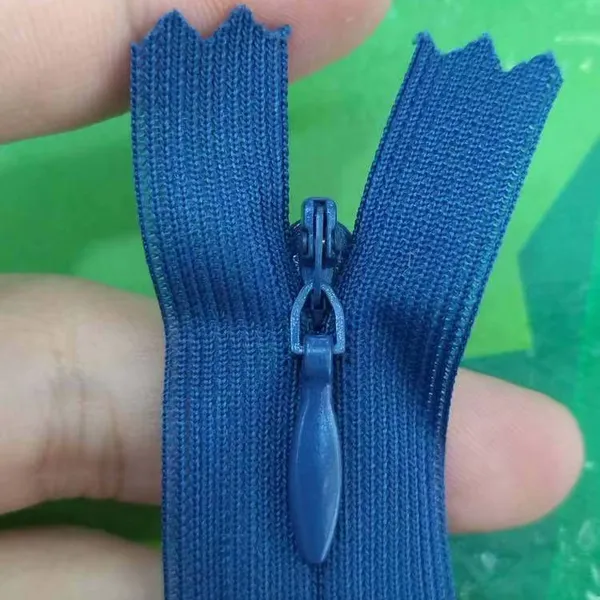 Read More
-
Brass vs Aluminum vs Nickel Teeth: Metal Zipper Materials Compared
October 21, 2026Brass, aluminum and nickel are the three metals used for zipper teeth, and they are chosen for different reasons rather than ranke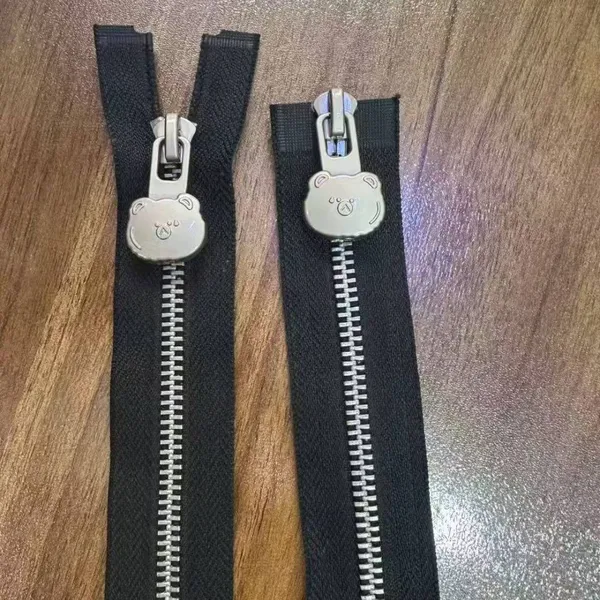 Read More
-
Nylon Coil Zippers Explained: How Spiral Teeth Are Wound and Sewn
October 20, 2026A nylon coil zipper is built from a continuous plastic monofilament that is wound into a spiral, stitched to a woven tape, and cut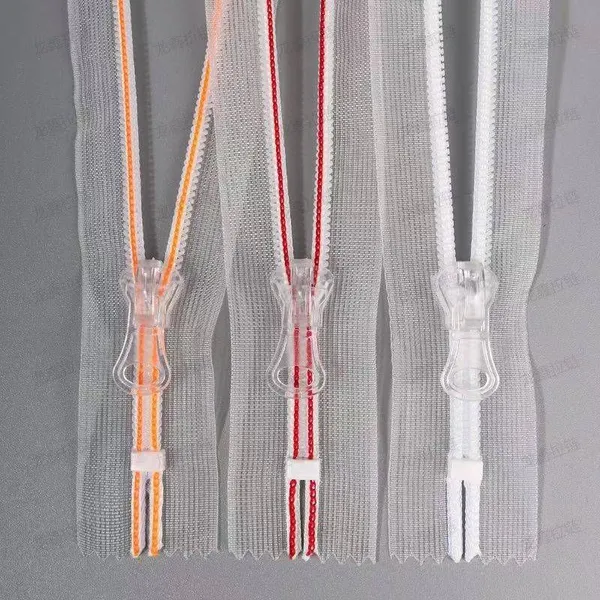 Read More
-
Metal Zipper Capability at Difei Button: From Teeth to Slider Assembly
October 20, 2026Difei Button began as a maker of snaps, rivets and eyelets for garment factories, and the metal working that those parts require s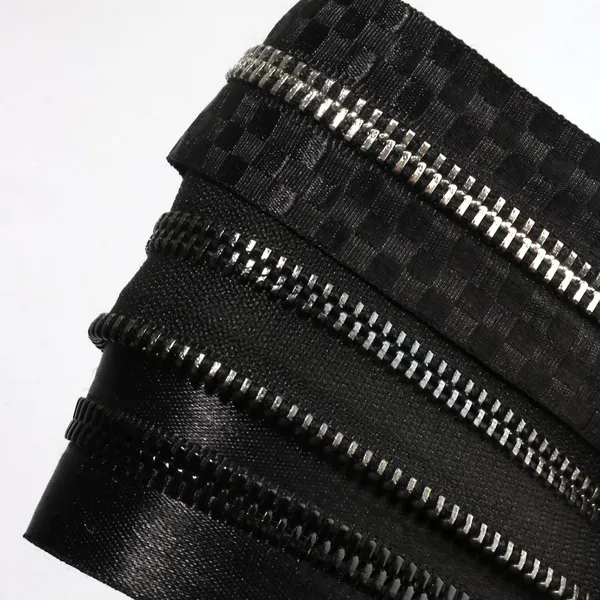 Read More

Contact Us
Recommended Products
-
 Clothing Accessories Lead Free Brass Metal Ring Prong Snap Button With 4 Parts for Infant Baby Clothes Baby BibsUS$ 0.01 - 0.03MOQ: 5000 Sets
-
Brass Metal Stainless Steel Material Ring Prong Snap Button With 4 Parts Lead Free & Nickel Free for Infant Baby Clothes Baby Bibs Baby SuitsUS$ 0.01 - 0.03MOQ: 5000 Sets
-
Metal Grommets Eyelets Gold Eyelet for Bag Shoes and Garment AccessoriesUS$ 0.01 - 0.03MOQ: 5000 Sets
-
Cheap Price Custom Jeans Button Metal Custom Logo Metal Button for JeansUS$ 0.01 - 0.03MOQ: 5000 Sets
-
Factory Wholesale Hat Bag Clothing Press Snap Button Spring Snap Button Metal Snap ButtonsUS$ 0.03 - 0.06MOQ: 5000 Sets
-
Wholesale Plastic Round Coloured Snaps Button Press Fasteners for Baby Bibs/ Baby GarmentsUS$ 0.01 - 0.03MOQ: 50000 Sets
-
Custom EngravedCopper I Brass Metal Jeans Button Denim Clothes Jacket for Jeans DenimUS$ 0.01 - 0.03MOQ: 5000 Sets
-
17mm Open Hole Shank Button With Aluminum Nail With Logo for Jeans Jacket PantsUS$ 0.01 - 0.03MOQ: 5000 Sets
-
Eco-friendly Custom Size Plastic Snaps Plastic Snap Button for Baby Clothes, Baby BibsUS$ 0.01 - 0.03MOQ: 50000 Sets
-
12mm 15mm 17mm 20mm Four Parts Metal Brass Fastener Press Snap Button for Clothes JacketUS$ 0.03 - 0.06MOQ: 5000 Sets
-
Custom Logo Personalized High Quality Metal Press Snap Fastener Snap Buttons for Clothing Garments JacketUS$ 0.03 - 0.06MOQ: 5000 Sets
-
Custom Printing Round Press Spring Four Part Snap Button for Clothing Leather 405#17mmUS$ 0.03 - 0.06MOQ: 5000 Sets
-
OEM Garment Accessories Custom Baby Snap Button Press Metal Prong Pearl Ring Snap ButtonUS$ 0.01 - 0.03MOQ: 5000 Sets
-
Factory Stock Buttons Stainless Steel or Brass Material Colors Pearl Snap Button Prong Pearl Snap Button for Shirts ClothingUS$ 0.01 - 0.03MOQ: 5000 Sets
-
Baby Safe Smooth Edge Plastic Snap Button TS09 9mm POM for Baby Garments and Bodysuits, Soft TouchNegotiableMOQ: 50000 Pieces
-
Plastic Snap Fastener TS09 9mm POM for Kids Sleepwear and Cotton Wear, Custom LogoNegotiableMOQ: 50000 Pieces
-
Printed Logo Bulk Supply Plastic Snap Fastener TS09 9mm for Fabric Totes and PouchesNegotiableMOQ: 50000 Pieces
-
0910(T09)9mm Plastic Snap Buttons for Baby Bibs and Infant ClothingNegotiableMOQ: 50000 Pieces
-
Custom Eco-Friendly Plastic Snap Button T09 9mm POM for Kids Wear and ChildrenswearNegotiableMOQ: 50000 Pieces
-
Printed Logo Plastic Snap Fastener TS09 9mm POM for Fabric Totes and Pouches WholesaleNegotiableMOQ: 50000 Pieces