
 Business License
Nylon Coil Zippers Explained: How Spiral Teeth Are Wound and Sewn
A nylon coil zipper is built from a continuous plastic monofilament that is wound into a spiral, stitched to a woven tape, and cut to length. The teeth on this type are not separate pieces, which is why the chain bends around a corner without cracking. Reading a nylon coil zipper in that order explains most of its behaviour, from its low weight to the way it recovers after a sharp fold.
This article follows nylon zipper teeth from the extrusion line to the finished chain, sets out how coil zipper construction differs from metal and moulded types, and shows what those differences mean for a buyer writing a specification.
1. What a Nylon Coil Zipper Is Made Of
A nylon coil zipper uses three materials and one process. The teeth come from a monofilament, usually polyamide or polyester, extruded to a round or oval section. The tape is a woven polyester band, and the process is the winding that turns the monofilament into a helix whose loops stand proud of the tape as teeth.
Because the spiral is one continuous piece, there is no individual tooth to work loose. A break in service means a break of the whole coil, and that is the trade-off this family makes. Bending is where it wins, because a coil chain will follow a curve of 25 mm radius without any loss of mesh.
| Element | Material | Typical figure |
|---|---|---|
| Coil | Polyamide monofilament | 0.6 to 1.2 mm section |
| Tape | Woven polyester | 16 to 32 mm width |
| Sewing thread | Bonded polyester | 2 to 3 stitch rows |
| Slider | Zinc alloy | Matched to chain size |
The slider is the single metal part on most chains of this type. That one fact is what makes the family common in garment washing, because there is no metal tooth to corrode against a bleach or a softener.
Two further settings are fixed at the tape stage. The bead thickness decides how firmly a loop sits, and a loosely woven tape will let the coil roll when the chain is pulled sideways. Tape tension during weaving is recorded for the same reason, because a band woven under uneven tension will show a taper across a full roll.
2. How Nylon Zipper Teeth Are Wound into a Spiral
Nylon zipper teeth begin as a filament wound onto a heated mandrel. The filament is fed at a controlled tension and temperature so that the loops keep an even pitch after the winding cools. A variation of a tenth of a millimetre in loop height is enough to make a slider skip later.
The winding machine produces a long helix that is then flattened at the points where it will sit against the tape. Those flattened sections become the interlocking heads. The shape of the head decides how the chain feels, since a rounder head runs more smoothly while a squarer head holds better against a side pull.
Winding speed and temperature are recorded for each run, because the two together set the memory of the plastic. A coil wound too hot will stay open after being folded, and one wound too cold will crack at the fold.
3. Coil Zipper Construction: From Yarn to Finished Chain
Coil zipper construction has four stages, and each one has a measurable output. Extrusion sets the filament diameter, winding sets the pitch and the loop height, stitching fixes the spiral to the tape, and cutting and finishing set the length and fit the stops.
Dyeing can happen at two points in this sequence. The filament may be solution dyed before extrusion, which gives the most even colour across a long run. Alternatively the finished chain may be dyed in a bath, which suits smaller lots and lets a buyer match a fabric that arrives late.
The choice between the two is a question of lot size rather than of quality. Solution dyeing carries a minimum run because the extruder must be cleaned between colours, while bath dyeing handles a few hundred metres without that penalty.
4. Stitching Nylon Zipper Teeth onto the Tape
Stitching is the stage that decides whether the chain performs. Two or three rows of thread pass through the tape and over the coil, and the tension in those rows holds the spiral at the correct height. A row that is too tight flattens the tooth and a row that is too loose lets the coil roll under load.
The needle is chosen to match the tape rather than the coil. A fine needle at 90 to 100 gauge is usual, and the stitch length sits between 2.5 and 3 mm. The thread is bonded polyester so that it does not shrink differently from the tape during a garment wash.
A stitched chain is checked by running the slider from end to end and then measuring the chain width at three points. A taper between those points means the stitching tension drifted across the run.
Thread colour is chosen at the same stage. A tone-on-tone thread keeps the stitch line quiet on a light garment, while a contrasting thread is sometimes asked for as a design feature on a bag panel. Whichever is chosen, the thread is ordered with the tape so that the two dye lots match.
5. Coil Zipper Construction: Sizing from #3 to #10
Coil zipper construction follows the same size numbers as metal. The number is the width of the closed chain in millimetres, so a size 3 chain measures about 3 mm across the teeth and a size 10 measures about 10 mm. Tolerance on that figure is usually plus or minus 0.2 mm.
Loop height grows with the number as well. A size 3 coil stands about 2 mm above the tape and a size 10 stands about 5 mm. A taller loop carries more load but needs a deeper groove in the presser foot, which is why a factory moving from a size 5 to a size 10 order has to reset its machine.
Tape width does not follow the same curve. Narrow sizes use a tape from 16 to 20 mm, mid sizes from 22 to 26 mm, and the coarsest sizes from 28 to 32 mm. Quoting tape width separately from chain size prevents the most frequent mismatch on a first order.
6. Nylon Coil Zipper Behaviour Under Load
A nylon coil zipper carries load in a different way from a metal chain. The load travels through the thread rows and the tape rather than through the teeth, so a nylon chain is rated by the seam that holds it. That is why a stitch fault shows up as an open chain far more often than a broken tooth does.
Crosswise strength on a size 5 chain falls between 300 and 450 newtons when the chain is new. The figure drops after a wash cycle, because the filament softens slightly and the loops settle. A buyer specifying a hold figure should quote it after the wash the garment will actually receive.
Slider lock strength is the other number worth quoting. A locked slider should resist a pull of 30 to 50 newtons without moving, and below that figure the slider creeps open on a packed bag. That is the fault buyers report most often on luggage.
7. How Coil Zipper Construction Reaches the Sewing Line
Coil zipper construction at the garment factory starts with the chain cut to length. A closed-end chain is cut with a 5 mm allowance beyond the bottom stop, and an open-end chain is cut so that the retainer sits clear of the seam. Cutting short is the fault that cannot be fixed on the machine.
The presser foot is the second setting. A coil needs a groove deep enough for the loop height, so a foot set for a size 3 chain will crush a size 10 coil. Recording the foot and the needle together with the approved sample removes the guesswork on a repeat order.
Feed is the third setting. A coil chain is light and can be pulled off line by the machine, so most factories run it with a walking foot and a light top tension. Difei Button records the foot, needle and tension beside the approved sample so that a repeat order starts from the same setting.
A fourth point is storage before sewing. A chain shipped in a coil will take a set if it is stored under a heavy carton, and a chain with a set will not lie flat at the needle. Storing the roll upright and unloaded costs nothing and removes the problem.
8. Checking a Nylon Coil Zipper Lot Before Dispatch
A lot check on a nylon coil zipper takes about ten minutes and covers four points. The chain is run end to end with the slider, the width is measured at three points, the colour is compared with the approved standard under fixed light, and the stitch rows are pulled by hand.
Running the chain finds a jam that a still photograph will miss. Measuring at three points catches a taper across the run, and pulling the stitch rows by hand is the quickest way to find a seam that will open under load. The colour check under a fixed lamp is what separates a real shade difference from warehouse lighting.
A retained sample from every lot is kept with the order number. Difei Button (Guangzhou) Co Ltd holds those samples with the tool and dye lot numbers, so a repeat order is checked against the part that was signed off rather than against a memory. Difei runs the same first article approval on its coil lines as on its button lines, and Difei shares the retained sample file with a buyer on request so that a new order can start from the same reference.
9. Frequently Asked Questions
9.1 What is a nylon coil zipper made from?
A nylon coil zipper is made from a plastic monofilament wound into a spiral and stitched to a woven tape. The monofilament is usually polyamide or polyester, extruded to a round or oval section between 0.6 and 1.2 mm across. The tape is woven polyester from 16 to 32 mm wide, and the coil is held by two or three rows of bonded polyester thread. A zinc alloy slider completes the part, and it is the single metal element on most chains in this family.
9.2 How are nylon zipper teeth formed?
Nylon zipper teeth are formed by winding a heated filament onto a mandrel at a controlled tension. The loops keep an even pitch once the winding cools, and the points that will sit against the tape are then flattened to become the interlocking heads. Winding temperature sets the memory of the plastic, so a coil wound too hot stays open after a fold while one wound too cold cracks. A variation of a tenth of a millimetre in loop height is enough to make a slider skip.
9.3 Where does coil zipper construction differ from metal?
Coil zipper construction differs from metal at the teeth and at the load path. The spiral is a single continuous piece rather than a row of separate teeth, so nothing can work loose, and the load travels through the thread rows and the tape rather than through the teeth. That makes bending easy, with a chain following a 25 mm radius without loss of mesh. It also makes a stitch fault the most likely cause of an open chain in service, which is where inspection effort belongs.
9.4 What should a buyer check on a coil lot?
A buyer should check four points before a coil lot ships. Run the chain end to end with the slider, measure the width at three points along the run, compare the colour with the approved standard under fixed light, and pull the stitch rows by hand. Those four checks take about ten minutes and cover the faults that matter in service. Asking for a retained sample from each lot gives a reference for later questions, and Difei Button (Guangzhou) Co Ltd keeps those samples with the dye lot number.
Recently Posted
-
Nylon Coil Zippers for Bags and Luggage: Load and Curve Behaviour
October 21, 2026A nylon zipper for bags is chosen for a different reason than one chosen for a jacket. A bag opens and closes many times a day, it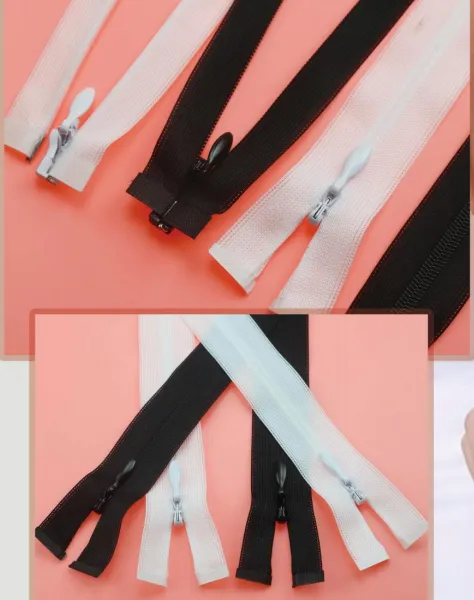 Read More
-
Custom Zipper Orders: Tape Printing, Sliders and Puller Tooling
October 21, 2026A custom zipper order usually changes one of three things: the puller shape, the slider finish, or the printing on the tape. Each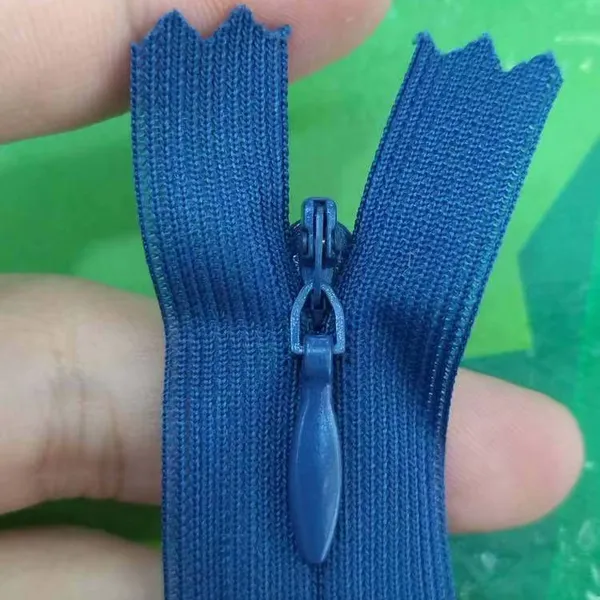 Read More
-
Brass vs Aluminum vs Nickel Teeth: Metal Zipper Materials Compared
October 21, 2026Brass, aluminum and nickel are the three metals used for zipper teeth, and they are chosen for different reasons rather than ranke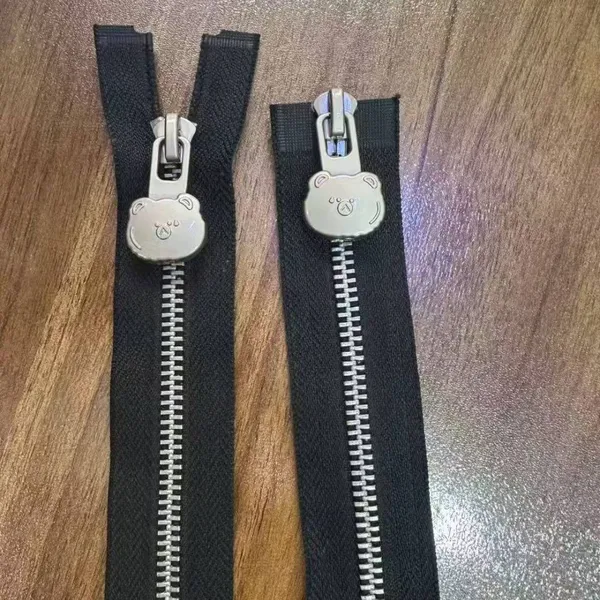 Read More
-
Metal Zipper Capability at Difei Button: From Teeth to Slider Assembly
October 20, 2026Difei Button began as a maker of snaps, rivets and eyelets for garment factories, and the metal working that those parts require s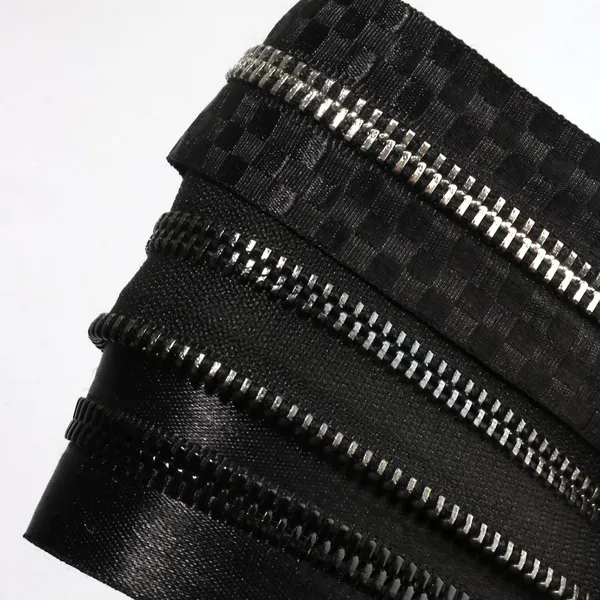 Read More

Contact Us
Recommended Products
-
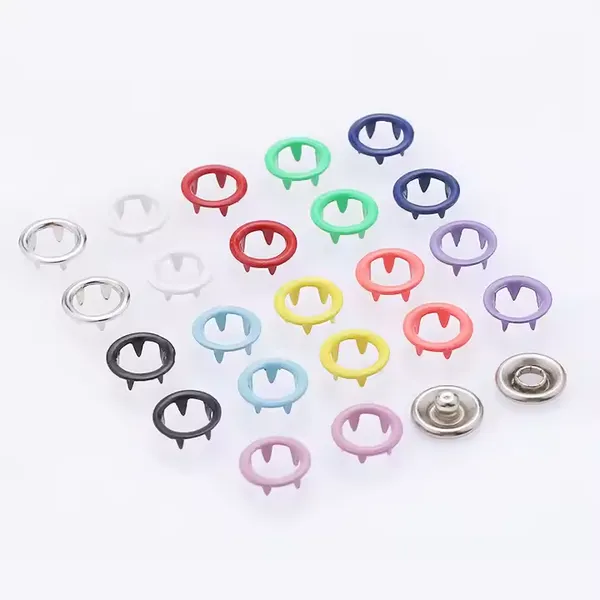
 Clothing Accessories Lead Free Brass Metal Ring Prong Snap Button With 4 Parts for Infant Baby Clothes Baby BibsUS$ 0.01 - 0.03MOQ: 5000 Sets
-
Brass Metal Stainless Steel Material Ring Prong Snap Button With 4 Parts Lead Free & Nickel Free for Infant Baby Clothes Baby Bibs Baby SuitsUS$ 0.01 - 0.03MOQ: 5000 Sets
-
Metal Grommets Eyelets Gold Eyelet for Bag Shoes and Garment AccessoriesUS$ 0.01 - 0.03MOQ: 5000 Sets
-
Cheap Price Custom Jeans Button Metal Custom Logo Metal Button for JeansUS$ 0.01 - 0.03MOQ: 5000 Sets
-
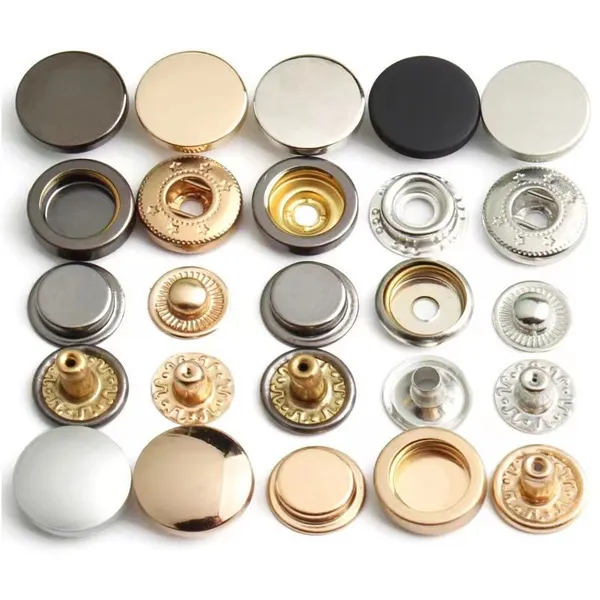
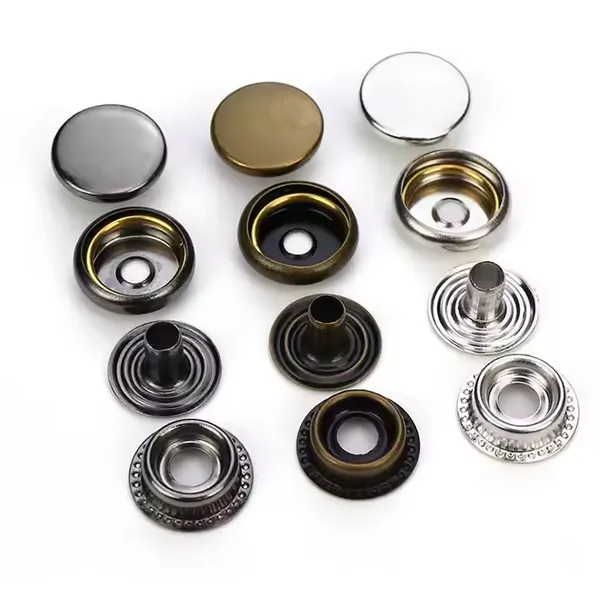
Factory Wholesale Hat Bag Clothing Press Snap Button Spring Snap Button Metal Snap ButtonsUS$ 0.03 - 0.06MOQ: 5000 Sets
-
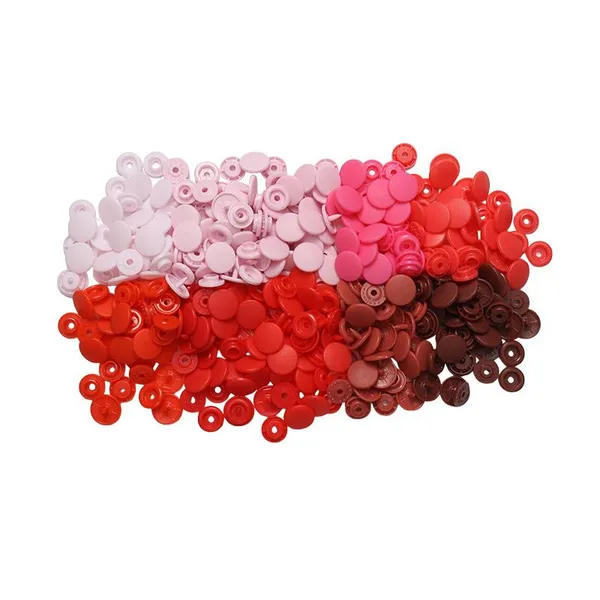
Wholesale Plastic Round Coloured Snaps Button Press Fasteners for Baby Bibs/ Baby GarmentsUS$ 0.01 - 0.03MOQ: 50000 Sets
-
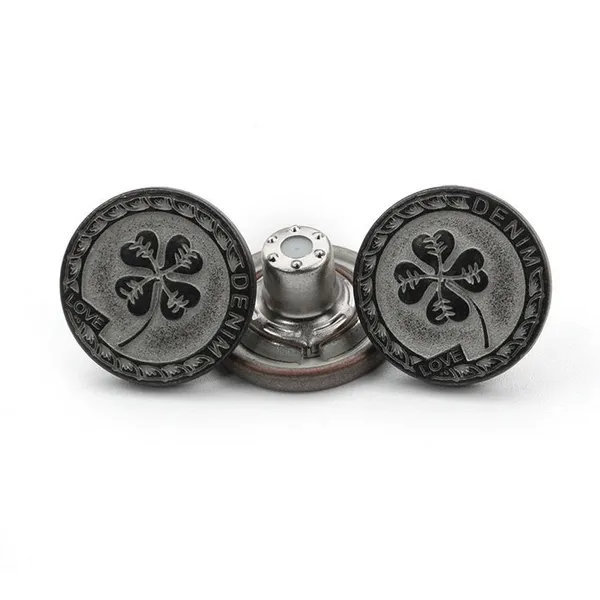
Custom EngravedCopper I Brass Metal Jeans Button Denim Clothes Jacket for Jeans DenimUS$ 0.01 - 0.03MOQ: 5000 Sets
-
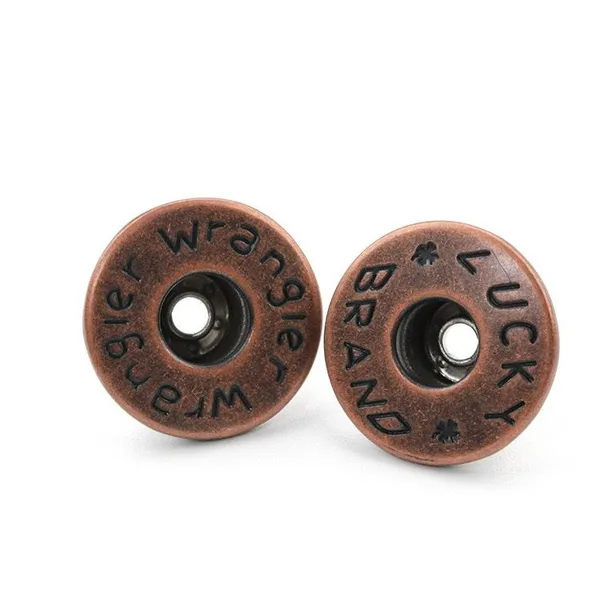
17mm Open Hole Shank Button With Aluminum Nail With Logo for Jeans Jacket PantsUS$ 0.01 - 0.03MOQ: 5000 Sets
-
Eco-friendly Custom Size Plastic Snaps Plastic Snap Button for Baby Clothes, Baby BibsUS$ 0.01 - 0.03MOQ: 50000 Sets
-
12mm 15mm 17mm 20mm Four Parts Metal Brass Fastener Press Snap Button for Clothes JacketUS$ 0.03 - 0.06MOQ: 5000 Sets
-
Custom Logo Personalized High Quality Metal Press Snap Fastener Snap Buttons for Clothing Garments JacketUS$ 0.03 - 0.06MOQ: 5000 Sets
-
Custom Printing Round Press Spring Four Part Snap Button for Clothing Leather 405#17mmUS$ 0.03 - 0.06MOQ: 5000 Sets
-
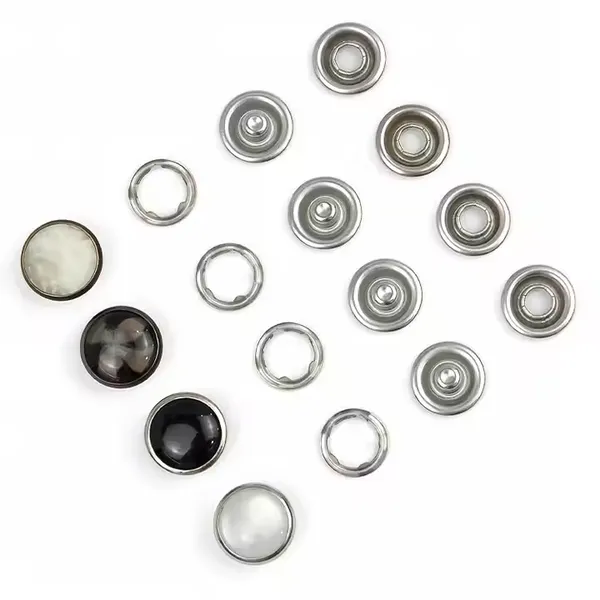
OEM Garment Accessories Custom Baby Snap Button Press Metal Prong Pearl Ring Snap ButtonUS$ 0.01 - 0.03MOQ: 5000 Sets
-
Factory Stock Buttons Stainless Steel or Brass Material Colors Pearl Snap Button Prong Pearl Snap Button for Shirts ClothingUS$ 0.01 - 0.03MOQ: 5000 Sets
-
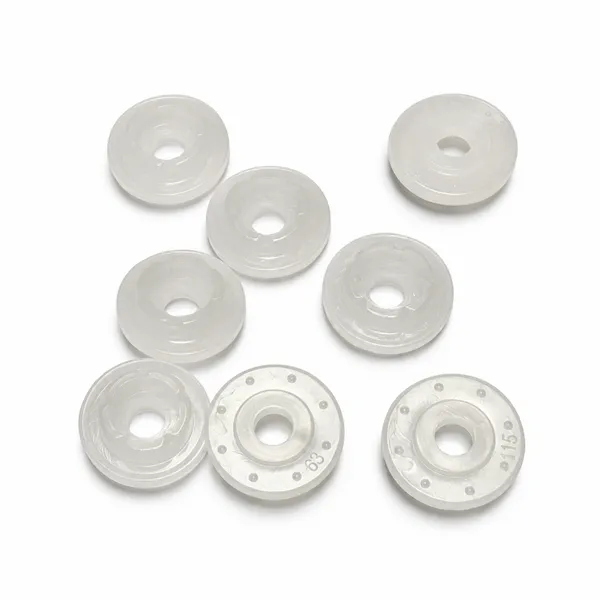
Baby Safe Smooth Edge Plastic Snap Button TS09 9mm POM for Baby Garments and Bodysuits, Soft TouchNegotiableMOQ: 50000 Pieces
-
Plastic Snap Fastener TS09 9mm POM for Kids Sleepwear and Cotton Wear, Custom LogoNegotiableMOQ: 50000 Pieces
-
Printed Logo Bulk Supply Plastic Snap Fastener TS09 9mm for Fabric Totes and PouchesNegotiableMOQ: 50000 Pieces
-
0910(T09)9mm Plastic Snap Buttons for Baby Bibs and Infant ClothingNegotiableMOQ: 50000 Pieces
-
Custom Eco-Friendly Plastic Snap Button T09 9mm POM for Kids Wear and ChildrenswearNegotiableMOQ: 50000 Pieces
-
Printed Logo Plastic Snap Fastener TS09 9mm POM for Fabric Totes and Pouches WholesaleNegotiableMOQ: 50000 Pieces