
 Business License
Blog Categories
Difei Button's Nylon Zipper Programme: Sampling, Dyeing and Repeat Orders
Difei Button (Guangzhou) Co Ltd runs its nylon zipper work as a programme rather than as a series of separate orders. The programme was built around three questions that decide most bag and garment projects: how a first sample is proved, how colour is held across a run, and how a repeat order is checked against the piece that was signed off.
The result is a working method rather than a product list. This article sets out how a nylon zipper manufacturer organises sampling and dyeing, what a custom nylon zipper order involves at the tooling stage, and how Difei handles a repeat.
1. A Nylon Zipper Manufacturer Built Around Sampling
A nylon zipper manufacturer that samples properly removes most of the risk before a bulk order starts. Difei treats the first sample as the reference for everything that follows, so the measuring points, the chain size and the finish standard are fixed while the run is still small.
The sample is assembled, not posted loose. A chain, a slider and a puller are put together into a working part, then run from end to end so that any jam shows up at that stage rather than on a customer bag.
A three-round sample cycle is normal on a new development. The first round checks the chain and the colour, the second checks the assembly and the puller swing, and the third confirms that the corrections have been absorbed.
The programme also fixes who does what. A buyer supplies the colour reference and the finished opening length, while Difei supplies the chain size, the tape width and the seam specification that suits them. Separating the two lists before a project starts removes the round of questions that usually sits between an enquiry and a first sample.
| Sample round | What it proves | Usual duration |
|---|---|---|
| First | Chain, colour, size | 5 to 7 days |
| Second | Assembly and puller | 5 days |
| Third | Corrections absorbed | 3 to 5 days |
| Approved | Reference for bulk | Retained on file |
2. Custom Nylon Zipper Development at Difei Button
A Custom Nylon Zipper development at Difei starts from the seam rather than from the chain. The team asks what the zip has to do in service, how the panel is stitched, and how often the bag or garment is opened, before a chain size is proposed.
The second step is the constraint. Where the tape runs around a corner, Difei checks the radius and suggests a tape width that will turn it without puckering. Where the load is high, the chain size steps up and the seam is specified with two stitch rows.
The third step is a written specification, issued before the first sample. It records the chain size, the tape width, the finish, the slider and the puller, so a review has a document to work from instead of a memory of a conversation.
Two constraints are checked at the same review. The first is the pack weight, because a chain sized for a light tote will open on a loaded case. The second is the wash or the clean the bag will receive, because a printed tape and a plated slider behave differently under a hot cycle.
3. Dyeing and Colour Control in the Nylon Zipper Programme
Colour control in the nylon zipper programme works from a physical standard rather than from a screen image. A colour is approved as a dyed tape under a fixed lamp, and that approved tape is filed with the dye lot number for the life of the programme.
Two dyeing routes are available and they are chosen by lot size. Solution dyeing colours the filament before extrusion and gives the most even result over a long run, while bath dyeing handles a few hundred metres without a minimum run penalty.
A measured colour difference between two lots is checked with a spectrophotometer and reported as a numeric value. That figure is what turns a colour question into a decision, because a small difference under one lamp can look large under another.
A third route is used for small lots. Where a buyer needs 200 metres in an exact shade, Difei can dye a stock tape to the reference rather than run a custom weave, which keeps the minimum lot manageable. The colour is then held against the same physical standard as a larger run.
4. Working with a Nylon Zipper Supplier on a First Order
Working with a nylon zipper supplier on a first order is easier when the buyer arrives with four facts. The chain size or the finished opening length, the load the chain will carry, the colour reference, and the date the goods are needed at the sewing line.
Those four facts let Difei quote a realistic lead time rather than a hopeful one. Where the date is tight and the colour is not yet fixed, Difei will propose a stock colour for the first lot and the exact match for the second, so the schedule is protected.
The quotation that follows lists the chain, the slider, the puller and the packing as separate lines. Splitting them makes a comparison between two suppliers meaningful, because the differences usually sit in the finishing and the packing rather than in the chain itself.
A first order is also the point at which packing is settled. A chain shipped on a cardboard core keeps its shape, while a loosely coiled chain takes a set in transit and will not lie flat at the needle. Difei ships on cores as standard and lists the carton count on the quotation.
5. Custom Nylon Zipper Tooling and Tape Printing
A Custom Nylon Zipper that carries a brand mark needs either a printed tape or a shaped puller, and the two have different lead times. Tape printing uses a rotary screen and adds one to two weeks, while a new puller shape needs a die-cast mould that takes three to five weeks.
The cheaper route is usually taken first. A logo printed on the tape plus an engraved standard puller gives a branded part without a new mould, and the mould can follow on a later order once the volumes justify it.
Tooling is charged once and then amortised across the programme. Difei records the mould number against the buyer so that a repeat order carries no tooling charge and the same margin applies at the tenth order as at the first.
6. Repeat Orders for a Nylon Zipper Manufacturer
A repeat order is where a nylon zipper manufacturer either holds its standard or loses it. Difei checks every repeat against the retained sample rather than against the drawing alone, because the sample carries the finish and the hand that a drawing cannot express.
The check covers four points. The chain is run end to end, the width is measured at three places, the colour is compared under the fixed lamp, and the stitch rows are pulled by hand. Those four take about ten minutes and are the same four used on the first order.
Where a repeat follows a material change, the sample is re-approved rather than carried over. A change of tape supplier or a new dye lot is enough to justify a fresh reference, and Difei issues a new approved sample with the date on it.
A repeat also carries a check on the tool. Where a slider die has passed a large number of shots, Difei measures the part against the approved sample before the next run rather than after it. Replacing a worn die at that point costs a day, while replacing it during a run costs the run.
7. The Nylon Zipper Supplier Role: Capacity and Lead Time
The nylon zipper supplier role at Difei covers the chain, the slider assembly and the packing under one order. That single point of contact matters more than a small price difference, because a fault is traced to one supplier rather than argued between three.
Lead time is quoted in two parts. A stock colour on a standard chain ships in 15 to 20 days, while a custom dyed lot on a non-standard tape runs 25 to 30 days from the colour approval. The clock starts at the approval rather than at the enquiry, and writing that sentence into the order avoids most date disputes.
Capacity is planned in weekly slots rather than in monthly totals, so a buyer can see where a run will sit and what a change of date would cost. Difei confirms the slot in writing before the material is released.
8. Nylon Zipper Supplier Support After Delivery
Support after delivery is what separates a supplier from a seller. Difei keeps the retained sample, the dye lot number and the tool number on file, so a question raised months later can be answered from the record rather than from a fresh sample.
A claim is opened with the lot number and a photograph, and the retained part is compared with it under the same lamp. Where the retained part confirms the fault, containment and a corrective action follow; where it shows the part is within the approved standard, the buyer gets the measurement rather than an opinion.
Every claim is closed with a written note of what changed on the line. Difei Button (Guangzhou) Co Ltd files that note with the order, and Difei reviews the file before a repeat so that a correction made once does not have to be found again.
The record closes the loop over a long programme. A question raised in the second year can be answered from the sample taken in the first, and a change is made once rather than rediscovered each season. Difei Button treats that file as part of the delivery rather than as an internal note.
9. Frequently Asked Questions
9.1 How does Difei Button sample a new nylon zipper?
Difei Button samples a new nylon zipper in three rounds that take about two to three weeks in total. The first round checks the chain size and the colour, the second checks the assembly and the puller swing, and the third confirms that the corrections have been absorbed. Each sample is assembled into a working part and run end to end rather than posted as loose components. The approved part is then retained with the tool number and the dye lot as the reference for bulk.
9.2 What is involved in a custom nylon zipper order?
A custom nylon zipper order usually changes the tape printing, the puller shape or the slider finish. Tape printing uses a rotary screen and adds one to two weeks, while a new puller shape needs a die-cast mould that takes three to five weeks to cut and prove. The lower-cost route is taken first, so a logo printed on the tape with an engraved standard puller gives a branded part without a new mould. Tooling is charged once and amortised across the programme.
9.3 How does Difei Button control colour across lots?
Difei Button controls colour from a physical standard rather than from a screen image. A colour is approved as a dyed tape under a fixed lamp, and that approved tape is filed with the dye lot number for the life of the programme. Solution dyeing colours the filament before extrusion for the most even result over a long run, while bath dyeing suits a few hundred metres without a minimum run penalty. A difference between two lots is measured with a spectrophotometer and reported as a number.
9.4 What lead time should a buyer expect from a nylon zipper supplier?
A nylon zipper supplier usually quotes lead time in two parts. A stock colour on a standard chain ships in 15 to 20 days, while a custom dyed lot on a non-standard tape runs 25 to 30 days from the colour approval. The clock starts at the approval rather than at the enquiry, so a buyer who needs a firm date should fix the colour before releasing the order. Capacity at Difei is planned in weekly slots and confirmed in writing before material is released.
Recently Posted
-
Nylon Coil vs Molded Resin Zippers: Flexibility, Weight and Cost
October 22, 2026A coil vs molded zipper decision is usually made on feel, and then defended on price. The two families share a plastic tooth and a Read More
-
Resin Zippers and Molded Teeth: Structure, Names and Typical Uses
October 22, 2026A resin zipper is built from molded plastic teeth that are formed directly onto the tape rather than sewn or crimped into place. T Read More
-
Nylon Coil Zippers for Bags and Luggage: Load and Curve Behaviour
October 21, 2026A nylon zipper for bags is chosen for a different reason than one chosen for a jacket. A bag opens and closes many times a day, it Read More
-
Custom Zipper Orders: Tape Printing, Sliders and Puller Tooling
October 21, 2026A custom zipper order usually changes one of three things: the puller shape, the slider finish, or the printing on the tape. Each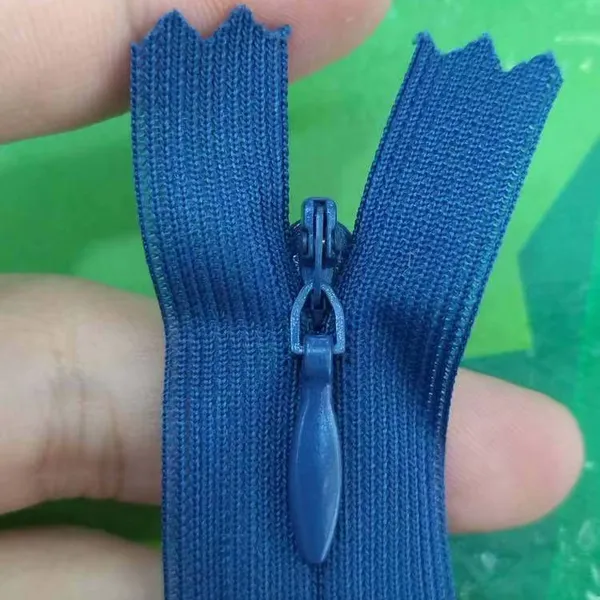 Read More

Contact Us
Recommended Products
-
 Clothing Accessories Lead Free Brass Metal Ring Prong Snap Button With 4 Parts for Infant Baby Clothes Baby BibsUS$ 0.01 - 0.03MOQ: 5000 Sets
-
Brass Metal Stainless Steel Material Ring Prong Snap Button With 4 Parts Lead Free & Nickel Free for Infant Baby Clothes Baby Bibs Baby SuitsUS$ 0.01 - 0.03MOQ: 5000 Sets
-
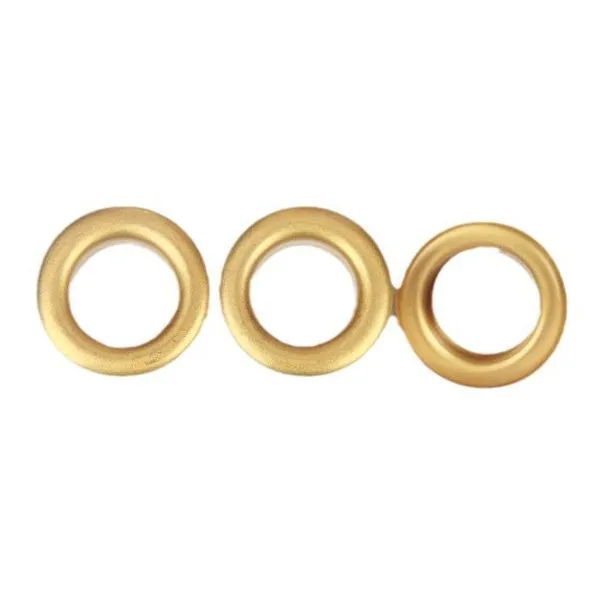
Metal Grommets Eyelets Gold Eyelet for Bag Shoes and Garment AccessoriesUS$ 0.01 - 0.03MOQ: 5000 Sets
-
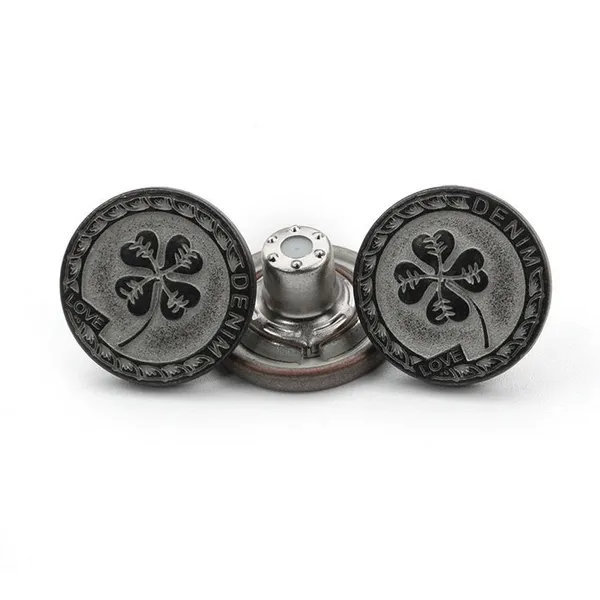
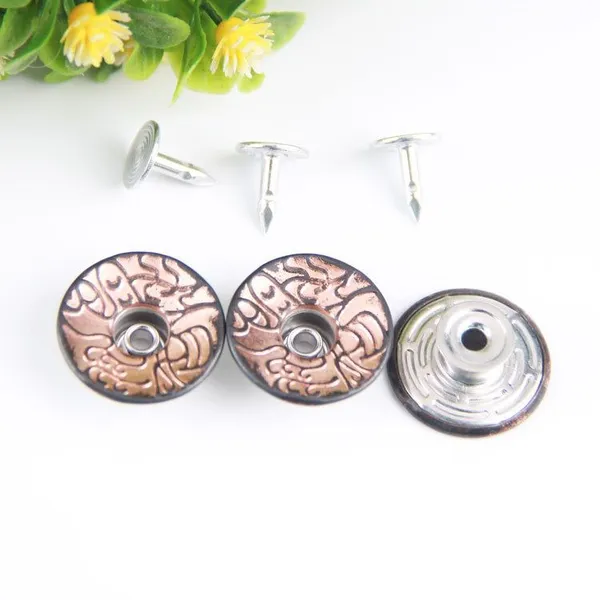
Cheap Price Custom Jeans Button Metal Custom Logo Metal Button for JeansUS$ 0.01 - 0.03MOQ: 5000 Sets
-
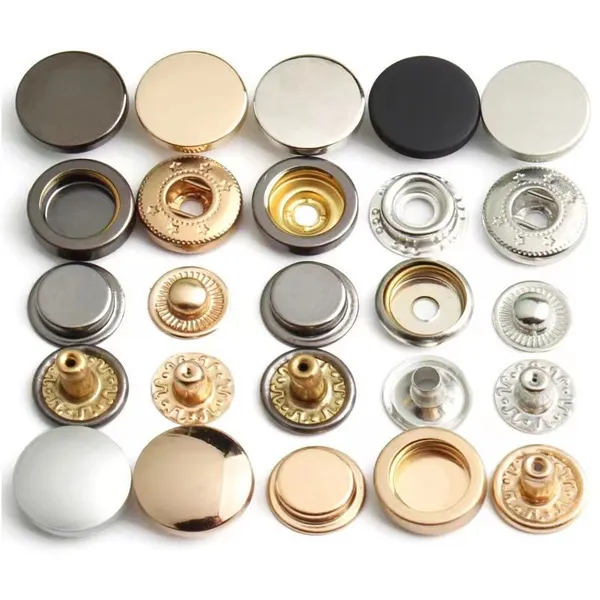
Factory Wholesale Hat Bag Clothing Press Snap Button Spring Snap Button Metal Snap ButtonsUS$ 0.03 - 0.06MOQ: 5000 Sets
-
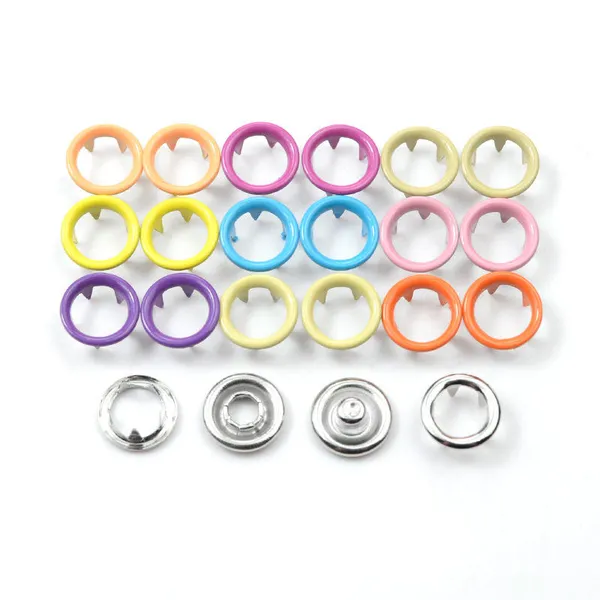
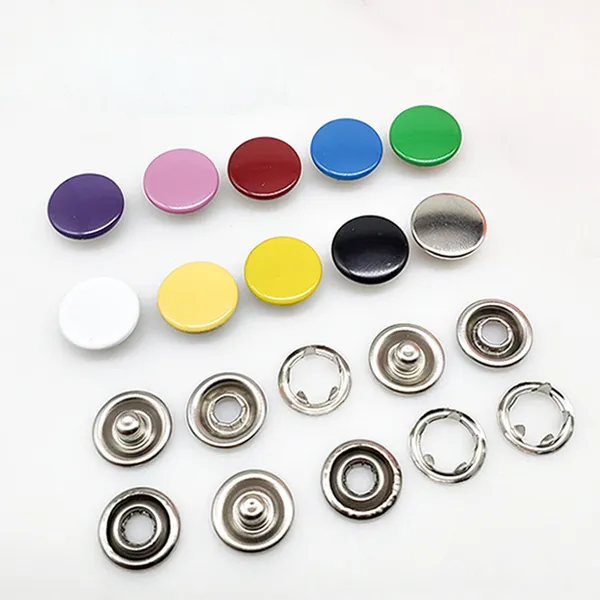
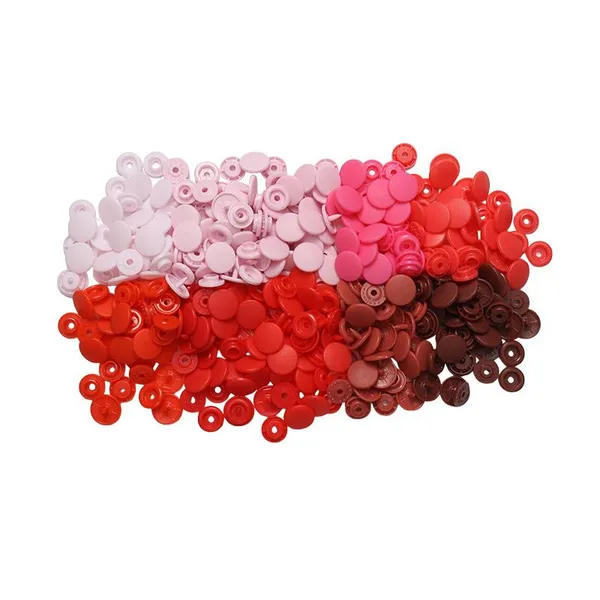
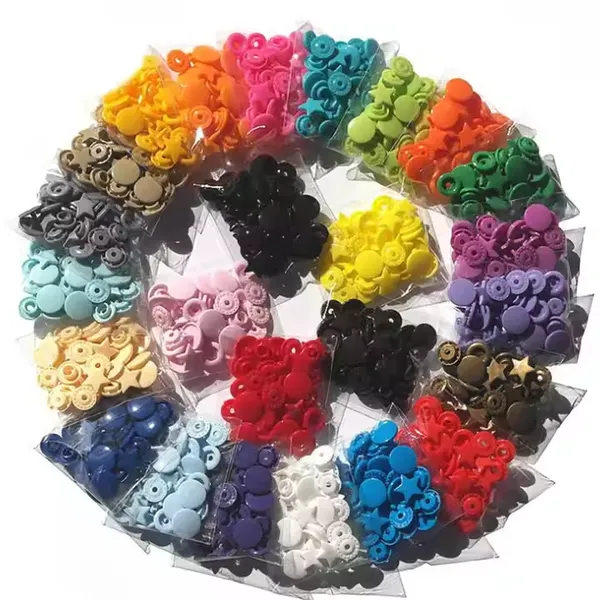
Wholesale Plastic Round Coloured Snaps Button Press Fasteners for Baby Bibs/ Baby GarmentsUS$ 0.01 - 0.03MOQ: 50000 Sets
-
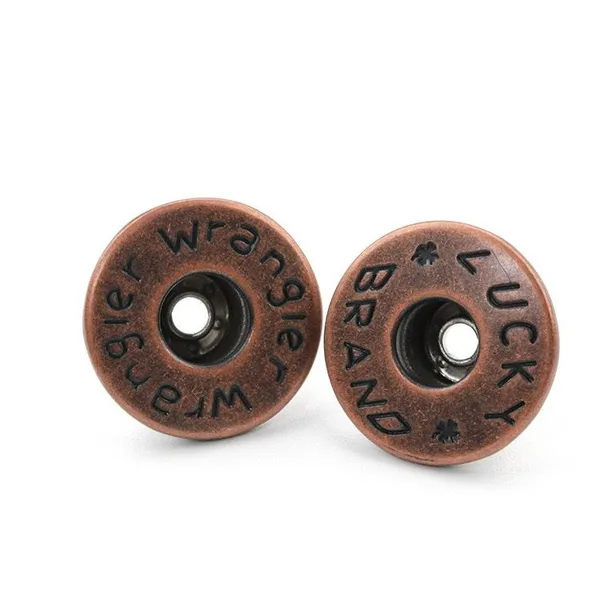
Custom EngravedCopper I Brass Metal Jeans Button Denim Clothes Jacket for Jeans DenimUS$ 0.01 - 0.03MOQ: 5000 Sets
-
17mm Open Hole Shank Button With Aluminum Nail With Logo for Jeans Jacket PantsUS$ 0.01 - 0.03MOQ: 5000 Sets
-
Eco-friendly Custom Size Plastic Snaps Plastic Snap Button for Baby Clothes, Baby BibsUS$ 0.01 - 0.03MOQ: 50000 Sets
-
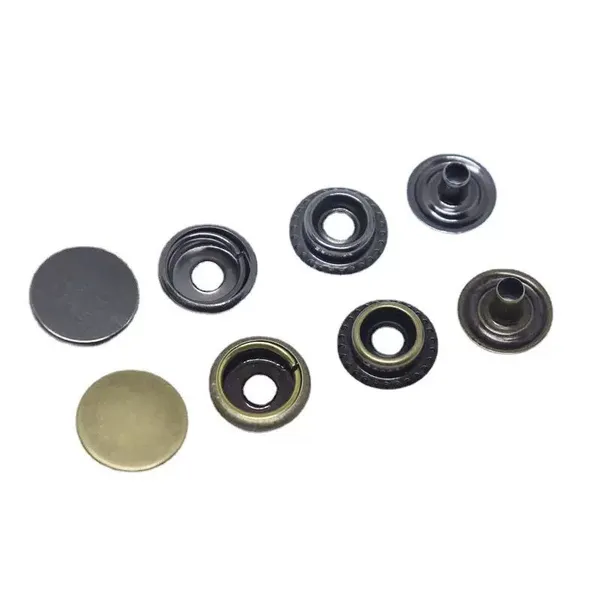
12mm 15mm 17mm 20mm Four Parts Metal Brass Fastener Press Snap Button for Clothes JacketUS$ 0.03 - 0.06MOQ: 5000 Sets
-
Custom Logo Personalized High Quality Metal Press Snap Fastener Snap Buttons for Clothing Garments JacketUS$ 0.03 - 0.06MOQ: 5000 Sets
-
Custom Printing Round Press Spring Four Part Snap Button for Clothing Leather 405#17mmUS$ 0.03 - 0.06MOQ: 5000 Sets
-
OEM Garment Accessories Custom Baby Snap Button Press Metal Prong Pearl Ring Snap ButtonUS$ 0.01 - 0.03MOQ: 5000 Sets
-
Factory Stock Buttons Stainless Steel or Brass Material Colors Pearl Snap Button Prong Pearl Snap Button for Shirts ClothingUS$ 0.01 - 0.03MOQ: 5000 Sets
-
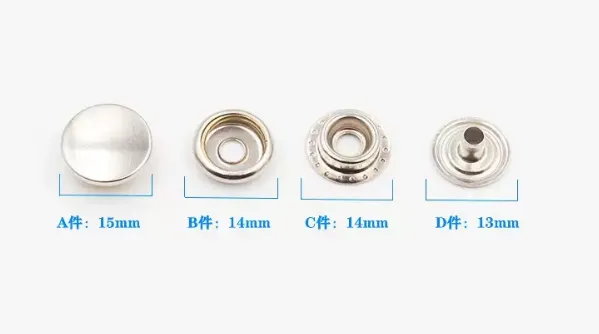
Baby Safe Smooth Edge Plastic Snap Button TS09 9mm POM for Baby Garments and Bodysuits, Soft TouchNegotiableMOQ: 50000 Pieces
-
Plastic Snap Fastener TS09 9mm POM for Kids Sleepwear and Cotton Wear, Custom LogoNegotiableMOQ: 50000 Pieces
-
Printed Logo Bulk Supply Plastic Snap Fastener TS09 9mm for Fabric Totes and PouchesNegotiableMOQ: 50000 Pieces
-
0910(T09)9mm Plastic Snap Buttons for Baby Bibs and Infant ClothingNegotiableMOQ: 50000 Pieces
-
Custom Eco-Friendly Plastic Snap Button T09 9mm POM for Kids Wear and ChildrenswearNegotiableMOQ: 50000 Pieces
-
Printed Logo Plastic Snap Fastener TS09 9mm POM for Fabric Totes and Pouches WholesaleNegotiableMOQ: 50000 Pieces