
 Business License
Blog Categories
Resin Zippers and Molded Teeth: Structure, Names and Typical Uses
A resin zipper is built from molded plastic teeth that are formed directly onto the tape rather than sewn or crimped into place. The teeth are produced by injecting a thermoplastic into a mould that closes around the tape edge, so each tooth is bonded to the tape as it is created. That single production step gives this family its stiffness, its even colour and its characteristic click when the chain closes.
This article works through resin zipper structure from the mould to the finished chain, sets out the plastic zipper terminology that buyers meet under several names, and shows where molded zipper teeth suit a garment and where they do not.
1. What Resin Zipper Structure Means in Practice
Resin zipper structure has three elements, which are the chain, the tape and the slider, with the teeth shared between the chain and the tape. The chain is the pair of tapes with their molded teeth already formed, and it is the unit that is cut to length. Because the teeth are molded onto the tape, a chain cannot be shortened at the end without re-forming the last tooth.
That constraint shapes how a specification is written. A resin chain is ordered to a finished length rather than cut from a continuous roll, and the mould is set for that length before the run starts. A change of 10 mm in the finished opening becomes a change of mould setting rather than a trim at the bench.
The second element is the slider. A molded chain closes with a slider that has a wider channel than a coil chain of the same size, because the tooth is a solid block rather than a flexible loop. Matching the two is a question of size number and channel geometry rather than of adjustment at the machine. Difei Button (Guangzhou) Co Ltd holds the matched slider and chain pair for each size number it runs.
| Element | Material | Note |
|---|---|---|
| Tooth | POM or nylon compound | Injection molded onto the tape |
| Tape | Woven polyester | 20 to 32 mm typical width |
| Slider | Zinc alloy | Wider channel than a coil slider |
| Stops | Molded with the chain | Formed in the same cycle |
The table is short because a resin part carries few separate components. That is an advantage at assembly and a limitation at repair, since a damaged tooth cannot be replaced on its own.
2. How Molded Zipper Teeth Are Formed on the Tape
Molded zipper teeth are formed one tooth at a time in an injection cycle. The tape is fed through the mould, the mould closes around the tape bead, and the thermoplastic fills the cavity to shape a single tooth. The chain then indexes forward by one pitch and the cycle repeats, building a continuous chain at roughly 200 to 400 teeth per minute.
The compound is usually a POM grade chosen for low friction and good dimensional stability. Colour is added as a masterbatch, which is why a molded tooth can be matched closely to a fabric without a separate dyeing stage. A change of colour means a purge of the barrel and a fresh masterbatch.
Cooling time sets the cycle and therefore the cost. A tooth ejected while still warm will deform under the slider later, so the mould is held at a controlled temperature and the cycle is not shortened to gain output. That is the reason a molded chain carries a slightly higher unit cost than a coil of the same size.
3. Plastic Zipper Terminology: Resin, Vislon and Molded
Plastic zipper terminology causes more confusion than the product deserves. The same tooth form is sold as resin, molded, injected or under a brand name such as Vislon, and a buyer comparing quotations may be looking at one product under four labels. The technical description is molded plastic teeth formed on a woven tape.
A brand name matters commercially rather than technically. A licensed brand carries a licence fee and a specification that the factory has to follow, while a generic molded tooth leaves the tolerances to the supplier. Both are molded, and both use a similar compound.
A third term appears for the same family in some catalogues. Delrin is a brand of POM and is sometimes used as a synonym for the tooth material itself, which adds a further layer of naming. Reading a specification, the useful questions are which mould and which compound, rather than which label is printed on the box.
4. Resin Zipper Structure: Chain, Tape and Slider
Resin zipper structure depends on the tape as much as on the tooth. The tape is a woven polyester band from 20 to 32 mm wide, and its bead is thicker than the bead used for a coil chain because the mould grips it during injection. A tape that is too thin will let the compound flash past the cavity.
The bead profile is therefore part of the specification rather than a detail. It is quoted with the tape width and the tooth pitch, and it is checked on the retained sample. A tape from a different weaver with a bead 0.2 mm thinner will produce a tooth with a visible flash line.
The chain is finished with a top stop and a bottom stop formed in the same cycle as the end tooth. That saves a separate fitting operation, and it means the stop shares the tooth colour exactly, which reads better on a part the user sees every day. Difei Button keeps the bead profile on file with the tape supplier and the mould number so that a repeat order is checked against the same reference.
5. Molded Zipper Teeth: Pitch, Profile and Size
Molded zipper teeth are quoted by size number, which follows the closed chain width in millimetres. A size 5 chain measures about 5 mm across the teeth, a size 8 about 8 mm and a size 10 about 10 mm. Tolerance on that figure is normally plus or minus 0.2 mm.
Pitch is the second figure, and it is coarser on a molded chain than on a coil. A size 5 molded chain runs at roughly 4.5 mm pitch, against about 3.5 mm on the coil equivalent. The coarser pitch is part of what makes the chain feel stiffer in the hand and slower to jam when it is dirty.
Profile is the third. A molded tooth is a solid block with a defined interlock face, so the chain closes with a positive click rather than with the soft feel of a coil. That click is useful on outerwear, where the wearer wants to know that the chain has engaged.
6. Plastic Zipper Terminology Across Markets
Plastic zipper terminology shifts between markets and between trades. A garment technologist in one country writes molded, a buyer in another writes injected, and a workshop writes plastic. All three describe a tooth formed in a mould on the tape.
The trade term in some catalogues is delrin tooth, taken from a POM brand. This is a material name used as a product name, which is common in hardware and worth recognising when a quotation is read from an unfamiliar source.
The practical advice is to write the specification in terms that cannot be misread. Chain size, tooth pitch, tape width, tooth material and slider size leave no room for a naming difference, and they are the five figures a supplier needs in any case.
A buyer meeting this vocabulary for the first time can settle it with one question. Asking which mould and which compound is in use reduces every label to a technical answer, and it usually ends the discussion in a single exchange. Suppliers answer that question directly, because it is the one that decides the price.
7. Where Resin Zipper Structure Suits a Garment
Resin zipper structure suits a garment where a crisp line and an exact colour matter more than flexibility. A molded chain holds a straight run on a jacket front, so it does not wander under a narrow topstitch. That is valuable on a tailored outer layer where the seam has to look deliberate.
It also suits a colour programme. Because the tooth colour comes from a masterbatch rather than from a dye bath, a molded tooth can be matched to a fabric reference closely across a long run. A buyer working with six colours in one season gets a consistent result without managing six dye lots.
It suits a structured bag for the same reason. A molded chain gives a case lid an edge that stays straight, which is why the family appears on structured bags and on luggage trim rather than on soft totes that have to fold flat.
8. Molded Zipper Teeth and the Slider Match
Molded zipper teeth need a slider built for the size and for the tooth profile. The channel on a molded slider is cut deeper than on a coil slider, and the puller bridge is set to the width of the chain. Fitting a coil slider to a molded chain will close a few centimetres and then split.
Lock strength is the second point. A molded chain takes a locking pawl well because the tooth face gives the pawl a positive seat. A locked slider on a size 5 molded chain should resist a pull of 40 to 60 newtons without creeping open.
The third point is the puller. A molded chain is stiff, so a heavy puller will not drag the slider open the way it would on a light coil. That allows a larger or a shaped puller on outerwear without a functional penalty. Difei Button checks the slider and the puller against the chain as an assembly before a run is released, and Difei records the matched set with the size number.
9. Frequently Asked Questions
9.1 What is a resin zipper made of?
A resin zipper is made from molded plastic teeth formed directly onto a woven tape. The teeth come from a thermoplastic compound, usually a POM grade chosen for low friction and stable dimensions, and the colour is added as a masterbatch before the moulding cycle. The tape is a woven polyester band from 20 to 32 mm wide with a bead thick enough for the mould to grip. A zinc alloy slider completes the part, and its channel is cut for the profile of the molded tooth.
9.2 How are molded zipper teeth formed?
Molded zipper teeth are formed one tooth at a time in an injection cycle. The tape is fed through the mould, the mould closes around the bead, and the compound fills the cavity to shape a single tooth. The chain then indexes forward by one pitch and the cycle repeats, building a continuous chain at roughly 200 to 400 teeth per minute. Cooling time sets the cycle, so the mould is held at a controlled temperature rather than rushed to gain output.
9.3 What does plastic zipper terminology cover?
Plastic zipper terminology covers the same tooth form under several labels. The technical description is molded plastic teeth on a woven tape, and the trade may call the same product resin, molded, injected or delrin. A brand name such as Vislon adds a licence and a specification but does not change the construction. Writing chain size, pitch, tape width, tooth material and slider size into the specification removes the ambiguity, and it gives a supplier every figure needed to quote without a further question.
9.4 Where is a resin zipper the right choice?
A resin zipper is the right choice where a crisp line and an exact colour matter more than flexibility. A molded chain holds a straight run under a narrow topstitch, which suits a jacket front or a case lid, and the tooth colour comes from a masterbatch so it can be matched across a long run. It is a poorer choice on a soft, tightly curved seam, where a coil chain follows the fabric far more readily. That single difference decides most soft-seam projects.
Recently Posted
-
Nylon Coil vs Molded Resin Zippers: Flexibility, Weight and Cost
October 22, 2026A coil vs molded zipper decision is usually made on feel, and then defended on price. The two families share a plastic tooth and a Read More
-
Difei Button's Nylon Zipper Programme: Sampling, Dyeing and Repeat Orders
October 22, 2026Difei Button (Guangzhou) Co Ltd runs its nylon zipper work as a programme rather than as a series of separate orders. The programm Read More
-
Nylon Coil Zippers for Bags and Luggage: Load and Curve Behaviour
October 21, 2026A nylon zipper for bags is chosen for a different reason than one chosen for a jacket. A bag opens and closes many times a day, it
Read More -
Custom Zipper Orders: Tape Printing, Sliders and Puller Tooling
October 21, 2026A custom zipper order usually changes one of three things: the puller shape, the slider finish, or the printing on the tape. Each Read More

Contact Us
Recommended Products
-
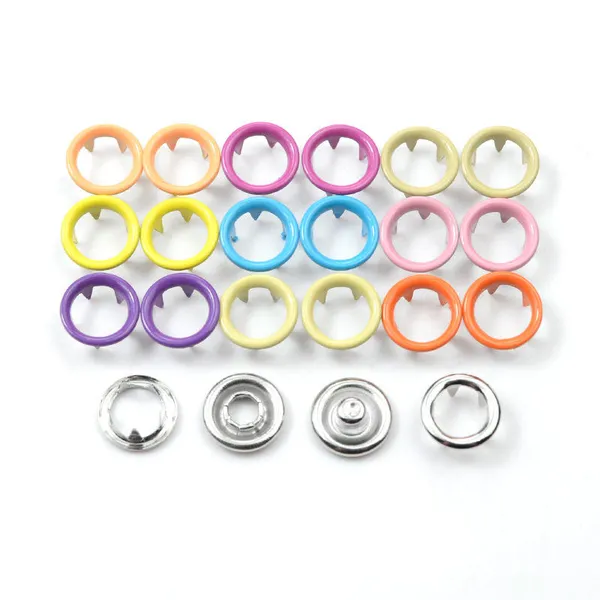
 Clothing Accessories Lead Free Brass Metal Ring Prong Snap Button With 4 Parts for Infant Baby Clothes Baby BibsUS$ 0.01 - 0.03MOQ: 5000 Sets
-
Brass Metal Stainless Steel Material Ring Prong Snap Button With 4 Parts Lead Free & Nickel Free for Infant Baby Clothes Baby Bibs Baby SuitsUS$ 0.01 - 0.03MOQ: 5000 Sets
-
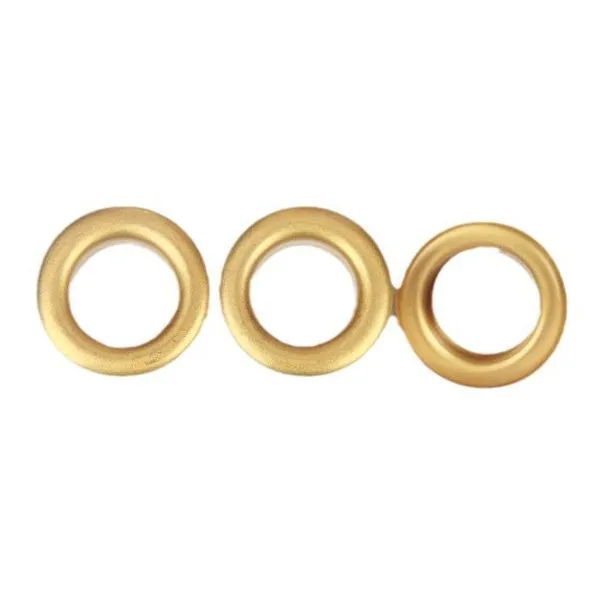
Metal Grommets Eyelets Gold Eyelet for Bag Shoes and Garment AccessoriesUS$ 0.01 - 0.03MOQ: 5000 Sets
-
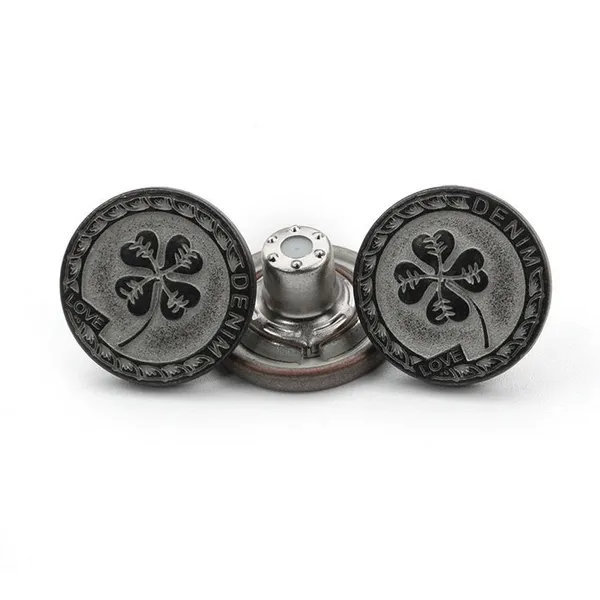
Cheap Price Custom Jeans Button Metal Custom Logo Metal Button for JeansUS$ 0.01 - 0.03MOQ: 5000 Sets
-
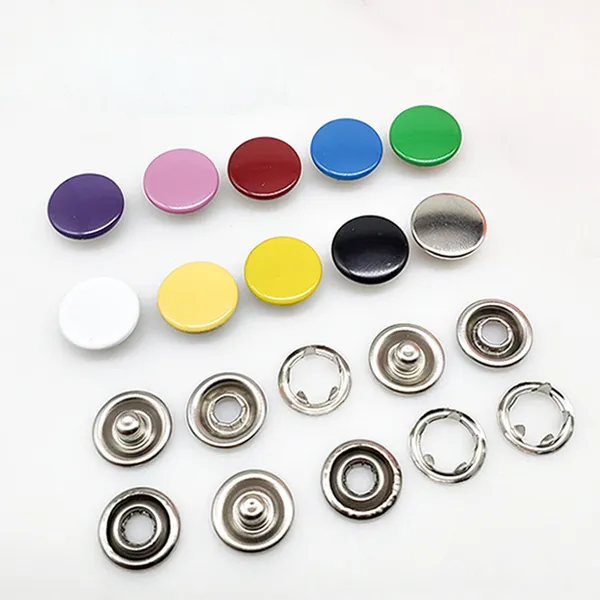
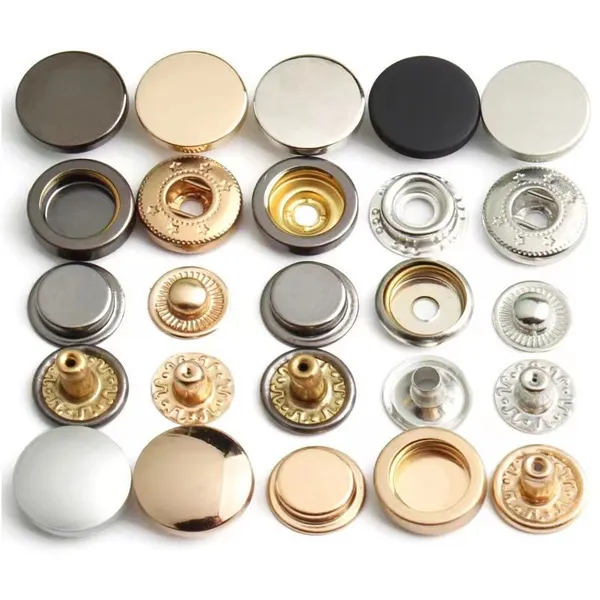
Factory Wholesale Hat Bag Clothing Press Snap Button Spring Snap Button Metal Snap ButtonsUS$ 0.03 - 0.06MOQ: 5000 Sets
-
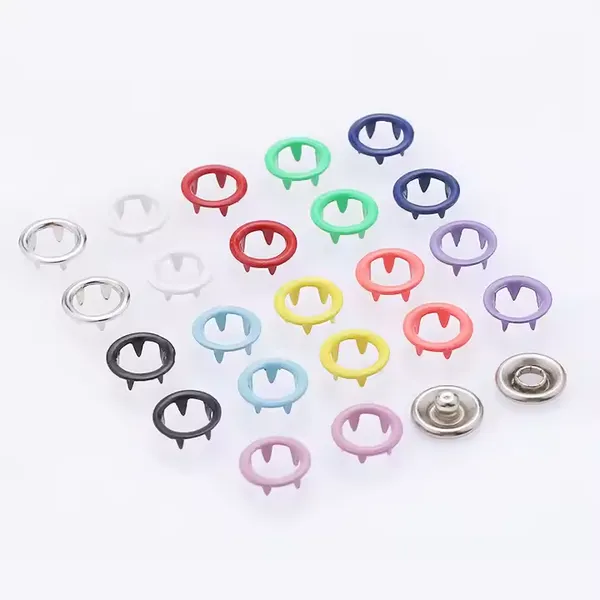
Wholesale Plastic Round Coloured Snaps Button Press Fasteners for Baby Bibs/ Baby GarmentsUS$ 0.01 - 0.03MOQ: 50000 Sets
-
Custom EngravedCopper I Brass Metal Jeans Button Denim Clothes Jacket for Jeans DenimUS$ 0.01 - 0.03MOQ: 5000 Sets
-
17mm Open Hole Shank Button With Aluminum Nail With Logo for Jeans Jacket PantsUS$ 0.01 - 0.03MOQ: 5000 Sets
-
Eco-friendly Custom Size Plastic Snaps Plastic Snap Button for Baby Clothes, Baby BibsUS$ 0.01 - 0.03MOQ: 50000 Sets
-
12mm 15mm 17mm 20mm Four Parts Metal Brass Fastener Press Snap Button for Clothes JacketUS$ 0.03 - 0.06MOQ: 5000 Sets
-
Custom Logo Personalized High Quality Metal Press Snap Fastener Snap Buttons for Clothing Garments JacketUS$ 0.03 - 0.06MOQ: 5000 Sets
-
Custom Printing Round Press Spring Four Part Snap Button for Clothing Leather 405#17mmUS$ 0.03 - 0.06MOQ: 5000 Sets
-
OEM Garment Accessories Custom Baby Snap Button Press Metal Prong Pearl Ring Snap ButtonUS$ 0.01 - 0.03MOQ: 5000 Sets
-
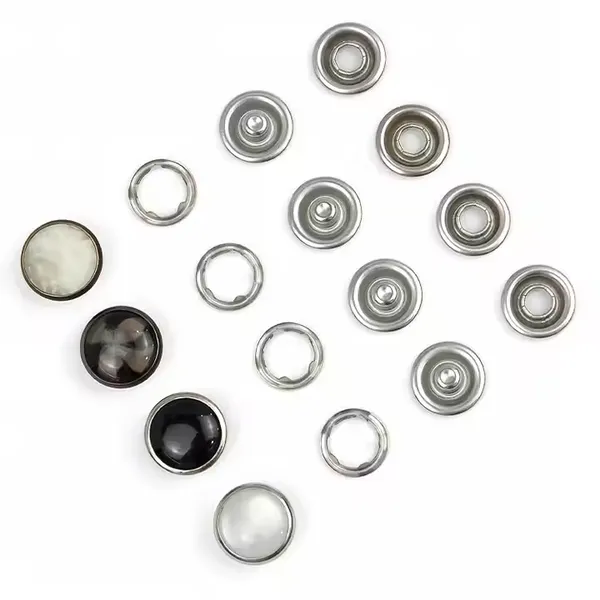
Factory Stock Buttons Stainless Steel or Brass Material Colors Pearl Snap Button Prong Pearl Snap Button for Shirts ClothingUS$ 0.01 - 0.03MOQ: 5000 Sets
-
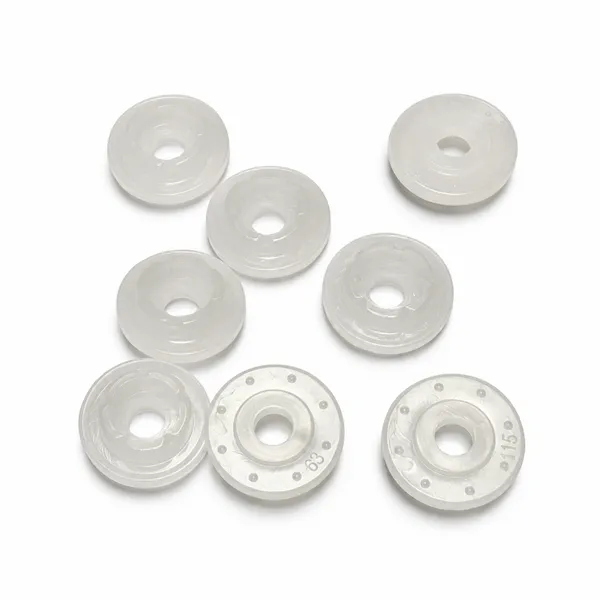
Baby Safe Smooth Edge Plastic Snap Button TS09 9mm POM for Baby Garments and Bodysuits, Soft TouchNegotiableMOQ: 50000 Pieces
-
Plastic Snap Fastener TS09 9mm POM for Kids Sleepwear and Cotton Wear, Custom LogoNegotiableMOQ: 50000 Pieces
-
Printed Logo Bulk Supply Plastic Snap Fastener TS09 9mm for Fabric Totes and PouchesNegotiableMOQ: 50000 Pieces
-
0910(T09)9mm Plastic Snap Buttons for Baby Bibs and Infant ClothingNegotiableMOQ: 50000 Pieces
-
Custom Eco-Friendly Plastic Snap Button T09 9mm POM for Kids Wear and ChildrenswearNegotiableMOQ: 50000 Pieces
-
Printed Logo Plastic Snap Fastener TS09 9mm POM for Fabric Totes and Pouches WholesaleNegotiableMOQ: 50000 Pieces