
 Business License
Blog Categories
Nylon Coil vs Molded Resin Zippers: Flexibility, Weight and Cost
A coil vs molded zipper decision is usually made on feel, and then defended on price. The two families share a plastic tooth and a woven tape, yet they behave differently on the same seam. A coil chain follows a curve and forgives a loose run, while a molded chain holds a firm line and refuses to bend below a certain radius.
This article compares a nylon vs resin zipper on flexibility, weight and colour, then sets out where a zipper cost comparison genuinely separates the two and where it does not.
1. Coil vs Molded Zipper: The Structural Difference
A coil vs molded zipper difference starts at the tooth. A coil tooth is a loop of monofilament wound into a spiral and held to the tape by stitch rows. A molded tooth is a solid block injected around the tape bead, one tooth per cycle. The first is flexible because the loop can open and close; the second is rigid because the block cannot.
That difference decides how the load travels. On a coil chain the pull passes through the thread and the tape, so the seam carries the stress. On a molded chain the pull passes through the tooth itself, so the mould and the compound carry it. A specification for one cannot be copied onto the other.
Repair differs as well. A coil chain can be re-stitched and a broken section replaced, while a molded chain cannot be repaired at a single tooth. That is a real cost over the life of a garment, and it belongs in the purchasing decision rather than in the complaint file. Raising it at the design stage costs nothing, while raising it after a season of returns costs a great deal.
2. Nylon vs Resin Zipper: Flexibility and Recovery
A nylon vs resin zipper comparison on flexibility favours the coil clearly. A size 5 coil turns a radius of about 25 mm without losing mesh, where a molded chain of the same size needs roughly 60 mm before the teeth begin to bind. On a curved neckline or a soft bag corner, that gap decides the selection.
Recovery is the second measure. A coil chain that is folded flat will spring back to shape once the load is removed, because the monofilament has a memory of its wound form. A molded chain that is forced below its radius will hold a kink, and a kink in a molded chain is permanent.
The third measure is drape. A coil chain hangs softly and follows the fabric beside it, while a molded chain stands slightly proud of the seam. On a light dress that stiffness is a fault, and on a structured jacket it is a feature.
The choice also changes the sample that has to be approved. A coil sample can be re-stitched quickly, while a molded sample cannot be altered once the teeth are formed. A buyer working to a tight development calendar should expect the molded route to demand a firmer brief earlier.
3. Zipper Cost Comparison: Where the Money Goes
A zipper cost comparison that stops at the unit price will mislead. The chain is one line of the cost, and the lines that follow it often decide which family is less expensive on a finished garment. Stitching time, rework rate and repair cost all behave differently between the two.
On the chain itself, a molded item usually carries a higher unit cost than a coil of the same size. The injection cycle is slower than winding and stitching, and the mould has to be charged across the order. A coil chain spreads its tooling across a much longer life and a cheaper process.
| Cost line | Coil | Molded |
|---|---|---|
| Chain unit cost | Lower | Higher |
| Tooling | Minimal | Mould charged |
| Stitching time | Higher | Lower |
| Repair in service | Possible | Replacement |
The table explains why a garment factory may choose the higher chain cost. A molded chain needs less stitching attention, so the saving moves from the trim budget to the labour budget, and the total can come out lower on a simple straight seam.
4. Coil vs Molded Zipper: Weight per Metre
A coil vs molded zipper comparison on weight favours the coil, though by less than most buyers expect. A size 5 coil chain weighs roughly 8 grams per metre, while a size 5 molded chain runs about 14 grams per metre. The difference is real but modest on a jacket and almost irrelevant on a bag.
Weight becomes a deciding factor when the run is long. A tent door with a 2,000 mm opening carries about 16 grams more in molded form, and on a lightweight camping product that figure matters. On a pair of jeans the same difference is invisible.
The slider weight adds to it. A molded chain takes a larger slider body than a coil chain of the same size, so the hardware contribution grows as well. A buyer counting grams on a technical garment should weigh the assembled part rather than the chain alone. A chain weighed after a wash adds about 4 grams per metre in either family.
5. Nylon vs Resin Zipper: Colour and Finish Options
A nylon vs resin zipper comparison on colour depends on how the tooth is coloured. A coil is dyed, either as filament before winding or as a finished chain in a bath, so the colour is carried through the material. A molded tooth is coloured by a masterbatch mixed into the compound, so the colour is carried in the melt.
The practical result is that a molded tooth matches a fabric reference more closely and more consistently across a long run. A dyed coil can drift between baths, which is why a colour-critical programme sometimes moves to molded for that reason alone.
Finish options differ in the other direction. A coil chain is available in a very wide range of sizes and tape constructions, including invisible and water-repellent variants, while a molded chain is offered in a narrower band. Where the design needs an unusual tape, the coil family usually wins by default. Difei checks the tape construction against the mould before a molded quotation is issued.
6. Zipper Cost Comparison at Three Order Sizes
A zipper cost comparison changes shape with the order size. At 500 metres the mould charge dominates a molded order and the unit price looks high. At 5,000 metres the same charge is spread thinly and the gap narrows. At 50,000 metres the process cost dominates and the coil advantage returns.
That curve has a practical consequence. A small trial order is almost always cheaper in coil, which is why a first sample is often built on a coil chain even when the production intent is molded. The sample proves the design, and the tooling decision follows the volume.
A buyer should ask for the quotation to show the tooling line separately. Without it, a molded quotation looks permanently expensive, and the point at which it becomes competitive is hidden inside a single number. Splitting the line makes the crossover visible and the negotiation shorter.
7. Coil vs Molded Zipper in a Wash or Clean
A coil vs molded zipper comparison in a wash favours the coil on flexibility and the molded on colour retention. A coil chain relaxes slightly in a hot cycle, which softens the feel but does not change the colour. A molded chain holds its dimensions through the same cycle, and its masterbatch colour is stable.
Abrasion is the second test. A coil tooth is rounded and slides past a drum wall, while a molded tooth is a block with corners that can scuff a coated fabric beside it. That is why a molded chain on a delicate shell sometimes needs a guard or a wider tape.
Chemical resistance is the third. A POM compound resists most garment detergents and softeners, and so does a polyamide monofilament. Neither family is the limiting factor in a normal wash programme, which means the choice can be made on the other grounds.
A test report closes the loop here. Where a wash figure matters, the number should be quoted on the assembled part rather than on the chain alone, because the slider and the tape both contribute to the result. Difei Button (Guangzhou) Co Ltd takes that figure from its own retained sample rather than relying on a general claim.
8. Nylon vs Resin Zipper: Choosing for a Programme
A nylon vs resin zipper decision for a whole programme should be made once. Mixing the two families across a range creates a stock problem, a repair problem and a training problem, and the saving from each choice rarely covers the cost of the confusion.
The sensible rule is to choose on the hardest seam in the range. If one style in the collection needs a tight curve, the coil family serves the whole collection and the molded styles are re-designed. If one style needs an exact colour match, the molded family serves the collection.
Once the family is fixed, the sizes and tapes can be narrowed. Difei Button (Guangzhou) Co Ltd keeps a decision record for each programme it supplies, listing the family, the sizes and the tapes that were approved. Difei reviews that record before a new style is quoted, and Difei flags a proposed change when a style would mix the two families. That single habit keeps a range consistent across seasons.
9. Frequently Asked Questions
9.1 What is the main difference between a coil and a molded zipper?
The main difference in a coil vs molded zipper comparison is the tooth. A coil tooth is a loop of monofilament wound into a spiral and held to the tape by stitch rows, so it flexes and can be repaired. A molded tooth is a solid block injected around the tape bead, so it is rigid, holds a firm line and cannot be repaired at a single tooth. The load path follows the same split, travelling through the seam on a coil and through the tooth on a molded chain.
9.2 Which is lighter, a nylon or a resin zipper?
A nylon vs resin zipper comparison on weight favours the coil. A size 5 coil chain weighs roughly 8 grams per metre, while a size 5 molded chain runs about 14 grams per metre. The gap is modest on a jacket and invisible on a pair of jeans, but it becomes a deciding factor on a long run such as a tent door, where a 2,000 mm opening carries about 16 grams more in molded form. A buyer counting grams should weigh the assembled part and compare it with the slider it will carry.
9.3 How does order size change a zipper cost comparison?
Order size changes a zipper cost comparison more than any other variable. At 500 metres the mould charge dominates a molded order, at 5,000 metres the same charge is spread thinly and the gap narrows, and at 50,000 metres the process cost takes over and the coil advantage returns. That is why a first sample is often built on a coil chain even when production will be molded. Asking for the tooling line to be quoted separately makes the crossover point visible, and it shortens the negotiation by removing the guesswork.
9.4 Which family should a collection use?
A collection should settle on one family and hold it across the range. Mixing coil and molded chains creates a stock problem, a repair problem and a training problem, and the saving from each individual choice rarely covers the cost of the confusion. The sensible rule is to choose on the hardest seam in the range. If one style needs a tight curve the coil serves the collection, and if one style needs an exact colour match the molded family does.
Recently Posted
-
Resin Zippers and Molded Teeth: Structure, Names and Typical Uses
October 22, 2026A resin zipper is built from molded plastic teeth that are formed directly onto the tape rather than sewn or crimped into place. T Read More
-
Difei Button's Nylon Zipper Programme: Sampling, Dyeing and Repeat Orders
October 22, 2026Difei Button (Guangzhou) Co Ltd runs its nylon zipper work as a programme rather than as a series of separate orders. The programm Read More
-
Nylon Coil Zippers for Bags and Luggage: Load and Curve Behaviour
October 21, 2026A nylon zipper for bags is chosen for a different reason than one chosen for a jacket. A bag opens and closes many times a day, it
Read More -
Custom Zipper Orders: Tape Printing, Sliders and Puller Tooling
October 21, 2026A custom zipper order usually changes one of three things: the puller shape, the slider finish, or the printing on the tape. Each Read More

Contact Us
Recommended Products
-
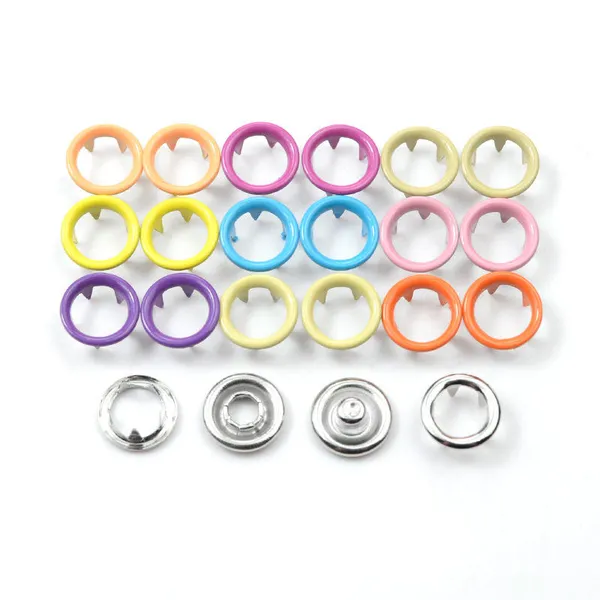
 Clothing Accessories Lead Free Brass Metal Ring Prong Snap Button With 4 Parts for Infant Baby Clothes Baby BibsUS$ 0.01 - 0.03MOQ: 5000 Sets
-
Brass Metal Stainless Steel Material Ring Prong Snap Button With 4 Parts Lead Free & Nickel Free for Infant Baby Clothes Baby Bibs Baby SuitsUS$ 0.01 - 0.03MOQ: 5000 Sets
-
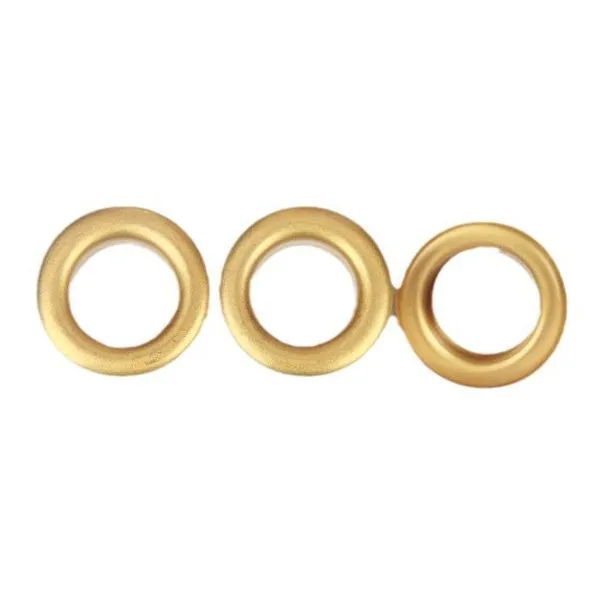
Metal Grommets Eyelets Gold Eyelet for Bag Shoes and Garment AccessoriesUS$ 0.01 - 0.03MOQ: 5000 Sets
-
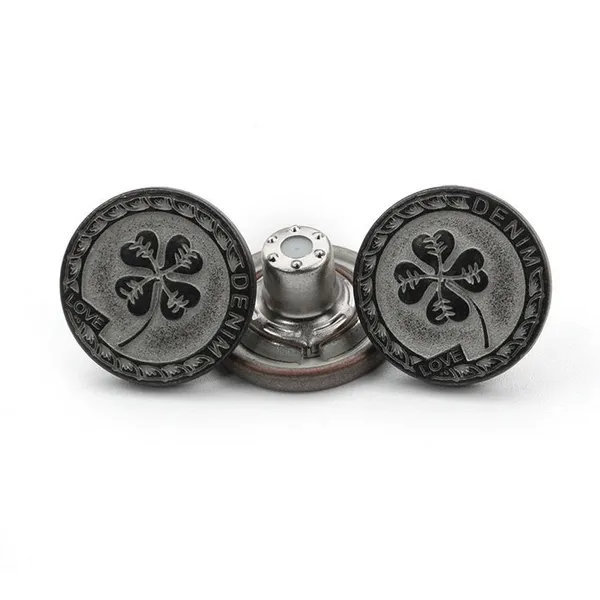
Cheap Price Custom Jeans Button Metal Custom Logo Metal Button for JeansUS$ 0.01 - 0.03MOQ: 5000 Sets
-
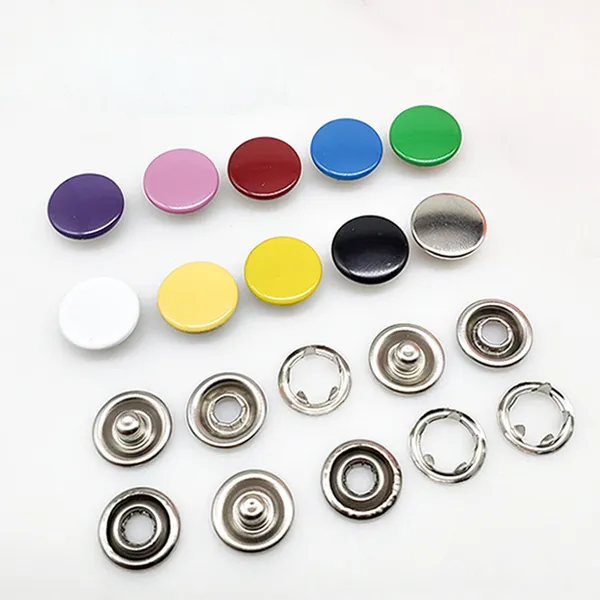
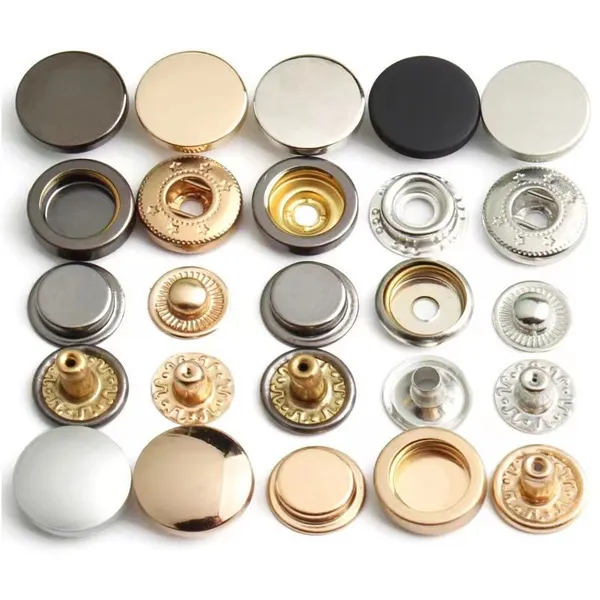
Factory Wholesale Hat Bag Clothing Press Snap Button Spring Snap Button Metal Snap ButtonsUS$ 0.03 - 0.06MOQ: 5000 Sets
-
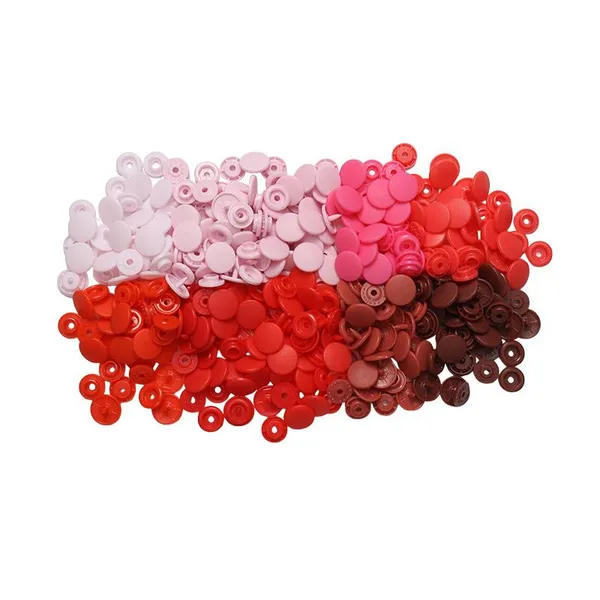
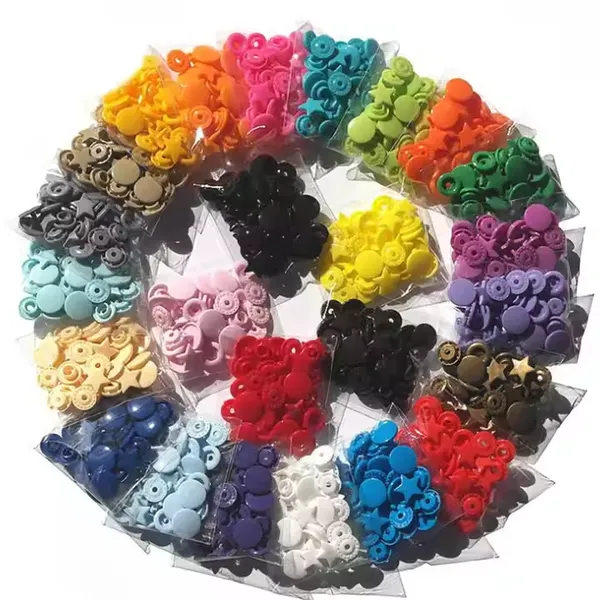
Wholesale Plastic Round Coloured Snaps Button Press Fasteners for Baby Bibs/ Baby GarmentsUS$ 0.01 - 0.03MOQ: 50000 Sets
-
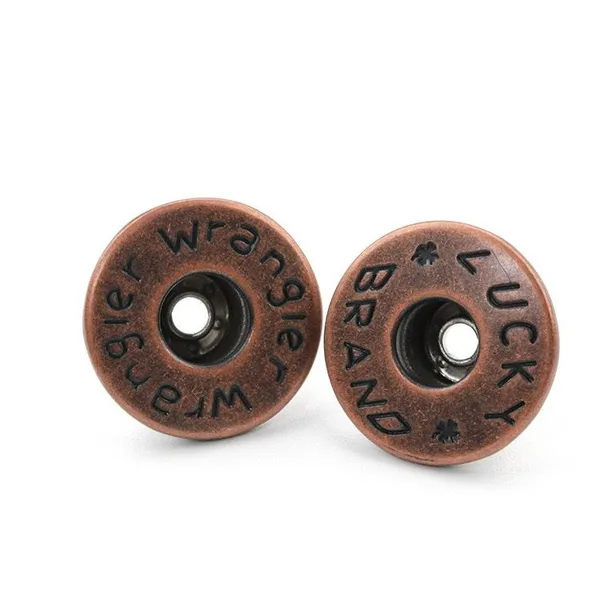
Custom EngravedCopper I Brass Metal Jeans Button Denim Clothes Jacket for Jeans DenimUS$ 0.01 - 0.03MOQ: 5000 Sets
-
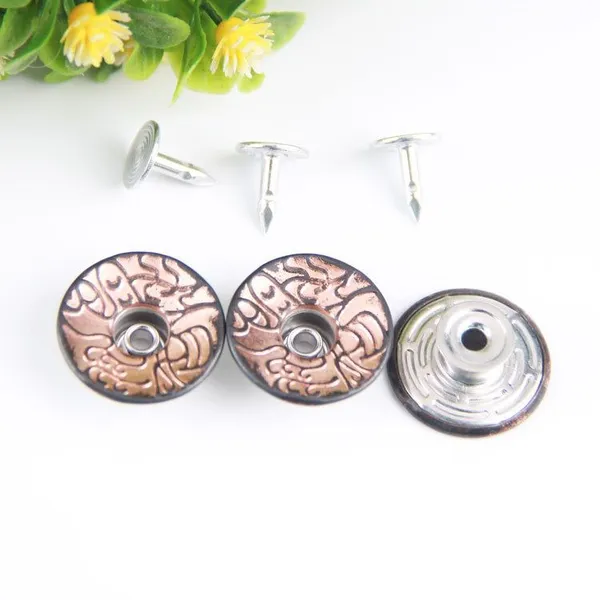
17mm Open Hole Shank Button With Aluminum Nail With Logo for Jeans Jacket PantsUS$ 0.01 - 0.03MOQ: 5000 Sets
-
Eco-friendly Custom Size Plastic Snaps Plastic Snap Button for Baby Clothes, Baby BibsUS$ 0.01 - 0.03MOQ: 50000 Sets
-
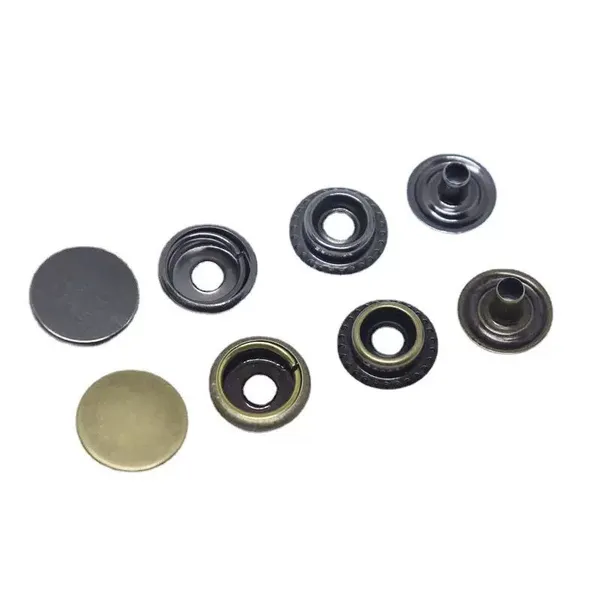
12mm 15mm 17mm 20mm Four Parts Metal Brass Fastener Press Snap Button for Clothes JacketUS$ 0.03 - 0.06MOQ: 5000 Sets
-
Custom Logo Personalized High Quality Metal Press Snap Fastener Snap Buttons for Clothing Garments JacketUS$ 0.03 - 0.06MOQ: 5000 Sets
-
Custom Printing Round Press Spring Four Part Snap Button for Clothing Leather 405#17mmUS$ 0.03 - 0.06MOQ: 5000 Sets
-
OEM Garment Accessories Custom Baby Snap Button Press Metal Prong Pearl Ring Snap ButtonUS$ 0.01 - 0.03MOQ: 5000 Sets
-
Factory Stock Buttons Stainless Steel or Brass Material Colors Pearl Snap Button Prong Pearl Snap Button for Shirts ClothingUS$ 0.01 - 0.03MOQ: 5000 Sets
-
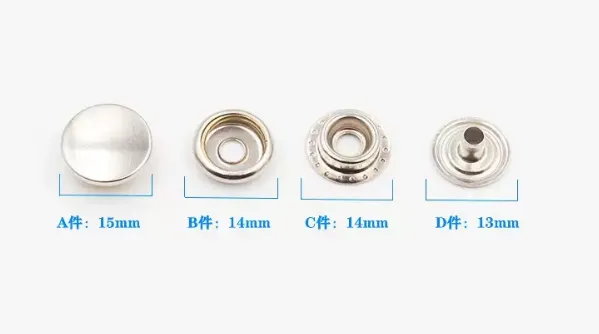
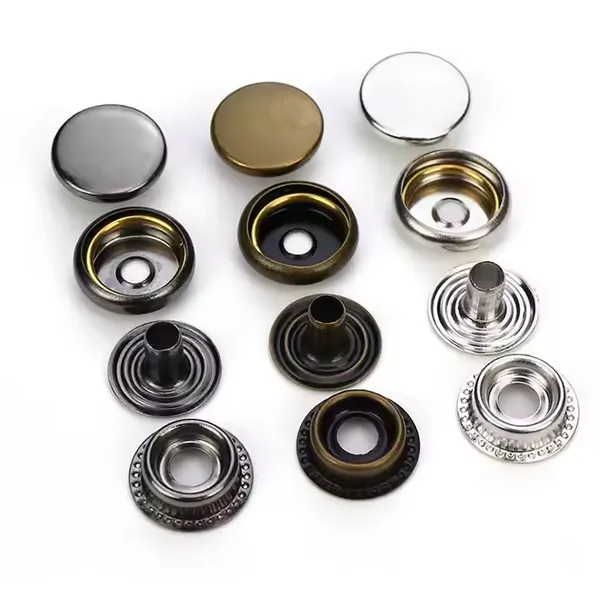
Baby Safe Smooth Edge Plastic Snap Button TS09 9mm POM for Baby Garments and Bodysuits, Soft TouchNegotiableMOQ: 50000 Pieces
-
Plastic Snap Fastener TS09 9mm POM for Kids Sleepwear and Cotton Wear, Custom LogoNegotiableMOQ: 50000 Pieces
-
Printed Logo Bulk Supply Plastic Snap Fastener TS09 9mm for Fabric Totes and PouchesNegotiableMOQ: 50000 Pieces
-
0910(T09)9mm Plastic Snap Buttons for Baby Bibs and Infant ClothingNegotiableMOQ: 50000 Pieces
-
Custom Eco-Friendly Plastic Snap Button T09 9mm POM for Kids Wear and ChildrenswearNegotiableMOQ: 50000 Pieces
-
Printed Logo Plastic Snap Fastener TS09 9mm POM for Fabric Totes and Pouches WholesaleNegotiableMOQ: 50000 Pieces