
 Business License
Blog Categories
Metal Zipper Finishes: Brass, Antique Brass, Nickel and Black Oxide
A metal zipper finish is the surface treatment applied to the teeth, the slider and the stops after the chain is assembled. The finish sets the colour a designer sees on the garment, and it also sets how the metal resists tarnish, salt and repeated washing. Four finishes cover most orders: bright brass, antique brass, bright nickel and black nickel, and a decorative plate runs at about 0.1 micron while a marine grade plate can run past 1 micron.
This article explains what each metal zipper finish is, how an antique brass zipper is aged, and when a black nickel zipper is the better choice. It also sets out how to write the finish on a purchase order across 4 lines, so that a repeat batch matches the approved swatch.
1. What a Metal Zipper Finish Does
A metal zipper finish is applied after the teeth are stamped and the chain is assembled, which is why the colour reaches every visible part in one pass. It protects the base metal from moisture and from the sulphur compounds that darken brass in storage. It also fixes the appearance that the buyer approves on a swatch card, and that card becomes the reference for the whole order.
The base metal still matters under the finish. A brass tooth takes a warm tone and a zinc or steel tooth takes a cooler one, so the same plating name can read differently on 2 chains. A buyer comparing finishes should compare them on the same base metal, at the same lighting angle.
Plate thickness is the figure that decides how long the finish survives. A decorative finish runs at about 0.1 micron, while a finish intended for salt water runs at 0.5 micron or more. Difei Button (Guangzhou) Co Ltd records the plating thickness beside the finish name, because the name alone does not fix durability.
2. An Antique Brass Zipper and How It Ages
An antique brass zipper is made by darkening a bright brass surface and then brushing back part of the colour, so the raised areas stay lighter than the recesses. The result is a finish with depth rather than a flat tone. It suits denim, leather and heavy canvas of 12 ounces or more, where a polished tooth would look out of place.
Ageing is a controlled step rather than a natural process in production. The chain is dipped, rinsed and brushed to a target shade that is held against a master swatch, and 3 master shades are kept per base metal. A batch that drifts lighter or darker than the master is rejected before it reaches assembly.
An antique brass zipper continues to change in service, and that movement is part of its character. Wear at the slider and at a frequently used section of chain polishes the high points further. A buyer who wants a fixed colour should choose a lacquered finish instead, and that choice is written on the order.
3. Nickel Plating on a Metal Zipper Finish
Nickel plating gives a metal zipper finish its coldest and brightest appearance, and it is the finish most often specified for fashion hardware. The plate is hard, wears slowly and takes a high polish of about 0.2 micron in the bright version. It is also the finish that shows fingerprints and fine scratches most readily.
Bright nickel and black nickel start from the same bath. The bright version stops at the polished plate, while the dark version adds a further layer of 0.05 micron or more that turns the surface grey black. The 2 finishes therefore share a corrosion base and differ in appearance.
Nickel release is a separate question from appearance. Some markets restrict the amount of nickel that may be released from a part held against the skin, and a coated or lacquered nickel part is used where that limit applies. Difei checks the release figure against the destination market before a finish is confirmed.
4. What a Black Nickel Zipper Looks Like
A black nickel zipper carries a dark grey surface with a soft metallic sheen rather than a true black. The tone sits between gunmetal and graphite, and it reads as a deliberate design choice on a dark garment. It is often used where a bright tooth would break up the line of the fabric on a 5 mm chain.
The dark layer is thinner than the bright plate underneath it, so the colour can thin at a sharp edge over time. A stamped tooth edge is where this shows first, often within 2 seasons of heavy wear. A buyer who needs the dark tone to hold should specify a thicker top layer and say so on the drawing.
A black nickel zipper also pairs well with black oxide hardware and with a dark slider, which is why the 2 finishes are often ordered together on one style. Matching the tone across the zip, the eyelets and the rivets takes one comparison on a swatch board. Difei keeps the matched set on file so a later reorder holds the same tone.
5. Antique Brass Zipper Care and Wear
An antique brass zipper needs less care than a polished one, because the finish is meant to look worn. A soft brush removes dust from the recesses, and a dry cloth lifts fingerprints from the slider. Abrasive polish should be kept away, because it strips the deliberate darkening in 2 or 3 passes.
Washing is the harder test. A garment washed at 40 degrees with a normal detergent will dull a bright finish faster than an antique one, and a tumble dry adds wear on the slider body. A buyer writing a care label should test the zip in the same wash cycle the garment will take.
Salt is the exposure that antique finishes respond to least well, because a darkened brass surface holds chloride at the grain boundary. A marine zip is therefore given a thicker plate of 0.5 micron or a lacquer rather than an antique treatment. That distinction belongs in the specification, not in a note after the goods are shipped.
6. Comparing Finish Options for Metal Zippers
Comparing metal zippers by finish comes down to 3 questions: what colour is wanted, what exposure the part will see, and how long the colour has to hold. A bright brass finish answers the first and the third but not the second. A lacquered or heavy plated finish answers the second at the cost of a slightly different surface.
| Finish | Colour | Typical use |
|---|---|---|
| Bright brass | Warm gold | Denim and workwear |
| Antique brass | Darkened gold | Leather and canvas |
| Bright nickel | Cool silver | Fashion hardware |
| Black nickel | Grey black | Outerwear and bags |
Cost sits in the same order. A bright finish is the least expensive of the four to apply, an antique finish adds a manual step, and a heavy marine plate adds time in the bath. The gap between a bright finish and a marine finish can reach 15 percent of the part price on a small item.
The decision is usually made on a swatch card rather than on a description. A buyer who holds a bright brass, an antique brass and a black nickel tooth against the fabric settles the question in minutes. Difei sends the 3 swatches on one card, so the comparison is made under one light source.
7. Black Nickel Zipper Performance in Wear Tests
A black nickel zipper is judged in a wear test on 2 points: the colour shift at the edges and the adhesion of the plate. A salt spray test of 24 hours shows whether the plate has begun to lift, and a rub test shows how far the dark tone has thinned. Both figures are recorded against the batch.
Adhesion is the more important of the two on a part that is handled often. A plate that passes the colour check but fails the tape test will flake at the slider within 3 months of daily use. The buyer should ask for the adhesion result rather than the colour result alone.
A black nickel zipper that is lacquered over the plate holds its tone longer but loses the cool touch of bare metal. That trade is worth stating on the order, because the 2 finishes look the same on a swatch. Difei labels each swatch with the treatment, so the 3 options stay distinct.
8. Specifying a Metal Zipper Finish on an Order
A metal zipper finish is specified in 4 parts on a purchase order: the finish name, the base metal, the plating thickness and the reference swatch. A finish name alone leaves too much room, because the same name covers several thicknesses. The reference swatch is what settles a dispute at inspection.
Two more lines belong on the order when a finish has to match an existing style. The first names the parts that must carry the same tone, such as the zip, the eyelets and the rivets. The second records the lighting the swatch was approved under, because a warm light and a cool light make the same plate look 2 different colours.
The line should also say which parts carry the finish. A finish applied to the teeth but not the slider reads as a mismatch on a finished garment, and the drawing should show the slider finish beside the tooth finish. Writing both removes the ambiguity.
A retained sample closes the loop. When the order repeats, the new batch is compared against the sample under the same light, and a shade that has moved is visible at once. That single habit keeps an antique brass zipper, a black nickel zipper and every other finish consistent across 2 or 3 seasons.
9. Frequently Asked Questions
9.1 What is a metal zipper finish?
A metal zipper finish is the surface treatment applied to the teeth, the slider and the stops after the chain is assembled. It sets both the colour of the part and its resistance to tarnish, salt and repeated washing. The common finishes are bright brass, antique brass, bright nickel and black nickel, and each one can be applied at more than one thickness. The finish name alone does not fix durability, so a specification should carry the plating thickness and an approved swatch beside the name.
9.2 How is an antique brass zipper made?
An antique brass zipper is made by darkening a bright brass surface and then brushing back part of the colour, so the raised areas stay lighter than the recesses. The chain is dipped, rinsed and brushed to a target shade that is held against a master swatch. A batch that drifts lighter or darker than the master is rejected before assembly. The result is a finish with depth rather than a flat tone, and it continues to change slowly in service as the high points polish.
9.3 When should a buyer choose a black nickel zipper?
A black nickel zipper suits a dark garment where a bright tooth would break the line of the fabric, and it pairs well with black oxide eyelets and rivets. The tone is a soft grey black rather than a true black, and it reads as a deliberate design choice on outerwear and on bags. Because the dark layer sits over a bright plate, the colour can thin at a sharp stamped edge over time, so a buyer who needs the tone to hold should ask for a thicker top layer. That detail belongs on the drawing rather than in a note after shipment.
9.4 How do you specify a metal zipper finish?
Specifying a metal zipper finish takes 4 figures on the order: the finish name, the base metal, the plating thickness and the reference swatch. The name alone leaves too much room, because the same name covers more than one thickness and more than one base. The line should also state which parts carry the finish, since a plated tooth with an unplated slider reads as a mismatch. A retained sample then settles any shade question at inspection, under the same light used when the swatch was approved.
Recently Posted
-
Nylon Zipper Variants: Coil, Invisible and Water-Repellent Tapes
October 29, 2026Almost every zip sold as a nylon zip is built on the same coil chain, and the differences between products sit in the tape rather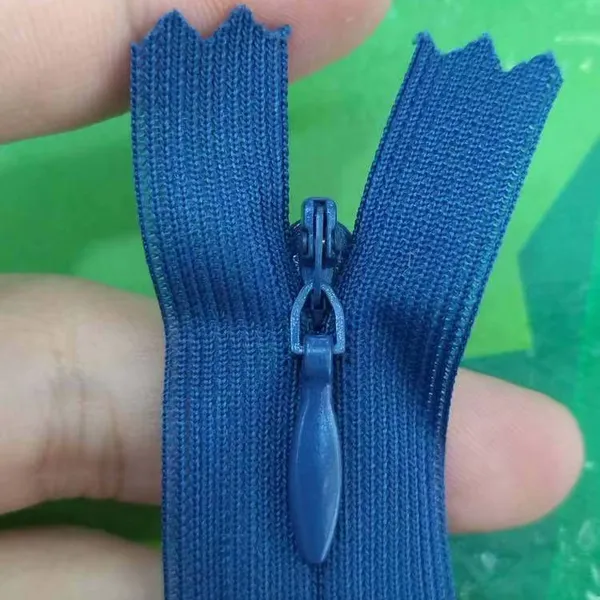 Read More
-
Zipper Tape and Teeth Materials: What Each Layer Is Made Of
October 29, 2026A zipper is built from 4 material layers that are chosen together: the woven tape, the teeth, the sewing thread and the coating ap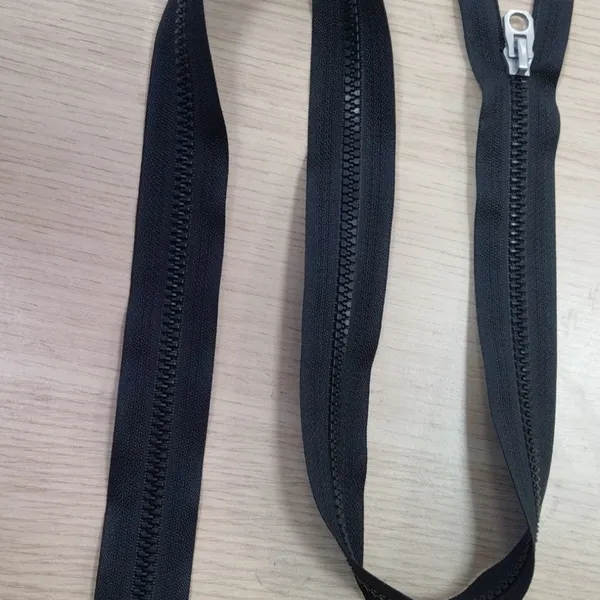 Read More
-
Metal Zipper Manufacturing: Wire Forming, Teeth Stamping and Assembly
October 29, 2026Metal zipper manufacturing turns a coil of brass or aluminium wire into a finished chain in 4 main stages. The wire is formed into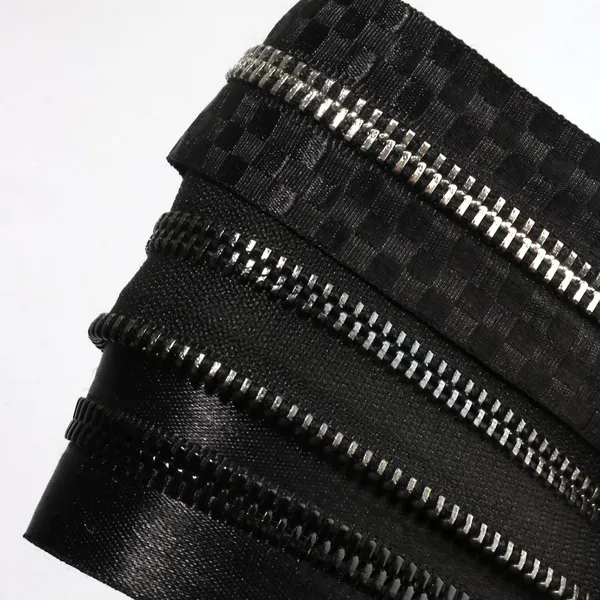 Read More
-
Zipper Strength Testing: Pull Apart, Holding and Slider Lock Tests
October 28, 2026A zipper strength test measures how much load a chain can take before it separates, and how well a slider holds that chain closed.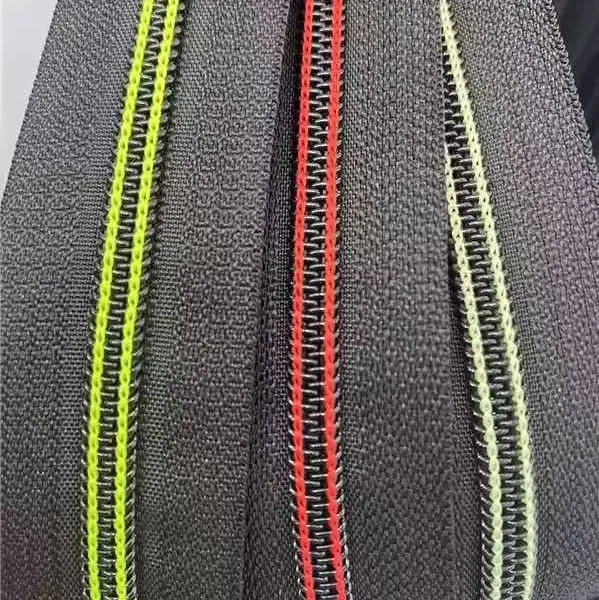 Read More

Contact Us
Recommended Products
-
 Clothing Accessories Lead Free Brass Metal Ring Prong Snap Button With 4 Parts for Infant Baby Clothes Baby BibsUS$ 0.01 - 0.03MOQ: 5000 Sets
-
Brass Metal Stainless Steel Material Ring Prong Snap Button With 4 Parts Lead Free & Nickel Free for Infant Baby Clothes Baby Bibs Baby SuitsUS$ 0.01 - 0.03MOQ: 5000 Sets
-
Metal Grommets Eyelets Gold Eyelet for Bag Shoes and Garment AccessoriesUS$ 0.01 - 0.03MOQ: 5000 Sets
-
Cheap Price Custom Jeans Button Metal Custom Logo Metal Button for JeansUS$ 0.01 - 0.03MOQ: 5000 Sets
-
Factory Wholesale Hat Bag Clothing Press Snap Button Spring Snap Button Metal Snap ButtonsUS$ 0.03 - 0.06MOQ: 5000 Sets
-
Wholesale Plastic Round Coloured Snaps Button Press Fasteners for Baby Bibs/ Baby GarmentsUS$ 0.01 - 0.03MOQ: 50000 Sets
-
Custom EngravedCopper I Brass Metal Jeans Button Denim Clothes Jacket for Jeans DenimUS$ 0.01 - 0.03MOQ: 5000 Sets
-
17mm Open Hole Shank Button With Aluminum Nail With Logo for Jeans Jacket PantsUS$ 0.01 - 0.03MOQ: 5000 Sets
-
Eco-friendly Custom Size Plastic Snaps Plastic Snap Button for Baby Clothes, Baby BibsUS$ 0.01 - 0.03MOQ: 50000 Sets
-
12mm 15mm 17mm 20mm Four Parts Metal Brass Fastener Press Snap Button for Clothes JacketUS$ 0.03 - 0.06MOQ: 5000 Sets
-
Custom Logo Personalized High Quality Metal Press Snap Fastener Snap Buttons for Clothing Garments JacketUS$ 0.03 - 0.06MOQ: 5000 Sets
-
Custom Printing Round Press Spring Four Part Snap Button for Clothing Leather 405#17mmUS$ 0.03 - 0.06MOQ: 5000 Sets
-
OEM Garment Accessories Custom Baby Snap Button Press Metal Prong Pearl Ring Snap ButtonUS$ 0.01 - 0.03MOQ: 5000 Sets
-
Factory Stock Buttons Stainless Steel or Brass Material Colors Pearl Snap Button Prong Pearl Snap Button for Shirts ClothingUS$ 0.01 - 0.03MOQ: 5000 Sets
-
Easy Installation 12.3mm Plastic Snap Button Custom Engraved Logo For Fabric Closure HardwareNegotiableMOQ: 50000 Pieces
-
Impact Resistant 1311 T5 Plastic Snap Fastener 12.3mm Factory OEM For Fabric Closure PartsNegotiableMOQ: 50000 Pieces
-
Factory Direct Wholesale Plastic Snap Button12.3mm POM for Bed Sheets and Duvet CoversNegotiableMOQ: 50000 Pieces
-
Square Plastic Snap Button 8.5mm for Baby Garments, Soft Edge Non-Scratch, Steam Disinfection SafeNegotiableMOQ: 50000 Pieces
-
Impact Resistant Square Snap Fastener 8.5x8.5mm Plastic POM for Outer Apparel and WorkwearNegotiableMOQ: 50000 Pieces
-
Matte Finish Reinforced Plastic Snap Fastener 1311 T5 12.3mm for Bags and LuggageNegotiableMOQ: 50000 Pieces