
 Business License
Blog Categories
Resin Zipper Lines at Difei Button: Colour Matching and Tooling Support
Difei Button (Guangzhou) Co Ltd runs its resin zipper work as a colour and tooling service rather than as a catalogue. The line is set up to match a tooth to a fabric reference, to cut a mould for a specific size and length, and to hold both against a retained sample across a season. That combination is what a buyer needs when a collection runs several colours on one chain.
This article sets out how a resin zipper manufacturer handles colour matching, what a molded zipper supplier does at the tooling stage, and how Difei supports a programme after the first order has shipped.
1. A Resin Zipper Manufacturer Set Up for Colour
A resin zipper manufacturer set up for colour works from a masterbatch rather than from a dye bath. The tooth colour is compounded into the plastic before it reaches the mould, so a run can be held to a tight tolerance across a long quantity without the drift that a dyed lot can show.
That structure changes the sampling sequence. A colour is proved as a molded tab rather than as a length of dyed tape, which takes a few days and costs a small quantity of compound. Once the tab is approved, the same masterbatch runs on the production machine without a further colour step.
The advantage shows up in a collection. Six colours on one chain can be run from six masterbatches against one mould setting, so the sizes and the lengths stay constant while the shade changes. A buyer comparing a molded programme with a dyed one should weigh that consistency against the tooling charge.
A colour that has to sit beside a printed logo adds one more step. The tape print and the tooth colour are approved together, because a mark that reads correctly against one shade can look wrong against another. Difei holds both approvals in the same file for that reason.
| Stage | What is proved | Usual duration |
|---|---|---|
| Colour tab | Shade against the reference | 3 to 5 days |
| Mould trial | Tooth form and length | 5 to 7 days |
| Assembly sample | Slider and puller fit | 3 to 5 days |
| Approved sample | Reference for bulk | Retained on file |
2. Molded Zipper Supplier Support at the Tooling Stage
Molded zipper supplier support matters most at the tooling stage, because that is where the cost and the schedule both sit. A new tooth mould takes three to five weeks to cut and prove, and every decision taken after the drawing is final adds a week to the programme.
The useful support at that stage is a review rather than a quotation. Difei checks the tooth profile, the chain size, the finished length and the stop positions against the intended seam before the mould is cut. A change of length at that point is free, while the same change after the tool is cut is a new tool.
Difei also checks whether an existing mould can serve the request. Where the size and the profile already exist, the length changes and the tool is used as it is. That saves the whole three to five week cycle and is worth asking about before a new mould is approved. It is the first thing a buyer should raise on a molded enquiry.
3. Zipper Colour Matching Against a Fabric Reference
Zipper colour matching works from a physical reference rather than from a screen or a printed swatch. A fabric piece, a colour chip or an approved tape is the reference, and the masterbatch is adjusted until a molded tab reads the same under a fixed lamp.
Two light sources are used for the check. A daylight lamp and a warm lamp together catch a metameric match, which is a pair of colours that agree under one light and separate under another. That fault is common when a plastic tooth is matched to a dyed fabric, and it is why the check is done twice.
Zipper colour matching is repeated at the bulk stage rather than settled once at approval. A measured difference is reported as a numeric value rather than as an opinion. Difei Button (Guangzhou) Co Ltd reports the figure against the reference so a buyer can decide whether the difference is acceptable, and Difei keeps the approved tab with the masterbatch number. That file is what a repeat order is checked against.
4. Resin Zipper Manufacturer Tooling: Moulds and Cavities
A resin zipper manufacturer quotes tooling by the mould rather than by the tooth. The number of cavities in the mould sets the output per cycle, so a two-cavity tool produces twice the chain of a single-cavity tool at a higher tooling cost.
For a first order a single-cavity tool is usually the sensible choice. It proves the tooth form on a real chain before a larger investment is made, and it can be replaced later if the volume justifies a wider tool. Deciding that question at the first order rather than at the tenth keeps the commitment proportionate.
The mould is charged once and then amortised across the programme. Difei records the mould number, the drawing revision and the approved sample together, so a repeat order carries no tooling line and the same tooth is produced on the tenth run as on the first.
A mould has a working life as well as a cost. After a large number of shots the cavity wears and the tooth grows slightly at the edges, which shows as a looser fit at the slider. Difei measures the part against the approved sample before that point rather than after it.
5. Molded Zipper Supplier Lead Time and Capacity
A molded zipper supplier quotes lead time from the approval rather than from the enquiry, and the figure has two parts. The first is the tool, which takes three to five weeks on a new mould and nothing at all on an existing one. The second is the run, which is usually 15 to 20 days for a standard quantity.
Capacity is planned in weekly slots so that a buyer can see where a run sits and what a date change would cost. Difei confirms the slot in writing before the compound is ordered, because a masterbatch that has been compounded for a cancelled slot cannot be returned to stock.
The two parts are quoted separately for a reason. A buyer planning backwards from a launch date needs to know whether the tool or the run is the long item, and on a first order it is almost always the tool.
6. Zipper Colour Matching in a Repeat Programme
Zipper colour matching in a repeat programme is a check rather than a new decision. Difei compares the new lot against the approved tab under the same two lamps, and reports the measured difference against the reference figure.
The masterbatch is the reason the check usually passes. A compounded colour is repeatable within a tight tolerance because the pigment is weighed and mixed to a recipe rather than judged in a bath. A change of compound supplier is the one event that justifies a fresh approval.
Where a shade has drifted, the cause is traced rather than absorbed. Difei records the masterbatch number and the mould number for every lot, so a difference can be attributed to a colour change or to a process change rather than being argued as a general quality question.
7. Resin Zipper Manufacturer Sampling Rounds
A resin zipper manufacturer normally runs three sampling rounds on a new part. The first proves the tooth form and the chain length, the second proves the assembly with the slider and the puller, and the third confirms that any correction has been absorbed before bulk is released.
Each round takes three to seven days once the mould exists, so a full cycle runs about two to three weeks. Where a colour change is the whole difference, the cycle shortens, because the mould does not change and a new tab is all that has to be proved.
Every approved sample is retained. Difei keeps the part with the mould number, the masterbatch number and the date, so a question raised in a later season can be answered from the record rather than from a fresh sample.
8. Molded Zipper Supplier Support After Delivery
Support after delivery is where a molded zipper supplier earns a repeat order. Difei holds the sample, the mould number and the masterbatch reference for each programme, so a question raised months after shipment can be answered from the file.
When a question is raised, it is opened with the lot number and a photograph of the part in place. Difei then compares the retained sample with it under the same two lamps used at approval, and reports the measured difference. Where the part sits within the approved standard, the buyer receives the number rather than an opinion, which settles the matter sooner than a defence would.
Where the fault is confirmed, containment and a corrective action follow, and the note is filed with the order. Difei reads that file before a repeat order so that a fix made once does not have to be rediscovered, and Difei shares the record with a buyer on request so the next season starts from the same reference.
That record is also what makes a second colour inexpensive. Adding a shade to an existing size uses the same mould and the same drawing, so the single new item is a masterbatch and a tab. A buyer planning a colour extension should ask for it on the same mould for that reason.
9. Frequently Asked Questions
9.1 How does Difei Button match a resin zipper colour?
Difei Button matches a resin zipper colour from a physical reference rather than from a screen image. A fabric piece, a colour chip or an approved tape is used, and the masterbatch is adjusted until a molded tab reads the same under a fixed lamp. Two light sources are used together so that a metameric match, which agrees under one light and separates under another, is caught before the run. The approved tab is kept with the masterbatch number, so a later lot has something physical to be measured against.
9.2 What does a molded zipper supplier do at the tooling stage?
A molded zipper supplier supports the tooling stage with a review rather than a quotation. A new tooth mould takes three to five weeks to cut and prove, so Difei checks the tooth profile, the chain size, the finished length and the stop positions against the intended seam before the tool is cut. A change of length at that point is free, while the same change afterwards is a new tool. Difei also checks whether an existing mould can serve the request.
9.3 How is colour held across a repeat programme?
Colour is held across a repeat programme by checking rather than by re-deciding. Difei compares each new lot against the approved tab under the same two lamps and reports the measured difference against the reference figure. A compounded masterbatch is repeatable within a tight tolerance because the pigment is weighed to a recipe rather than judged in a bath. A change of compound supplier is the one event that justifies a fresh approval, and it should be reported rather than discovered at the lamp.
9.4 What lead time should a buyer plan for a molded zipper?
Lead time for a molded zipper has two parts and they are quoted separately. A new mould takes three to five weeks to cut and prove, while an existing mould takes none of that, and the run that follows is usually 15 to 20 days. The clock starts at the approval rather than at the enquiry. Capacity is planned in weekly slots and confirmed in writing before the compound is ordered for the run, and the slot moves with the approval date rather than with the enquiry.
Recently Posted
-
Nylon Zipper Variants: Coil, Invisible and Water-Repellent Tapes
October 29, 2026Almost every zip sold as a nylon zip is built on the same coil chain, and the differences between products sit in the tape rather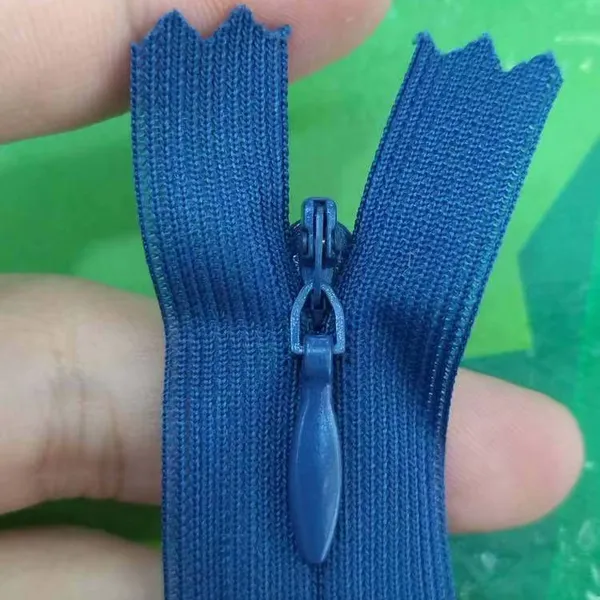 Read More
-
Zipper Tape and Teeth Materials: What Each Layer Is Made Of
October 29, 2026A zipper is built from 4 material layers that are chosen together: the woven tape, the teeth, the sewing thread and the coating ap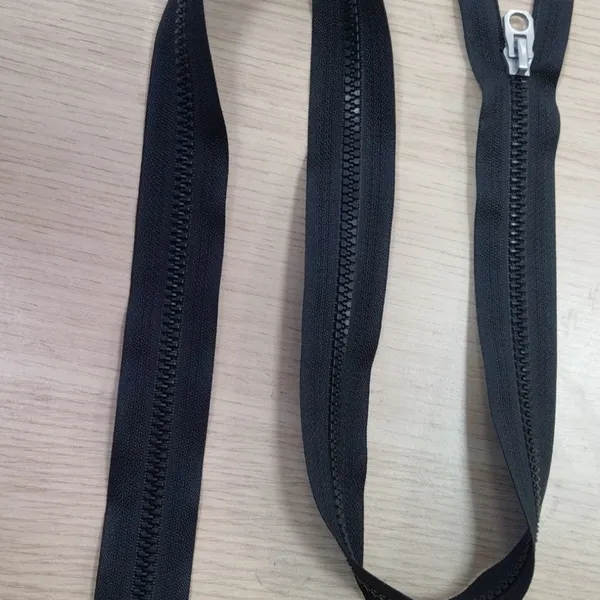 Read More
-
Metal Zipper Manufacturing: Wire Forming, Teeth Stamping and Assembly
October 29, 2026Metal zipper manufacturing turns a coil of brass or aluminium wire into a finished chain in 4 main stages. The wire is formed into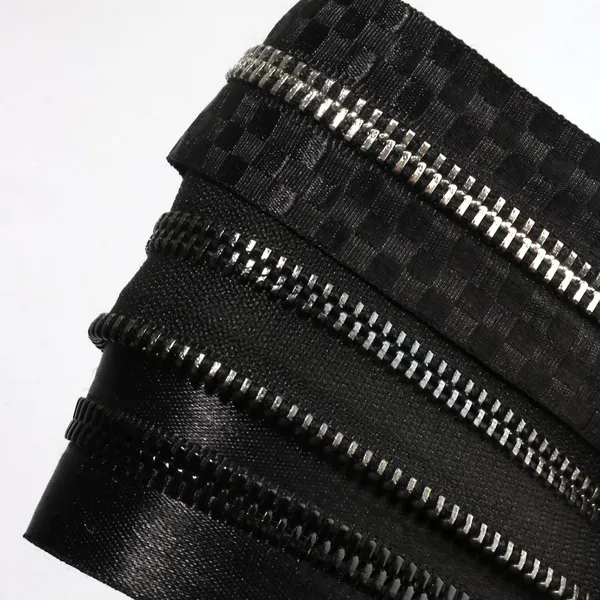 Read More
-
Zipper Strength Testing: Pull Apart, Holding and Slider Lock Tests
October 28, 2026A zipper strength test measures how much load a chain can take before it separates, and how well a slider holds that chain closed.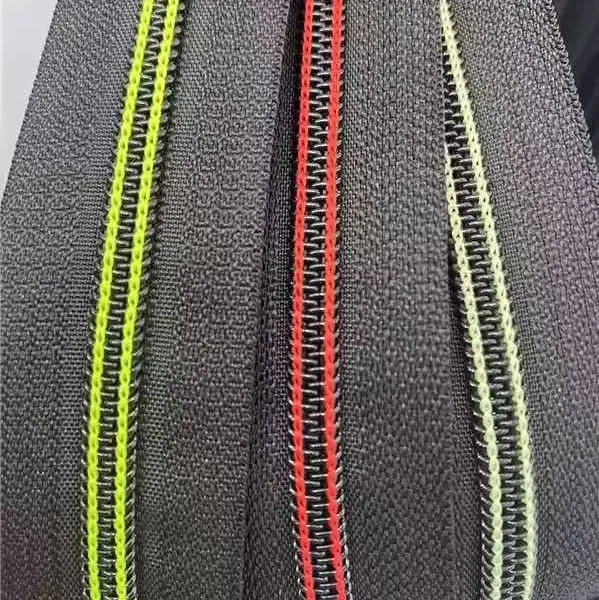 Read More

Contact Us
Recommended Products
-
 Clothing Accessories Lead Free Brass Metal Ring Prong Snap Button With 4 Parts for Infant Baby Clothes Baby BibsUS$ 0.01 - 0.03MOQ: 5000 Sets
-
Brass Metal Stainless Steel Material Ring Prong Snap Button With 4 Parts Lead Free & Nickel Free for Infant Baby Clothes Baby Bibs Baby SuitsUS$ 0.01 - 0.03MOQ: 5000 Sets
-
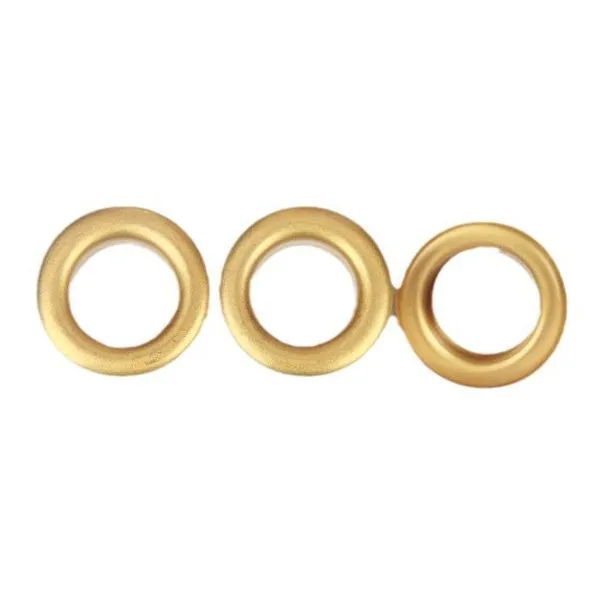
Metal Grommets Eyelets Gold Eyelet for Bag Shoes and Garment AccessoriesUS$ 0.01 - 0.03MOQ: 5000 Sets
-
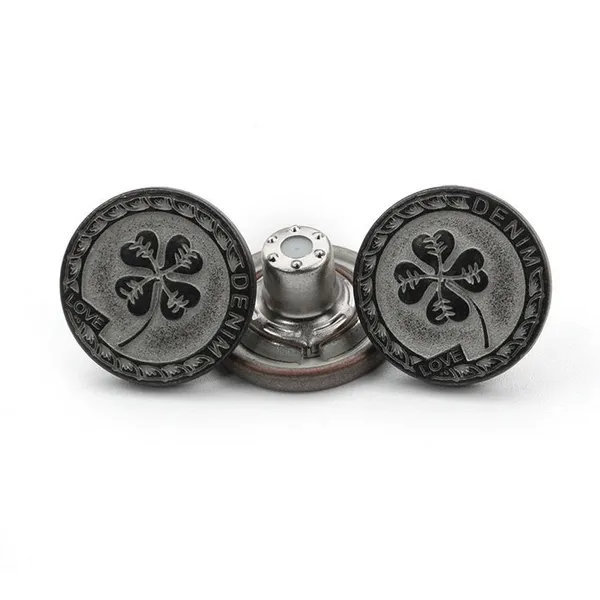
Cheap Price Custom Jeans Button Metal Custom Logo Metal Button for JeansUS$ 0.01 - 0.03MOQ: 5000 Sets
-
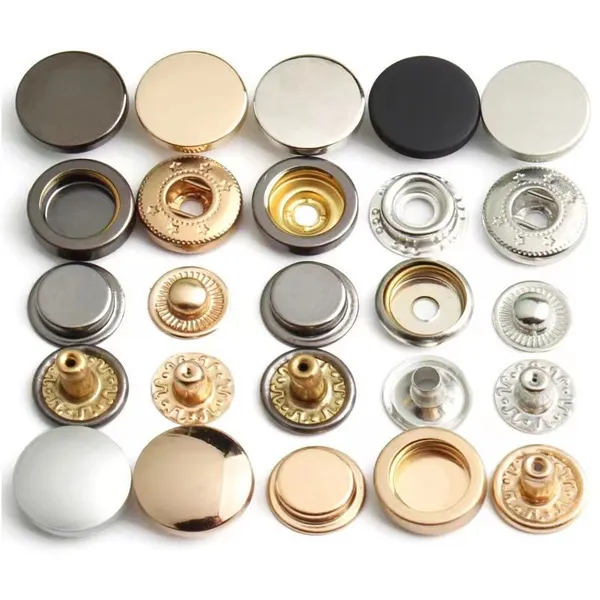
Factory Wholesale Hat Bag Clothing Press Snap Button Spring Snap Button Metal Snap ButtonsUS$ 0.03 - 0.06MOQ: 5000 Sets
-
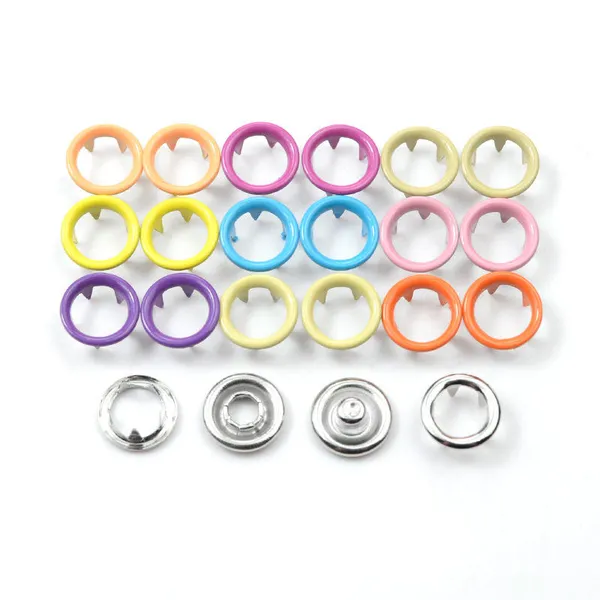
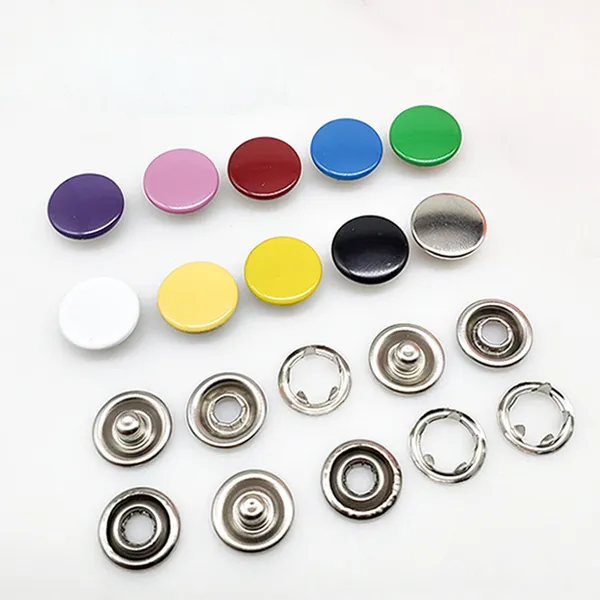
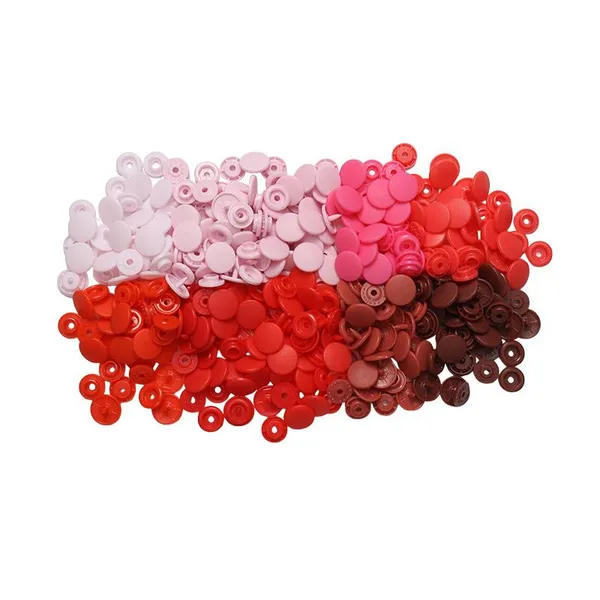
Wholesale Plastic Round Coloured Snaps Button Press Fasteners for Baby Bibs/ Baby GarmentsUS$ 0.01 - 0.03MOQ: 50000 Sets
-
Custom EngravedCopper I Brass Metal Jeans Button Denim Clothes Jacket for Jeans DenimUS$ 0.01 - 0.03MOQ: 5000 Sets
-
17mm Open Hole Shank Button With Aluminum Nail With Logo for Jeans Jacket PantsUS$ 0.01 - 0.03MOQ: 5000 Sets
-
Eco-friendly Custom Size Plastic Snaps Plastic Snap Button for Baby Clothes, Baby BibsUS$ 0.01 - 0.03MOQ: 50000 Sets
-
12mm 15mm 17mm 20mm Four Parts Metal Brass Fastener Press Snap Button for Clothes JacketUS$ 0.03 - 0.06MOQ: 5000 Sets
-
Custom Logo Personalized High Quality Metal Press Snap Fastener Snap Buttons for Clothing Garments JacketUS$ 0.03 - 0.06MOQ: 5000 Sets
-
Custom Printing Round Press Spring Four Part Snap Button for Clothing Leather 405#17mmUS$ 0.03 - 0.06MOQ: 5000 Sets
-
OEM Garment Accessories Custom Baby Snap Button Press Metal Prong Pearl Ring Snap ButtonUS$ 0.01 - 0.03MOQ: 5000 Sets
-
Factory Stock Buttons Stainless Steel or Brass Material Colors Pearl Snap Button Prong Pearl Snap Button for Shirts ClothingUS$ 0.01 - 0.03MOQ: 5000 Sets
-
Easy Installation 12.3mm Plastic Snap Button Custom Engraved Logo For Fabric Closure HardwareNegotiableMOQ: 50000 Pieces
-
Impact Resistant 1311 T5 Plastic Snap Fastener 12.3mm Factory OEM For Fabric Closure PartsNegotiableMOQ: 50000 Pieces
-
Factory Direct Wholesale Plastic Snap Button12.3mm POM for Bed Sheets and Duvet CoversNegotiableMOQ: 50000 Pieces
-
Square Plastic Snap Button 8.5mm for Baby Garments, Soft Edge Non-Scratch, Steam Disinfection SafeNegotiableMOQ: 50000 Pieces
-
Impact Resistant Square Snap Fastener 8.5x8.5mm Plastic POM for Outer Apparel and WorkwearNegotiableMOQ: 50000 Pieces
-
Matte Finish Reinforced Plastic Snap Fastener 1311 T5 12.3mm for Bags and LuggageNegotiableMOQ: 50000 Pieces