
 Business License
Blog Categories
Zipper Sizes Explained: What #3, #5, #8 and #10 Actually Mean
A zipper size number is the width of the closed chain measured across the teeth, written with a hash mark in front of it. A size 5 chain measures about 5 mm across the closed teeth, a size 8 about 8 mm, and a size 10 about 10 mm. The figure is a metric measurement rather than an arbitrary grade, and it is the first number a buyer writes on a specification.
This article sets out the zipper size numbers in common use, shows how to read a zipper gauge chart for metal chains, and explains how to measure a zipper on a sample so that a reorder matches what was approved.
1. What Zipper Size Numbers Mean
Zipper size numbers describe the closed width of the chain rather than its length or its strength. A number 3 chain is the lightest in common production, a number 5 sits in the middle of the range, and a number 8 or a number 10 is used where the chain has to take a heavy load. The number is printed on the tape edge or stamped on the slider in most cases.
The measurement is taken across the closed teeth with a calliper, from the outer face of one row to the outer face of the other. That is why the figure sits close to the number without being exactly equal to it. A size 5 chain is normally 4.8 to 5.2 mm across, and a tolerance of plus or minus 0.2 mm is written into the specification.
Two conventions have to be separated here. The metric figure is used in most of the world, while the older gauge system still appears in some catalogues. A buyer reading a zipper gauge chart from an unfamiliar source should check which column is which before the figure is copied onto an order. Difei Button (Guangzhou) Co Ltd quotes the metric figure first and lists the equivalent gauge as a note.
2. The Zipper Gauge Chart in Millimetres
A zipper gauge chart converts the size number into the dimensions a factory works to. The chart records the closed chain width, the tape width, the tooth height and the pitch for each size, and it is the document a technician checks before a run. Asking for the chart rather than the number alone avoids a mismatched slider later.
| Size | Closed width | Tape width | Typical use |
|---|---|---|---|
| #3 | 3 mm | 12 to 14 mm | Light trousers, pockets |
| #5 | 5 mm | 20 to 25 mm | Jackets, denim, soft bags |
| #8 | 8 mm | 30 to 33 mm | Heavy bags, luggage |
| #10 | 10 mm | 35 to 40 mm | Marine and industrial trim |
A chart read this way answers the question a designer actually has, which is whether a chosen chain will fit an existing seam allowance and a chosen slider. The size number alone does not carry the tape width, and the tape width is what decides whether a zip fits a given panel.
3. How to Measure a Zipper Before Ordering
How to measure a zipper depends on whether the question is the size number or the finished length. The size number is taken across the closed teeth with a calliper. The length is taken from the top stop to the bottom stop along the closed chain, with the slider parked at the bottom of the run. The two figures are separate and are quoted separately, and a buyer who records both on one line of the specification avoids the most common ordering error.
The length is usually the more expensive mistake. A chain cut 10 mm short cannot be extended, and a chain 10 mm long changes the opening on the garment. A buyer who measures the old zip before ordering a replacement avoids both, and the measurement takes about a minute.
A third figure is the tape width, which is read with a rule across the flat band and not across the bead. A tape listed at 25 mm includes the bead, so the visible band on the garment is slightly narrower. That difference shows up when a replacement is fitted to an existing seam. Learning how to measure a zipper properly means recording all three figures rather than the number on its own.
4. Zipper Size Numbers and Chain Pitch
Zipper size numbers also set the pitch, which is the distance from one tooth centre to the next. A size 5 metal chain runs at roughly 4.5 mm pitch, a size 8 at about 6.5 mm, and a size 10 at about 8 mm. Pitch matters because it decides how many teeth sit across a given opening and how the chain feels in the hand.
A metal chain carries a coarser pitch than a coil of the same size number, which is one reason the two are not interchangeable. A size 5 coil runs at about 3.5 mm pitch against 4.5 mm on the metal chain, so the same opening takes fewer metal teeth. That difference is visible when the two are laid side by side.
The pitch is quoted beside the size number on a proper specification. A supplier given the size number alone may quote a chain that closes correctly but sits differently on the garment. Writing both figures removes the doubt, and it costs nothing at the enquiry stage.
5. Reading a Zipper Gauge Chart for Metal Chains
Reading a zipper gauge chart for a metal chain needs one extra column, which is the tooth material. Brass, aluminium and nickel teeth of the same size number differ in weight and in finish, and a chart that ignores the material is just half useful. The size and the pitch are shared, but the weight is not.
A brass chain in size 5 is roughly 30 percent heavier than the aluminium one at the same length, which matters on a light garment. The chart should therefore carry a weight figure per metre as well as the dimensions, and a buyer comparing two suppliers can put the two charts side by side.
The finish column is the second addition. An antique brass finish and a bright nickel finish of the same size number read very differently on a finished garment, and the chart is the place to record which was approved. Difei keeps the approved finish swatch with the chart so a repeat order is checked against the same reference.
6. How to Measure a Zipper at Three Points
How to measure a zipper at the bench takes three readings, and each one catches a different fault. The first is the closed width across the teeth, which confirms the size number. The second is the finished length from stop to stop, which confirms the cut. The third is the tape width across the flat band, which confirms the panel fit.
A fourth reading is useful on a metal chain, which is the tooth height above the tape. A tooth that stands proud of the tape by more than about 1.5 mm on a size 5 chain will catch on a tight seam. The figure is small, but it decides whether the zip runs freely on a finished garment.
All four readings are recorded on the retained sample. When a repeat order arrives a year later, the four figures settle whether the new batch matches the approved one without an argument. That record is worth more than any single test at the bench, and Difei attaches it to the size record for the part.
7. Choosing Zipper Size Numbers for Common Garments
Zipper size numbers are chosen by the load the chain has to carry rather than by the price alone. A trouser fly and a pocket take a size 3. A jacket front, a denim fly and a soft bag take a size 5. A travel bag, a backpack and a piece of luggage take a size 8 or a size 10.
The choice is also a question of appearance. A size 5 chain on a light blouse looks heavy, and a size 3 chain on a denim fly will not survive the wear. Matching the number to the fabric weight is the practical rule, and the fabric weight is quoted in grams per square metre on the specification.
The third consideration is the slider that pairs with the chain. A larger chain takes a larger slider, and a larger slider needs a longer puller to be usable with a gloved hand. The three figures move together, which is why they belong on one line of the specification. Difei quotes the chain and the slider as a matched pair so the two are never ordered apart.
8. Zipper Size Numbers and Slider Match
Zipper size numbers decide which slider fits, and the fit is not adjustable at the machine. A size 5 slider on a size 5 chain closes cleanly, while a size 5 slider on a size 8 chain will not span the teeth. The number on the slider and the number on the chain have to agree.
The channel depth is the second factor. A metal chain needs a slightly deeper channel than a coil of the same size number, because the tooth is a solid block rather than a flexible loop. Fitting the wrong slider to a metal chain will close a few centimetres and then split open under load.
The third factor is the locking pawl. A slider with a positive pawl on a metal chain should resist a pull of 40 to 60 newtons without creeping open, and the figure is checked on the assembled part. Difei Button checks the slider and the chain as a set before a run is released, and Difei records the matched pair with the size number so a replacement is straightforward.
9. Frequently Asked Questions
9.1 What do zipper size numbers actually measure?
Zipper size numbers measure the closed width of the chain across the teeth, expressed in millimetres. A number 5 chain is about 5 mm across when the teeth are closed, a number 8 is about 8 mm, and a number 10 is about 10 mm. The figure is a metric dimension rather than an arbitrary grade, and it is taken with a calliper from the outer face of one row of teeth to the outer face of the other. Tolerance on the figure is normally plus or minus 0.2 mm.
9.2 How do you read a zipper gauge chart?
A zipper gauge chart is read column by column, with the size number in the first column and the dimensions beside it. The chart should carry the closed chain width, the tape width, the tooth height and the pitch for each size, and it should add a weight figure per metre for a metal chain. A chart that lists the size number alone is not enough, because the tape width is what decides whether the zip fits an existing seam. The useful habit is to copy the four figures onto the specification rather than trust the number.
9.3 How do you measure a zipper for a replacement?
How to measure a zipper for a replacement starts with the closed chain width, which is taken across the teeth with a calliper to confirm the size number. The finished length is then taken from the top stop to the bottom stop along the closed chain, with the slider parked at the bottom of the run. The tape width is read with a rule across the flat band rather than across the bead. A fourth figure, the tooth height above the tape, is useful on a metal chain because a proud tooth can catch on a tight seam.
9.4 Which zipper size is right for a jacket or a bag?
The right zipper size follows the load the chain has to carry. A trouser fly and a pocket take a size 3, while a jacket front, a denim fly and a soft bag take a size 5. A travel bag, a backpack or a piece of luggage takes a size 8 or a size 10. The number should also match the fabric weight, because a size 5 chain on a light blouse looks heavy and a size 3 chain on a denim fly will not last, and the chain and the slider are then quoted as a matched pair.
Recently Posted
-
Nylon Zipper Variants: Coil, Invisible and Water-Repellent Tapes
October 29, 2026Almost every zip sold as a nylon zip is built on the same coil chain, and the differences between products sit in the tape rather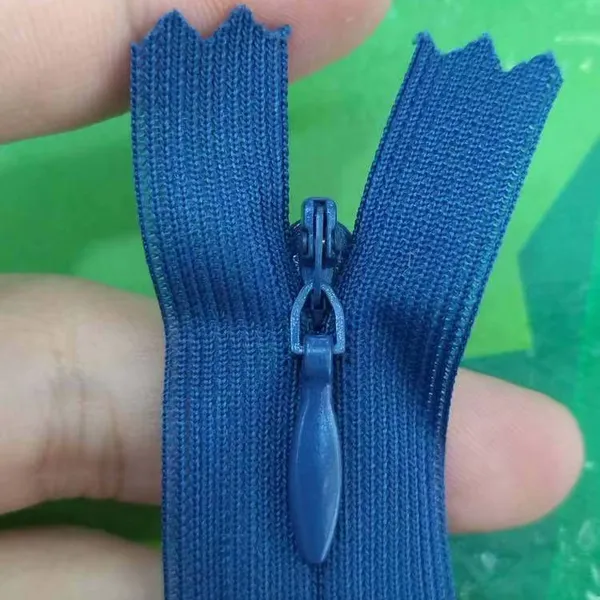 Read More
-
Zipper Tape and Teeth Materials: What Each Layer Is Made Of
October 29, 2026A zipper is built from 4 material layers that are chosen together: the woven tape, the teeth, the sewing thread and the coating ap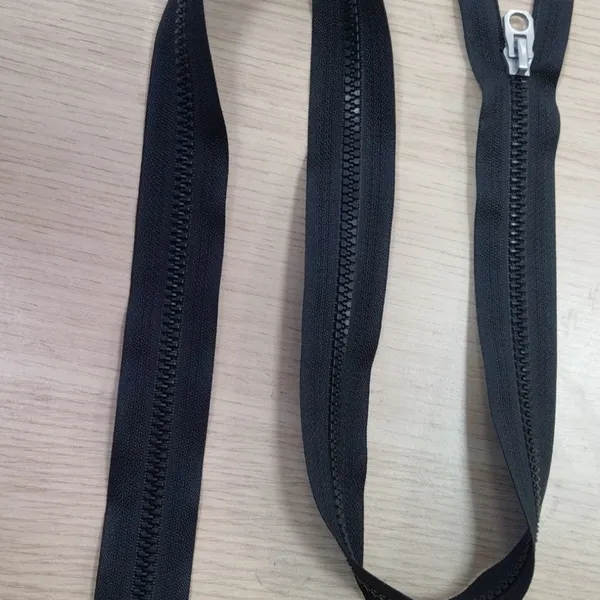 Read More
-
Metal Zipper Manufacturing: Wire Forming, Teeth Stamping and Assembly
October 29, 2026Metal zipper manufacturing turns a coil of brass or aluminium wire into a finished chain in 4 main stages. The wire is formed into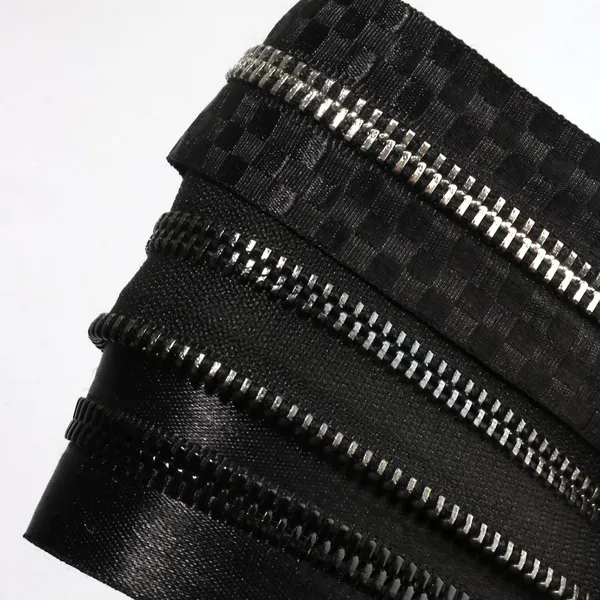 Read More
-
Zipper Strength Testing: Pull Apart, Holding and Slider Lock Tests
October 28, 2026A zipper strength test measures how much load a chain can take before it separates, and how well a slider holds that chain closed.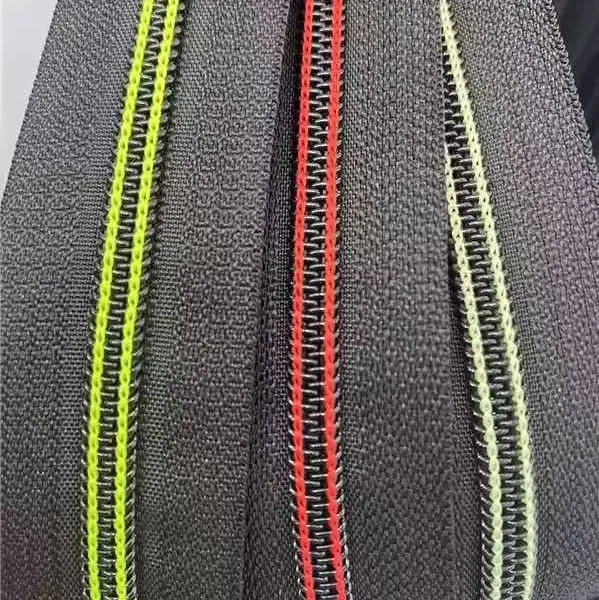 Read More

Contact Us
Recommended Products
-
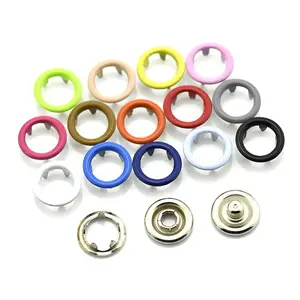
 Clothing Accessories Lead Free Brass Metal Ring Prong Snap Button With 4 Parts for Infant Baby Clothes Baby BibsUS$ 0.01 - 0.03MOQ: 5000 Sets
-
Brass Metal Stainless Steel Material Ring Prong Snap Button With 4 Parts Lead Free & Nickel Free for Infant Baby Clothes Baby Bibs Baby SuitsUS$ 0.01 - 0.03MOQ: 5000 Sets
-
Metal Grommets Eyelets Gold Eyelet for Bag Shoes and Garment AccessoriesUS$ 0.01 - 0.03MOQ: 5000 Sets
-
Cheap Price Custom Jeans Button Metal Custom Logo Metal Button for JeansUS$ 0.01 - 0.03MOQ: 5000 Sets
-
Factory Wholesale Hat Bag Clothing Press Snap Button Spring Snap Button Metal Snap ButtonsUS$ 0.03 - 0.06MOQ: 5000 Sets
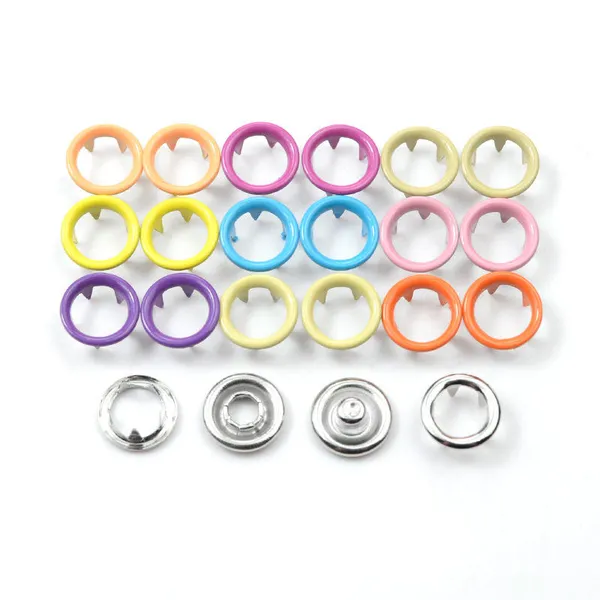
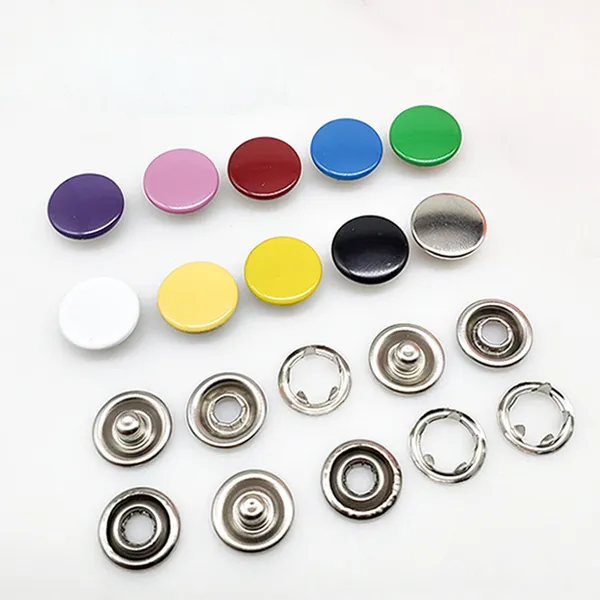
-
Wholesale Plastic Round Coloured Snaps Button Press Fasteners for Baby Bibs/ Baby GarmentsUS$ 0.01 - 0.03MOQ: 50000 Sets
-
Custom EngravedCopper I Brass Metal Jeans Button Denim Clothes Jacket for Jeans DenimUS$ 0.01 - 0.03MOQ: 5000 Sets
-
17mm Open Hole Shank Button With Aluminum Nail With Logo for Jeans Jacket PantsUS$ 0.01 - 0.03MOQ: 5000 Sets
-
Eco-friendly Custom Size Plastic Snaps Plastic Snap Button for Baby Clothes, Baby BibsUS$ 0.01 - 0.03MOQ: 50000 Sets
-
12mm 15mm 17mm 20mm Four Parts Metal Brass Fastener Press Snap Button for Clothes JacketUS$ 0.03 - 0.06MOQ: 5000 Sets
-
Custom Logo Personalized High Quality Metal Press Snap Fastener Snap Buttons for Clothing Garments JacketUS$ 0.03 - 0.06MOQ: 5000 Sets
-
Custom Printing Round Press Spring Four Part Snap Button for Clothing Leather 405#17mmUS$ 0.03 - 0.06MOQ: 5000 Sets
-
OEM Garment Accessories Custom Baby Snap Button Press Metal Prong Pearl Ring Snap ButtonUS$ 0.01 - 0.03MOQ: 5000 Sets
-
Factory Stock Buttons Stainless Steel or Brass Material Colors Pearl Snap Button Prong Pearl Snap Button for Shirts ClothingUS$ 0.01 - 0.03MOQ: 5000 Sets
-
Easy Installation 12.3mm Plastic Snap Button Custom Engraved Logo For Fabric Closure HardwareNegotiableMOQ: 50000 Pieces
-
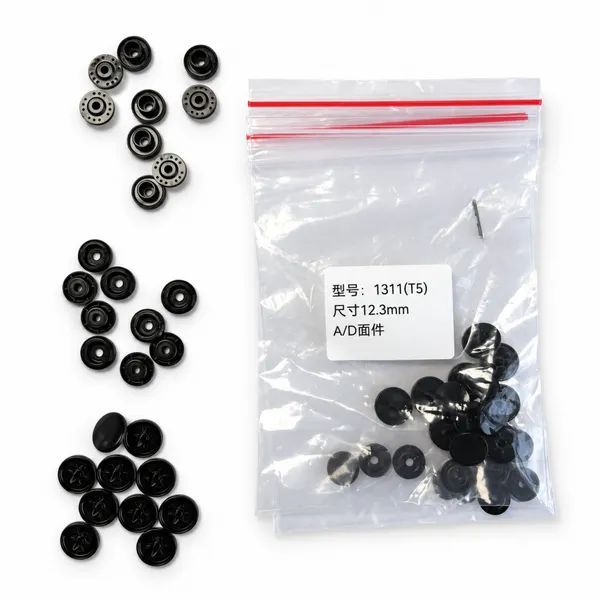
Impact Resistant 1311 T5 Plastic Snap Fastener 12.3mm Factory OEM For Fabric Closure PartsNegotiableMOQ: 50000 Pieces
-
Factory Direct Wholesale Plastic Snap Button12.3mm POM for Bed Sheets and Duvet CoversNegotiableMOQ: 50000 Pieces
-
Square Plastic Snap Button 8.5mm for Baby Garments, Soft Edge Non-Scratch, Steam Disinfection SafeNegotiableMOQ: 50000 Pieces
-
Impact Resistant Square Snap Fastener 8.5x8.5mm Plastic POM for Outer Apparel and WorkwearNegotiableMOQ: 50000 Pieces
-
Matte Finish Reinforced Plastic Snap Fastener 1311 T5 12.3mm for Bags and LuggageNegotiableMOQ: 50000 Pieces