
 Business License
Blog Categories
Zipper Anatomy: Slider, Puller, Top Stop and Bottom Stop
A zipper is a chain of interlocking elements held in a tape and driven by one moving part, and each of those parts carries a name. A zipper parts diagram labels the 4 components a buyer is asked about most often: the slider, the puller, the top stop and the bottom stop. Reading that drawing once saves a good deal of back and forth later, because a replacement is then ordered by part name rather than by a description of where it sits.
This article walks through the anatomy of a nylon coil zipper, sets out the main zipper stop types, and explains how the slider and puller work as a pair. It closes with the checks a buyer makes against a zipper parts diagram before a repeat order is placed.
1. What a Zipper Parts Diagram Shows
A zipper parts diagram names each element on the chain, from the top stop at one end down to the bottom stop at the other. On a nylon coil it shows the spiral tooth, the cord that runs inside the coil, the tape, the stitch line, the slider, the puller and the 2 stops. The drawing is scaled to the size number, so a size 5 component appears at size 5 proportions and a size 8 component at its own.
The value of the drawing is in the naming. A buyer who writes the small metal block at the top and a factory that reads top stop are describing the same part, yet the written name is the one that reaches the correct station on the line. Difei Button (Guangzhou) Co Ltd attaches a parts drawing to every size record, so a repeat order is quoted against the same numbered components.
A diagram also separates parts that look alike. A top stop and a bottom stop share a shape on some chains but sit at opposite ends and are fitted at 2 different stations. Marking which is which on the drawing removes the chance that the wrong part is loaded at the machine, and the marking takes a minute on the bench.
2. The Slider and Puller: Two Moving Parts
The slider and puller form the single assembly on a finished zipper that moves in service, which is why they take the wear. The slider carries a Y shaped channel that guides 2 rows of teeth into one closed line, and the puller hangs from the slider body so that a hand can drive it. Both parts are replaced as a pair in most repairs.
Slider size is fixed by the chain size number, and the 2 figures have to agree. A size 5 slider closes a size 5 chain cleanly, while the same slider on a size 8 chain will not span the teeth. The slider and puller are therefore ordered together rather than apart.
Channel width is the second check on the slider. A coil chain needs a shallower channel than a metal chain of the same number, because the coil tooth flexes where the metal tooth does not. A slider built for a metal chain will sit loose on a coil and split open under a steady pull of 40 to 60 newtons.
3. Zipper Stop Types: Top Stop and Bottom Stop
Zipper stop types divide into the stops that hold the chain closed and the stops that release it. A top stop is a small block crimped or moulded onto each tape above the teeth, so the slider cannot run off the top of the chain. A bottom stop is fitted at the opposite end and, on a separable zip, is replaced by a box and pin.
| Part | Function | Typical location |
|---|---|---|
| Slider | Merges the 2 rows of teeth | Runs along the chain |
| Puller | Takes the hand force | Hangs from the slider |
| Top stop | Keeps the slider on the chain | Above the teeth at each end |
| Bottom stop | Closes the chain end | Below the lowest tooth |
The common zipper stop types also include the bridge stop, which joins 2 chains on a two way zip so that neither slider travels past the centre. A metal chain normally takes a crimped metal stop, while a coil chain takes a moulded plastic stop or a stitched bar tack of about 6 stitches. The choice follows the chain material, because a crimped stop will crush a soft coil.
A missing top stop is the fault that shows first in a wear test, because the slider creeps past the end and the chain separates. A stop fitted too loosely will slide down the tape by 2 to 3 mm and jam the slider against the first tooth. Both faults are caught by pulling the slider hard against each stop on a sample before the order is released.
4. Reading a Zipper Parts Diagram for a Replacement
A zipper parts diagram is the document that makes a replacement order exact. The person ordering reads the size number, the chain type, the tape width, the slider finish, the puller shape and the stop type off the drawing, and quotes all 6. A zip that matches on the size number alone may still arrive with the wrong puller.
The puller is the component most often mismatched, because it carries the visible design. A long tab, a short tab, a 12 mm ring pull and a moulded logo tab sit on the same slider underneath, and the drawing records which one was approved. A buyer who keeps the approved sample beside the zipper parts diagram settles the question in a minute.
The stop type is the second frequent mismatch. A crimped metal stop on a coil that was originally fitted with a moulded stop will look right on the bench and fail in the wash. The zipper parts diagram prevents this, because the material of the stop is written beside its shape and its size.
5. Slider and Puller Options on a Nylon Coil
The slider and puller options on a nylon coil are wider than on a metal chain, because the coil tooth accepts both an auto lock and a non lock body. An auto lock slider carries a small pawl that drops between 2 teeth and holds the chain closed under load. A non lock slider runs freely and is used where the chain is held closed by a flap or a stud.
Coil chains also take a slider with a wider channel than a metal chain of the same number, and the gap measures about 0.3 mm. That allowance is what lets the coil compress as the slider passes. Fitting a metal chain slider to a coil is a common error on a reorder, and the chain will run tight and then skip teeth.
A longer puller is easier to grip and is the usual choice on a bag or a piece of luggage, while a shorter tab suits a garment where the zip is hidden. The slider and puller are matched to the end use rather than to the price. Difei quotes the pair as one line, so the 2 parts cannot be split on the order.
6. Zipper Stop Types and Chain Security
Zipper stop types decide how well a chain holds at the ends of its travel, which is where most zipper failures begin. A stop that grips the tape across its full width resists a pull of about 80 newtons without moving. A narrow stop that grips the bead alone will creep under the same load.
A top stop on a coil chain is normally moulded over the coil and the cord together, so it cannot be removed without cutting the chain. On a metal chain the stop is crimped and pressed on at the assembly station. The 2 methods give the same function but differ in how they are inspected.
The bottom stop matters more on a closed end zip, because it is the part the slider hits at the end of every closing stroke. A bridge stop takes the same duty on a two way chain, where 2 sliders meet at the centre of the run. Difei checks each stop type against a repeat sample, a 2 minute job that prevents a whole style from being returned.
7. How Stop Types Differ Across Chain Materials
Stop types differ across chain materials, because the material of the stop has to match the material of the chain. A crimped metal stop bites into a metal chain and holds, while the same stop crushes a coil and splits the tape. A moulded stop grips a coil because it flows around the spiral and sets.
On a resin chain with moulded teeth, the stop is moulded in the same cycle as the teeth, which is why its colour matches the teeth exactly. On a metal chain the stop is a separate part and is finished in the same plating as the teeth. A mismatch between the stop finish and the tooth finish is a visible fault on a garment, and it shows first at the slider.
The teeth themselves are drawn on the zipper parts diagram too, because tooth height decides whether the slider channel will clear a seam. A metal tooth stands about 1.5 mm proud of the tape on a size 5 chain, against about 1 mm on a coil. The difference is small, yet it decides whether the zip runs freely under a tight seam allowance.
8. Checking a Zipper Parts Diagram Before Ordering
A zipper parts diagram is checked line by line before an order is confirmed, and the check covers 6 figures. They are the size number, the chain type, the tape width, the slider finish, the puller shape and the stop type. A missing figure on any line is the cue to ask rather than to assume.
The puller and the slider are then confirmed as a pair against the approved sample, because a correct pair is what a customer sees when the garment is worn. Difei keeps the approved slider and puller with the parts drawing for the part number, so a repeat order is matched rather than re described.
The last check is the stop type against the way the zip is used. A jacket closed and opened many times a season needs a positive stop, while a decorative pocket zip of 3 mm teeth is less demanding. The answer is written on the drawing beside the stop, and the drawing travels with the order.
9. Frequently Asked Questions
9.1 What does a zipper parts diagram show?
A zipper parts diagram shows each element that makes up the chain, drawn to the scale of a given size number. On a coil zip it labels the spiral tooth, the cord inside the coil, the tape, the stitch line, the slider, the puller, the top stop and the bottom stop. The useful part of the drawing is that each element carries a name, so a replacement is ordered by part name rather than by a description of where it sits. Difei attaches the drawing to the size record for the part, so a repeat order on a size 5 chain is quoted against the same numbered components.
9.2 How do the slider and puller work together?
The slider and puller work together as a single assembly, with the slider doing the closing and the puller taking the hand force. The slider carries a Y shaped channel that merges 2 rows of teeth, and a locking pawl that drops between teeth when the tab is released. The puller hangs from the body on a hinge, so the angle of the pull stays low and the channel does not bind. Replacing one without the other is a common mistake, because the hinge and the pawl wear as a set.
9.3 What are the main zipper stop types?
The main zipper stop types are the top stop, the bottom stop and the bridge stop. A top stop is crimped or moulded above the teeth to keep the slider on the chain, and a bottom stop closes the other end or carries the box and pin on a separable zip. A bridge stop is used on a two way chain, where it joins the 2 runs at the centre so that neither slider passes the middle. The stop material follows the chain material, with crimped metal on a metal chain and a moulded stop of about 3 mm height on a coil.
9.4 How do you read a zipper parts diagram for a replacement?
The quick way to read a zipper parts diagram for a replacement is to work down the numbered list on the drawing rather than to describe the old zip from memory. Read the size number first, then the chain type, the tape width, the slider finish and the puller shape. Add the stop type, because a crimped stop and a moulded stop look alike on the bench and behave differently in the wash. 5 or 6 figures settle the order, and keeping the old zip beside the drawing makes the comparison immediate.
Recently Posted
-
Nylon Zipper Variants: Coil, Invisible and Water-Repellent Tapes
October 29, 2026Almost every zip sold as a nylon zip is built on the same coil chain, and the differences between products sit in the tape rather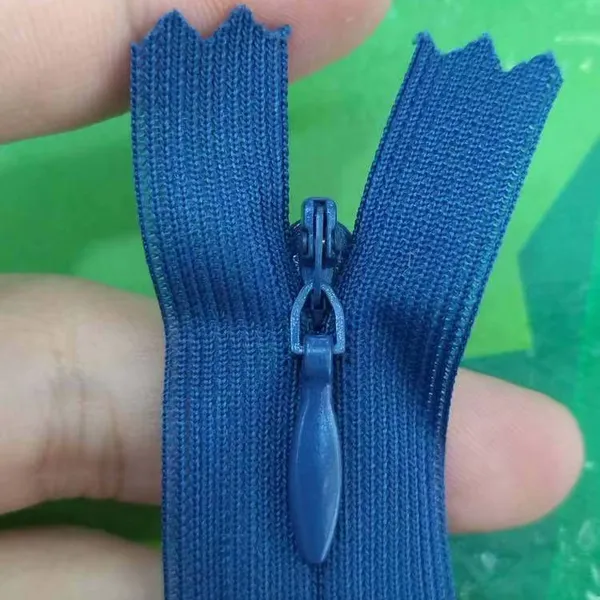 Read More
-
Zipper Tape and Teeth Materials: What Each Layer Is Made Of
October 29, 2026A zipper is built from 4 material layers that are chosen together: the woven tape, the teeth, the sewing thread and the coating ap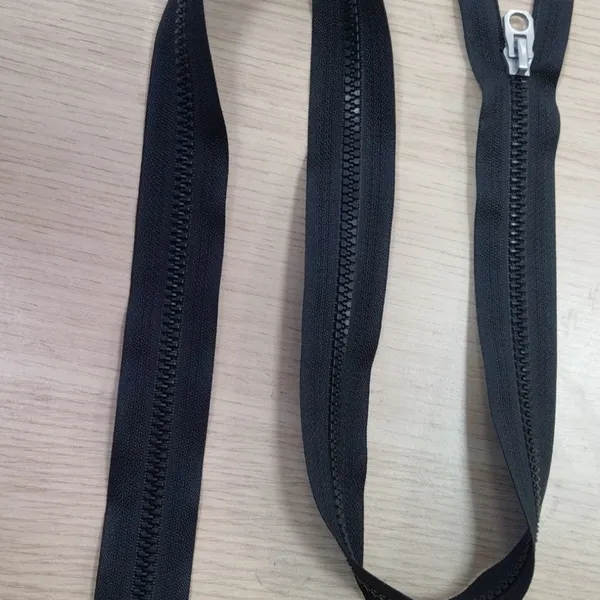 Read More
-
Metal Zipper Manufacturing: Wire Forming, Teeth Stamping and Assembly
October 29, 2026Metal zipper manufacturing turns a coil of brass or aluminium wire into a finished chain in 4 main stages. The wire is formed into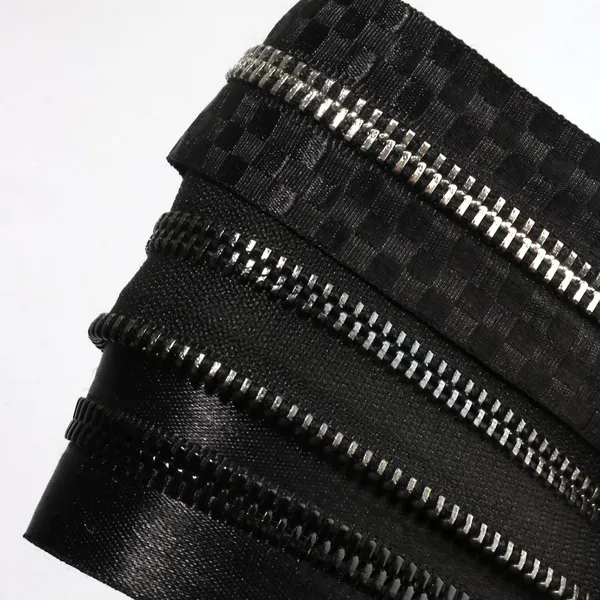 Read More
-
Zipper Strength Testing: Pull Apart, Holding and Slider Lock Tests
October 28, 2026A zipper strength test measures how much load a chain can take before it separates, and how well a slider holds that chain closed.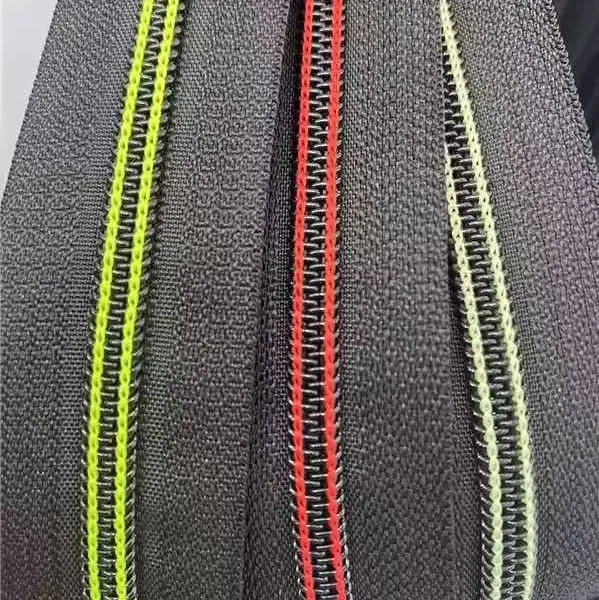 Read More

Contact Us
Recommended Products
-
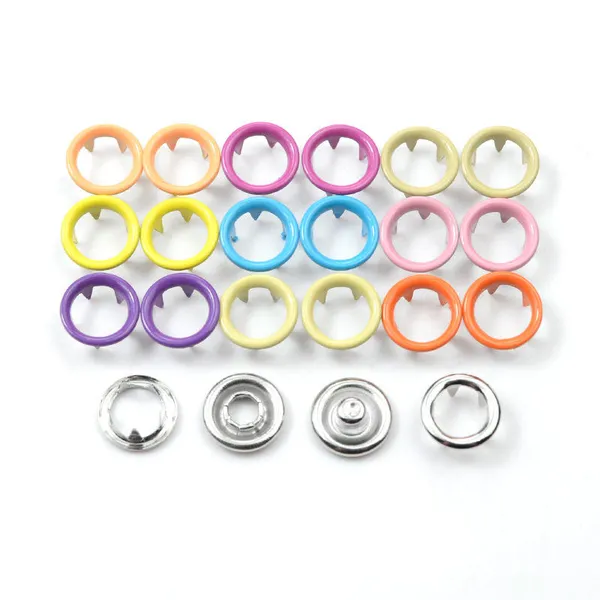
 Clothing Accessories Lead Free Brass Metal Ring Prong Snap Button With 4 Parts for Infant Baby Clothes Baby BibsUS$ 0.01 - 0.03MOQ: 5000 Sets
-
Brass Metal Stainless Steel Material Ring Prong Snap Button With 4 Parts Lead Free & Nickel Free for Infant Baby Clothes Baby Bibs Baby SuitsUS$ 0.01 - 0.03MOQ: 5000 Sets
-
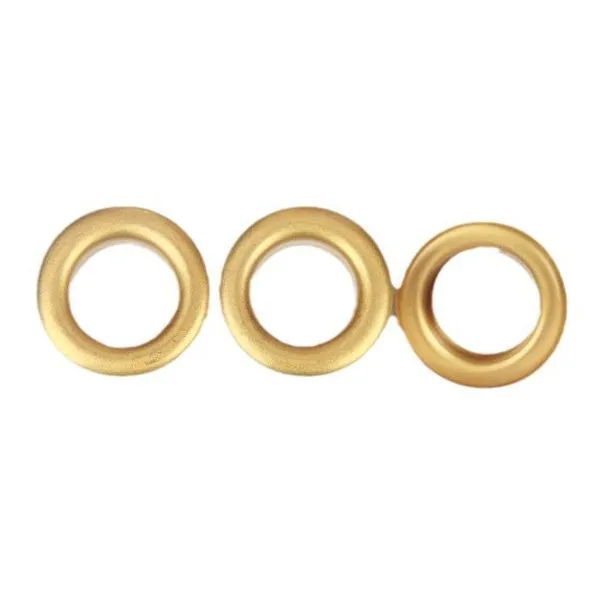
Metal Grommets Eyelets Gold Eyelet for Bag Shoes and Garment AccessoriesUS$ 0.01 - 0.03MOQ: 5000 Sets
-
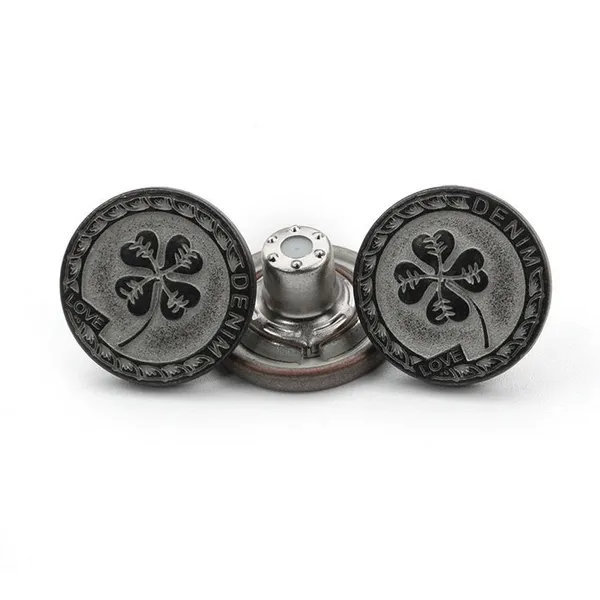
Cheap Price Custom Jeans Button Metal Custom Logo Metal Button for JeansUS$ 0.01 - 0.03MOQ: 5000 Sets
-
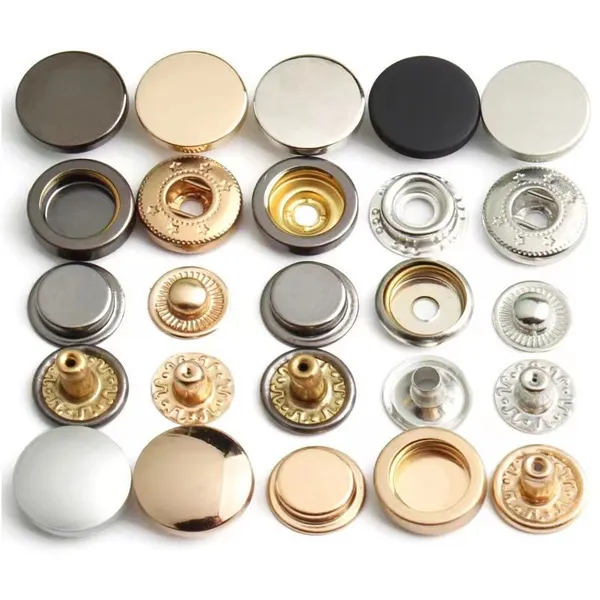
Factory Wholesale Hat Bag Clothing Press Snap Button Spring Snap Button Metal Snap ButtonsUS$ 0.03 - 0.06MOQ: 5000 Sets
-
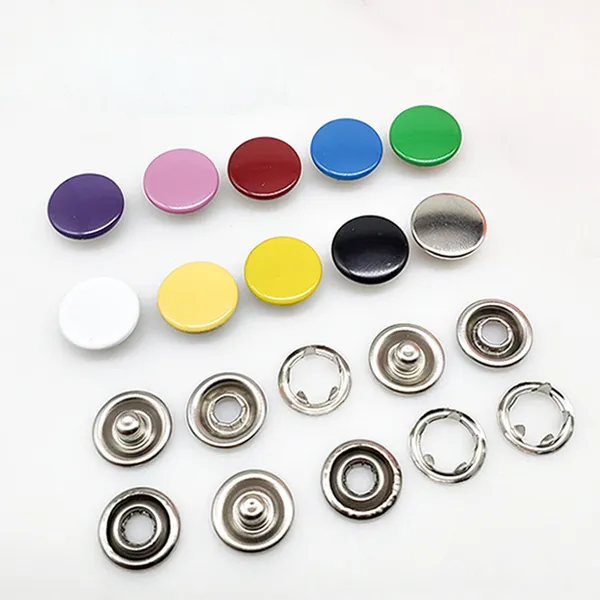
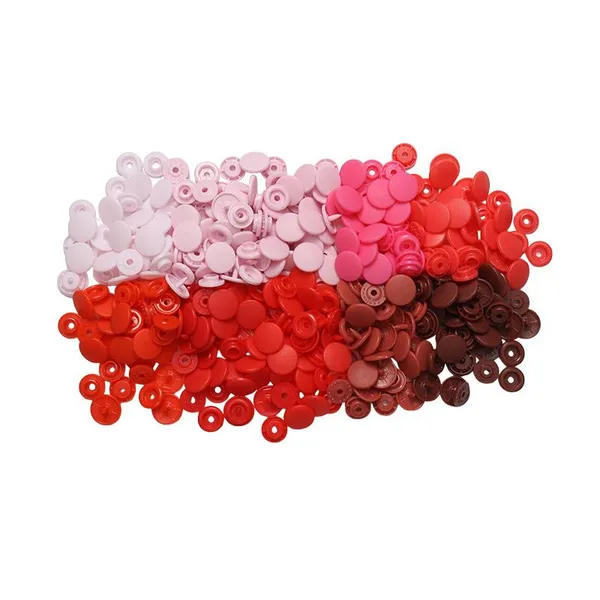
Wholesale Plastic Round Coloured Snaps Button Press Fasteners for Baby Bibs/ Baby GarmentsUS$ 0.01 - 0.03MOQ: 50000 Sets
-
Custom EngravedCopper I Brass Metal Jeans Button Denim Clothes Jacket for Jeans DenimUS$ 0.01 - 0.03MOQ: 5000 Sets
-
17mm Open Hole Shank Button With Aluminum Nail With Logo for Jeans Jacket PantsUS$ 0.01 - 0.03MOQ: 5000 Sets
-
Eco-friendly Custom Size Plastic Snaps Plastic Snap Button for Baby Clothes, Baby BibsUS$ 0.01 - 0.03MOQ: 50000 Sets
-
12mm 15mm 17mm 20mm Four Parts Metal Brass Fastener Press Snap Button for Clothes JacketUS$ 0.03 - 0.06MOQ: 5000 Sets
-
Custom Logo Personalized High Quality Metal Press Snap Fastener Snap Buttons for Clothing Garments JacketUS$ 0.03 - 0.06MOQ: 5000 Sets
-
Custom Printing Round Press Spring Four Part Snap Button for Clothing Leather 405#17mmUS$ 0.03 - 0.06MOQ: 5000 Sets
-
OEM Garment Accessories Custom Baby Snap Button Press Metal Prong Pearl Ring Snap ButtonUS$ 0.01 - 0.03MOQ: 5000 Sets
-
Factory Stock Buttons Stainless Steel or Brass Material Colors Pearl Snap Button Prong Pearl Snap Button for Shirts ClothingUS$ 0.01 - 0.03MOQ: 5000 Sets
-
Easy Installation 12.3mm Plastic Snap Button Custom Engraved Logo For Fabric Closure HardwareNegotiableMOQ: 50000 Pieces
-
Impact Resistant 1311 T5 Plastic Snap Fastener 12.3mm Factory OEM For Fabric Closure PartsNegotiableMOQ: 50000 Pieces
-
Factory Direct Wholesale Plastic Snap Button12.3mm POM for Bed Sheets and Duvet CoversNegotiableMOQ: 50000 Pieces
-
Square Plastic Snap Button 8.5mm for Baby Garments, Soft Edge Non-Scratch, Steam Disinfection SafeNegotiableMOQ: 50000 Pieces
-
Impact Resistant Square Snap Fastener 8.5x8.5mm Plastic POM for Outer Apparel and WorkwearNegotiableMOQ: 50000 Pieces
-
Matte Finish Reinforced Plastic Snap Fastener 1311 T5 12.3mm for Bags and LuggageNegotiableMOQ: 50000 Pieces