
 Business License
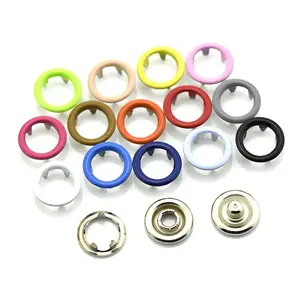
How to Read a Snap Button Quotation: Cost Structure Explained
Two quotations for the same snap button differ more often in what they include than in what they charge. A snap button price arriving at US$0.028 per piece from one supplier and US$0.041 from another is rarely a story about greed or efficiency. It is usually a story about tax status, plating thickness, packing level and whether the tooling was amortised into the unit rate or billed once.
This article breaks a quotation into the lines that make it up, explains which lines move with order size and which stay fixed, and sets out the button quotation terms a buyer should read before comparing figures. The aim is a like-for-like comparison rather than a lower headline number.
1. Why Two Quotations for the Same Snap Button Differ
The first cause is scope. One quotation may be quoted ex-works with tooling billed separately, while the other is quoted on a delivered basis with tooling amortised across the first order. The second cause is specification drift. A 0.08 mm nickel coating and a 0.15 mm coating are both correctly described as nickel plated, and the plating line is one of the larger variable costs in a metal closure.
The third cause is packing. A supplier quoting loose parts in a polybag and a supplier quoting sorted sets in printed boxes with barcodes are quoting different products, even when the closure itself is identical.
Comparing such quotations without normalising them is the single most common sourcing error in this category, and it tends to surface at the sample stage rather than at the quotation stage.
| Difference in scope | Effect on a snap button price |
|---|---|
| Tax included or excluded | Changes the figure by the local rate |
| Plating thickness specified | Moves the plating line materially |
| Tooling billed once or amortised | Shifts cost between first order and repeat |
| Packing level | Adds a fixed tail per carton |
| Incoterm | Moves freight and risk between parties |
2. The Seven Lines Behind a Snap Button Price
A workable quotation lists its structure rather than one number, because a buyer can then see which line to negotiate and which line explains a difference. Seven lines cover most metal closures, and a plastic closure replaces two of them with a different pair.
Material leads in a metal closure, followed by forming, surface finish, assembly, packing, tooling amortisation and the margin including tax. The order of magnitude varies with the metal, since a brass part carries a larger material share than a zinc alloy part of the same size.
| Cost line | What drives it | Moves with volume |
|---|---|---|
| Raw material | Metal weight or polymer grade | Yes, weakly |
| Forming or moulding | Machine time per thousand pieces | Yes, strongly |
| Surface finish | Plating type, thickness, barrel or rack | Yes, in batch terms |
| Assembly | Part count, whether automated | Yes, strongly |
| Packing and sorting | Level of presentation required | Yes, weakly |
| Tooling amortisation | Die cost spread over the order | Yes, inversely |
| Margin, overhead and tax | Commercial terms | No |
3. Material: Where the Largest Share of a Button Cost Breakdown Sits
In a metal closure the material line is the largest single item, and it tracks the metal market rather than the factory's own decisions. Brass and zinc alloy prices move with commodity markets, which is why a quotation carries a validity period. A supplier who quotes against an older metal price is either absorbing the difference or planning to revisit it.
In a plastic closure the material line is smaller and more stable, because POM and PBT granules move less sharply than metals. The material still decides the mechanical result, so a button cost breakdown that shows an unusually low plastic material line is worth questioning rather than welcoming.
Weight drives the metal line, so a small change in wall thickness shows up directly in the price. That is why a quotation for a 12.5 mm closure and a quotation for a 13 mm closure can differ by more than the diameter change suggests.
4. Plating and Surface Finish in the Button Cost Breakdown
Plating is quoted in three parts, namely the coating type, the thickness in microns and the process, because barrel plating and rack plating carry different costs and deliver different uniformity. Barrel plating suits large volumes of small parts and costs less per piece, while rack plating gives a cleaner result on a visible face and costs more.
The salt spray requirement belongs on the same line, because a finish that must survive 24 hours and a finish that must survive 96 hours are not the same purchase. Where a buyer omits the figure, the supplier will normally quote the shorter test and the difference will appear as a corrosion claim later.
A practical habit is to ask for the plating specification in microns and the salt spray result on the finished part, and to treat a quotation that gives neither as incomplete rather than inexpensive. Difei Button (Guangzhou) Co Ltd states both figures on every metal quotation, because the coating rather than the alloy decides how the plated part behaves in humid storage.
5. Tooling, Setup and Amortisation in a Snap Button Price
Tooling is the line most often hidden. A die for a standard closure in an existing size may already exist, in which case no tooling charge applies. A new size, a new engraving or a custom profile needs a die, and the cost can be billed once as a separate item or spread across the unit price of the first order.
The two approaches lead to very different figures for the same project. A die amortised across a small first order can double the apparent unit rate while leaving later orders cheaper, which is why the unit price alone cannot be compared across those two quotations.
| Quotation style | First order unit rate | Repeat order unit rate |
|---|---|---|
| Tooling billed separately | Lower | Unchanged |
| Tooling amortised in first order | Higher | Drops after the first run |
| Tooling supplied by buyer | Lowest | Unchanged, buyer owns the die |
Ownership of the die deserves a line in the purchase order, because an amortised die is usually the factory's asset while a separately billed die is normally the buyer's.
6. Packaging, Sorting and Carton Costs in a Button Cost Breakdown
Packing is a fixed tail added per order and per carton, so it changes the total more than it changes the unit rate. Loose parts in a bag cost the least to prepare, while a sorted set, a printed box, a barcode label and an inner tray each add handling. Where a garment factory feeds an automatic setting machine, the closures must arrive oriented in a tray, and that orientation step is a real cost that has to be quoted.
Carton specification also enters here, since a heavier board and a printed carton change the shipping weight and the freight calculation that follows. Buyers who compare quotations without comparing packing levels will find the difference reappearing in the logistics bill.
7. Button Quotation Terms Buyers Read Too Late
Several button quotation terms decide the real cost and are easy to skim past. The Incoterm fixes where the supplier's responsibility ends and therefore which freight and insurance costs sit on the buyer. The validity period protects the supplier against metal price movement, and an expired quotation is a number that no longer holds.
The minimum order quantity sets the point at which the quoted rate applies, and a rate quoted for a hundred thousand pieces rarely survives a request for ten thousand. Tolerance, acceptable quality level and the sampling standard define what the buyer is entitled to reject, and they carry a cost that was priced into the quotation.
| Term | What it changes |
|---|---|
| Incoterm | Which freight and risk the buyer carries |
| Validity period | How long the metal price holds |
| Minimum order quantity | The volume at which the rate applies |
| Acceptable quality level | The defect rate the supplier priced for |
| Payment terms | The financing cost inside the rate |
8. Comparing Button Quotation Terms on a Like-for-Like Basis
A reliable comparison takes four steps, and each one removes a source of confusion. First, write the specification in full, including size, material, plating thickness, salt spray target and packing level, and send the same text to every supplier. Second, ask each supplier to quote on the same Incoterm and to state the tax position.
Third, request the cost structure rather than a single figure, which makes the differences visible instead of inferred. Fourth, convert every quotation to the same order quantity, because a rate at ten thousand pieces and a rate at a hundred thousand are not comparable numbers. Difei applies the same conversion to its own quotations so a buyer can see the effect of volume before committing to a figure.
A bag manufacturer ran exactly this exercise a while ago on a shoulder-closure order and found that the two quotations under review differed by roughly 30 per cent on the unit rate. Normalising them removed most of the gap, because one figure excluded tooling, packing and tax while the other included all three. The remaining difference sat in the plating line, where one quotation assumed 0.08 mm of nickel and the other assumed 0.15 mm against a humid market. Difei Button quoted both coating options against the same specification so the buyer could see what the thicker coating bought in salt spray hours, and the specification was settled on evidence rather than on the headline number.
A second buyer compared a plastic closure quotation and found the assumption of a fully automatic assembly line inside a rate that a manual line could not match. Difei Button flagged the mismatch at quotation stage rather than after sampling, which saved a rework round on the first production order.
9. Frequently Asked Questions
9.1 What should be included in a snap button price?
A complete snap button price states the material and weight, the plating type and thickness, the assembly method, the packing level, whether tooling is separate or amortised, the Incoterm, the tax position and the validity period. When those nine items are present, two quotations can be compared line by line instead of by headline figure. When they are missing, the lowest number is frequently the least comparable, because it excludes a cost that will appear later in the order. Requesting the full set of button quotation terms in writing costs one email and removes most of the ambiguity that follows a verbal order.
9.2 Why does a button cost breakdown matter if the unit rate looks acceptable?
A button cost breakdown shows which line responds to which decision, and that is what makes a negotiation productive. If the plating line carries a large share, then adjusting coating thickness or salt spray target changes the price more than pressing for a discount. If the assembly line dominates, then a design change that reduces part count is worth more than a volume commitment. A single figure gives a buyer nothing to work on, and it hides whether a difference comes from scope or from efficiency.
9.3 Which button quotation terms have the largest effect on the final cost?
The Incoterm and the tax position usually move the delivered cost the most, because they decide what is added on top of the ex-works figure. The validity period matters wherever metals are involved, since an expired rate reflects a metal price that has already changed. Minimum order quantity decides whether the quoted rate applies at all, and the acceptable quality level sets the inspection cost that sits inside the price. Reading those four terms before comparing numbers prevents most of the surprises seen at order confirmation.
9.4 How do I compare quotations when the specifications are not identical?
Rewrite the specification so that all suppliers are quoting the same item, then ask each one to confirm the plating thickness, packing level and Incoterm in writing. Where a supplier has quoted a different specification, ask for a second figure against the corrected text rather than adjusting the number yourself. Convert every quotation to the same order quantity and the same currency before ranking them. A comparison built this way takes an extra day at the quotation stage and prevents a claim that would take far longer to resolve.
Recently Posted
-
Snap Buttons for Knitwear and Lightweight Fabrics
September 24, 2026Choosing a knitwear snap button is a different exercise from specifying one for a woven shirt, because the material around the fix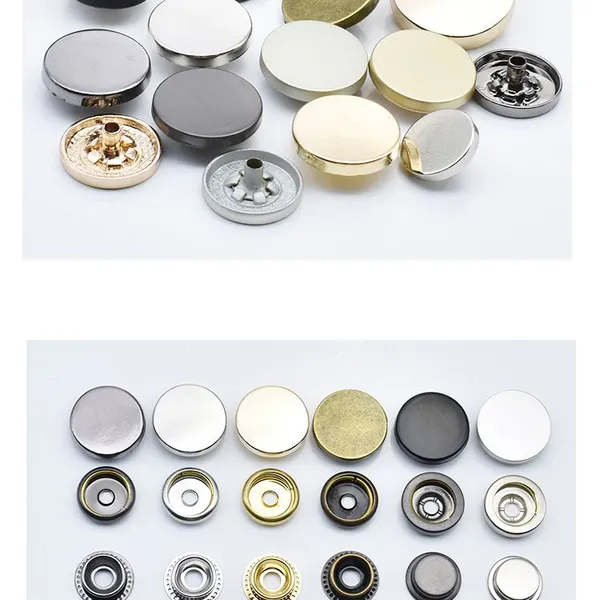 Read More
 -
Oeko-Tex Standard 100 and Button Compliance: What to Verify
September 24, 2026Compliance questions arrive late in most trim orders, usually after a garment buyer has been asked for a certificate that nobody o
Read More -
Packaging, Carton Configuration and Shipping Terms for Button Orders
September 24, 2026A button order is small in value and heavy in handling, which makes button packaging the part of the transaction that most often p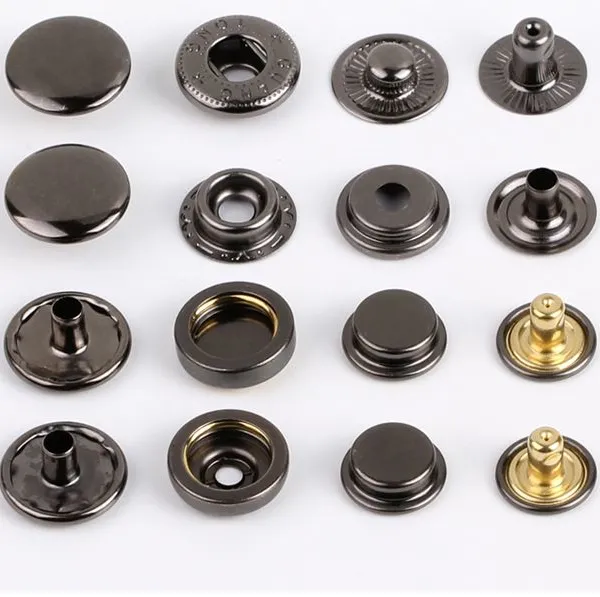 Read More
 -
Plating and Coating Options for Metal Snap Buttons
September 24, 2026Two orders can use identical brass underneath and behave completely differently after a year of wear, because the snap button surf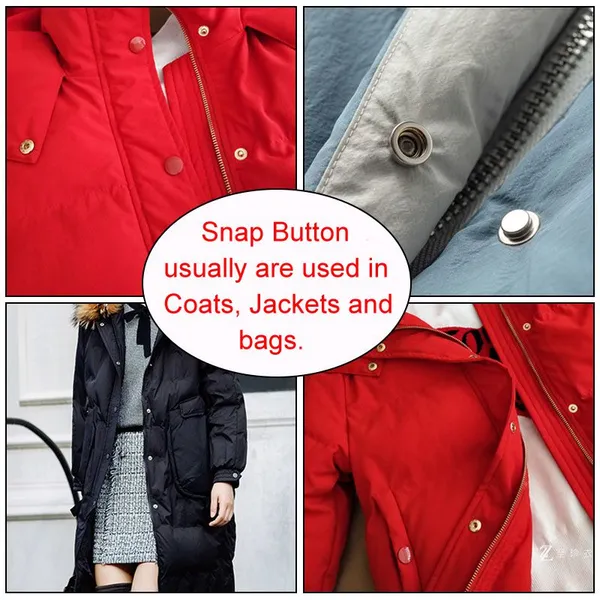 Read More

Contact Us
Recommended Products
-
 Clothing Accessories Lead Free Brass Metal Ring Prong Snap Button With 4 Parts for Infant Baby Clothes Baby BibsUS$ 0.01 - 0.03MOQ: 5000 Sets
 -
Brass Metal Stainless Steel Material Ring Prong Snap Button With 4 Parts Lead Free & Nickel Free for Infant Baby Clothes Baby Bibs Baby SuitsUS$ 0.01 - 0.03MOQ: 5000 Sets
-
Metal Grommets Eyelets Gold Eyelet for Bag Shoes and Garment AccessoriesUS$ 0.01 - 0.03MOQ: 5000 Sets
-
Cheap Price Custom Jeans Button Metal Custom Logo Metal Button for JeansUS$ 0.01 - 0.03MOQ: 5000 Sets
-
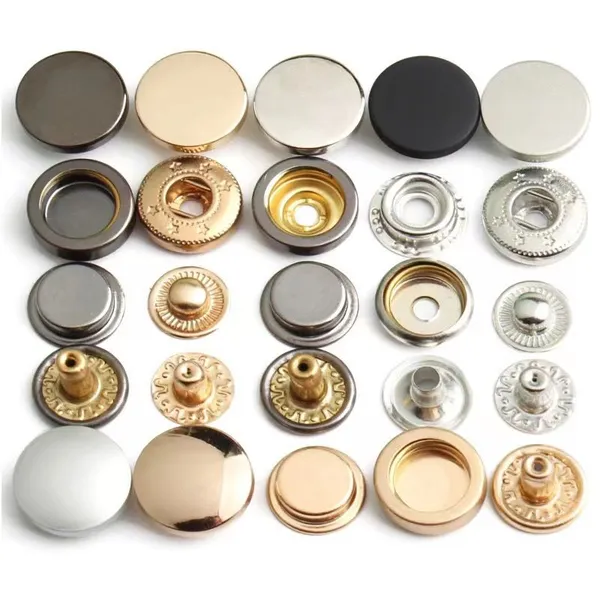
Factory Wholesale Hat Bag Clothing Press Snap Button Spring Snap Button Metal Snap ButtonsUS$ 0.03 - 0.06MOQ: 5000 Sets
-
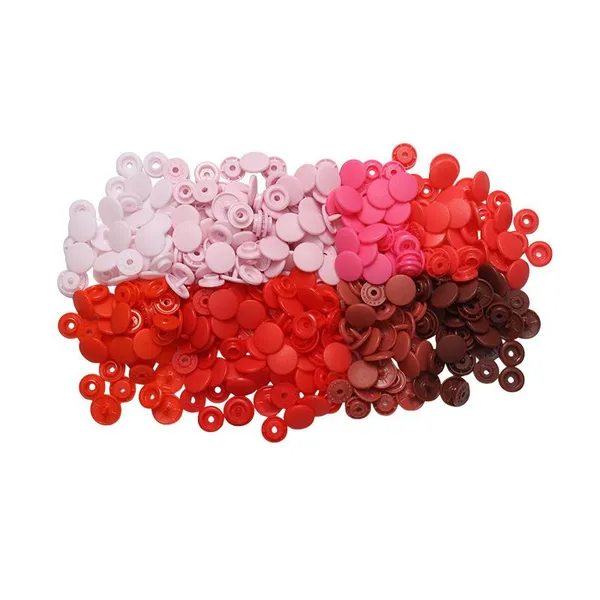
Wholesale Plastic Round Coloured Snaps Button Press Fasteners for Baby Bibs/ Baby GarmentsUS$ 0.01 - 0.03MOQ: 50000 Sets
-
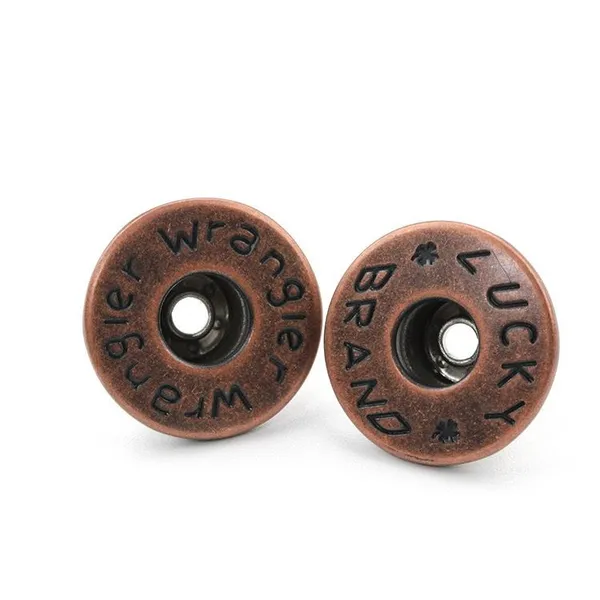
Custom EngravedCopper I Brass Metal Jeans Button Denim Clothes Jacket for Jeans DenimUS$ 0.01 - 0.03MOQ: 5000 Sets
-
17mm Open Hole Shank Button With Aluminum Nail With Logo for Jeans Jacket PantsUS$ 0.01 - 0.03MOQ: 5000 Sets
-
Eco-friendly Custom Size Plastic Snaps Plastic Snap Button for Baby Clothes, Baby BibsUS$ 0.01 - 0.03MOQ: 50000 Sets
-
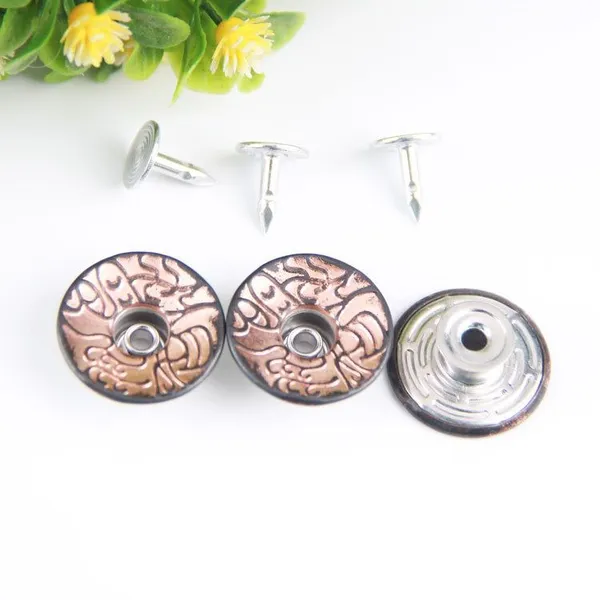
12mm 15mm 17mm 20mm Four Parts Metal Brass Fastener Press Snap Button for Clothes JacketUS$ 0.03 - 0.06MOQ: 5000 Sets
-
Custom Logo Personalized High Quality Metal Press Snap Fastener Snap Buttons for Clothing Garments JacketUS$ 0.03 - 0.06MOQ: 5000 Sets
-
Custom Printing Round Press Spring Four Part Snap Button for Clothing Leather 405#17mmUS$ 0.03 - 0.06MOQ: 5000 Sets
-
OEM Garment Accessories Custom Baby Snap Button Press Metal Prong Pearl Ring Snap ButtonUS$ 0.01 - 0.03MOQ: 5000 Sets
-
Factory Stock Buttons Stainless Steel or Brass Material Colors Pearl Snap Button Prong Pearl Snap Button for Shirts ClothingUS$ 0.01 - 0.03MOQ: 5000 Sets
-
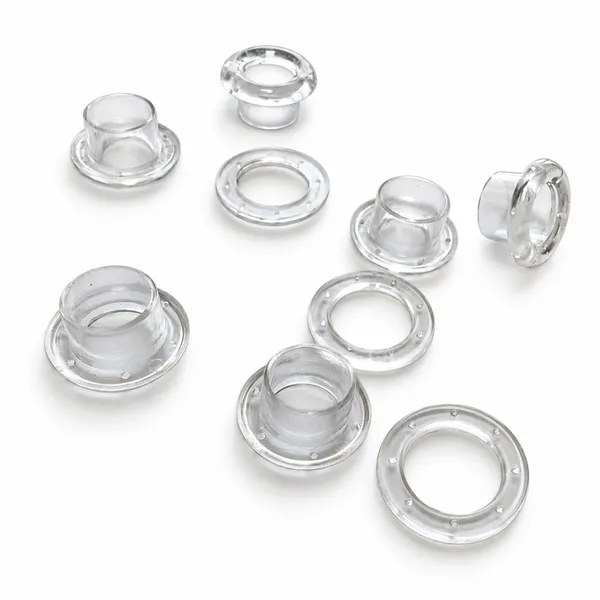
13.8mm x 7.5mm Plastic Grommet Kit for Apparel and Garment Lacing, Lightweight and FlexibleNegotiableMOQ: 5000 Sets
-
Clear Plastic Eyelet and Washer Set Two‑piece Fastener for Tote Bags Canvas and Fabric Hole Reinforcement ApplicationsNegotiableMOQ: 5000 Sets
-
13.8mm x 7.5mm Clear Plastic Eyelet and Washer Set Durable Two‑part Hardware for Fabric Reinforcement and Bag Making ApplicationsNegotiableMOQ: 5000 Sets
-
Two‑Piece Plastic Grommet and Washer Set 13.8mm x 7.5mm Clear Hardware for Banner Craft Works and Light‑weight Textile ProductionNegotiableMOQ: 5000 Sets
-
Clear Plastic Eyelet and Washer Set 13.8mm x 7.5mm for Tarps, Banners, and Awning Fabric ReinforcementNegotiableMOQ: 5000 Sets
-
Clear Plastic Eyelet and Washer Set Snap‑together Grommet Assembly Suited for Sewing Accessory and Finished Bag ManufacturingNegotiableMOQ: 5000 Sets